
Wolf Team was a multiplayer first-person shooter (FPS) game that offered a unique twist on the genre by allowing players to transform between human and werewolf forms. This ability significantly impacted gameplay, creating a dynamic and strategic experience unlike many other FPS titles. While the game is no longer available for download due to reasons that may include discontinuation, security issues, or other unforeseen circumstances, its innovative gameplay mechanics and diverse modes deserve a closer look.
Gameplay Mechanics: Human vs. Werewolf
Wolf Team’s core mechanic centered on the ability to switch between human and werewolf forms. This transformation wasn’t merely a cosmetic change; it fundamentally altered the player’s capabilities and combat strategy.
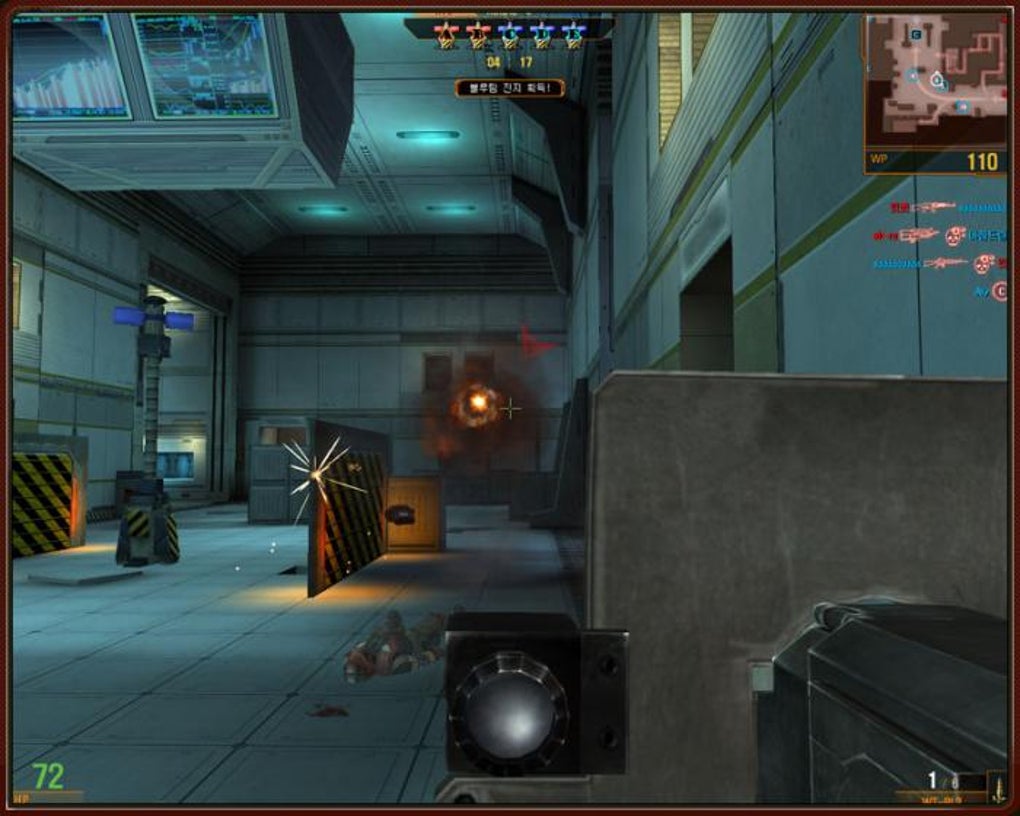
As a human, players had access to a wide array of weapons, making them effective at long-range combat. Sniping enemies from afar, utilizing tactical positioning with cover, and employing explosives were common human strategies. The diverse arsenal provided adaptability to various combat scenarios, making human characters versatile and effective in diverse team compositions. The ability to strategically utilize different weapons based on the situation, whether it was a close-quarters confrontation or a long-range engagement, was a critical element of successful gameplay.
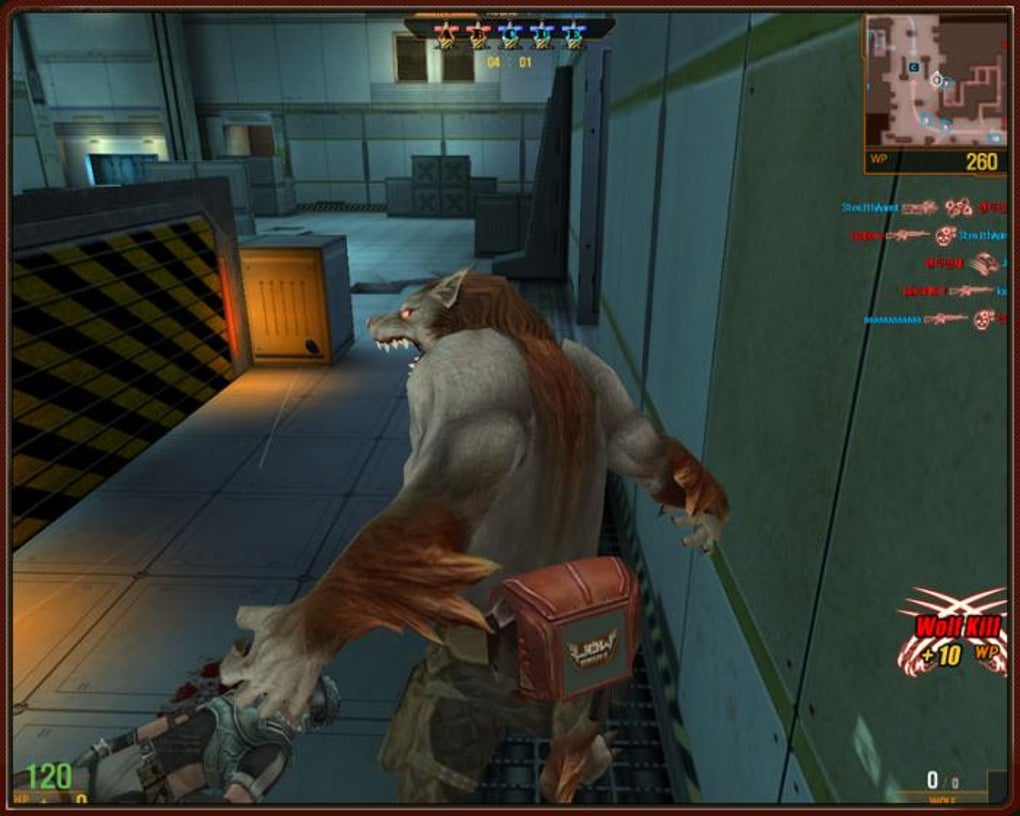
Conversely, werewolves excelled in close-quarters combat. Their enhanced strength and speed made them formidable in hand-to-hand engagements, although their shorter attack range required a more aggressive and tactical approach. Werewolves compensated for their limited ranged attack capabilities with superior melee combat prowess and increased mobility, making them a valuable asset in flanking maneuvers and disrupting enemy formations. The decision to transform depended entirely on the context of the battle—werewolves were ideal for rushing objectives or eliminating isolated opponents, while humans excelled in controlled, ranged firefights.
This dual-form system forced players to adapt their strategies and playstyles dynamically. The ability to seamlessly transition between the two forms, depending on the immediate needs of the battle and the available opportunities, was crucial to success. Successful players mastered the art of switching between forms, exploiting the advantages of each to maximize their effectiveness in various combat situations. This added layer of strategic depth set Wolf Team apart from its contemporaries.
Game Modes: Variety and Strategic Depth
Wolf Team offered a variety of game modes to keep the gameplay fresh and engaging. These modes encouraged different playstyles and strategic approaches, adding to the overall replayability of the game.
The classic Deathmatch mode was a free-for-all where players battled for supremacy, emphasizing individual skill and reaction time. This mode was a test of reflexes and individual combat prowess, rewarding players who could effectively manage both their human and werewolf forms to outmaneuver and eliminate opponents.
The Conquest mode introduced a team-based element, requiring cooperation and coordination to achieve victory. Teams competed to control strategic points on the map, rewarding tactical planning and communication. Successful conquest strategies often depended on a balanced mix of human and werewolf players, capitalizing on each form’s strengths. This mode emphasized teamwork and strategic positioning, creating a richer and more nuanced experience than the individualistic Deathmatch.
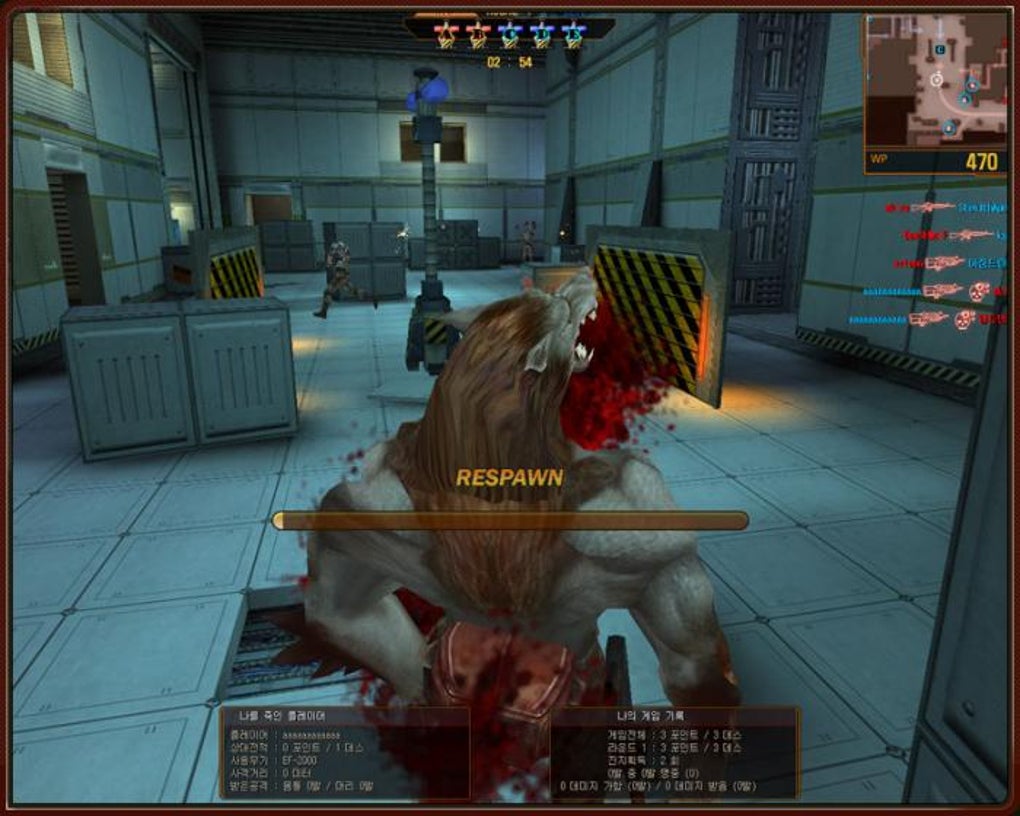
Destruction mode provided a unique objective: players worked to destroy the other team’s bases. This mode favored aggressive playstyles and a focus on coordinated assaults, requiring players to utilize both human and werewolf abilities to overcome defensive strategies and achieve destruction. The demolition of bases demanded a concerted team effort, testing both cooperation and individual capabilities.
These different modes provided a broad range of experiences, allowing players to find their preferred playstyle and challenge themselves with varying levels of difficulty and strategic complexity. The versatility of the game modes catered to different preferences, ensuring that players could enjoy the core mechanics in various contexts.
Technical Aspects and Limitations
While Wolf Team offered a unique and engaging experience, it wasn’t without its drawbacks. One common criticism was the reported lag on some servers. This lag, which varied in intensity depending on server load and geographic location, could significantly impact the overall gameplay experience, creating frustrating moments for players. This issue was a significant point of concern for many players, impacting the overall enjoyment and potentially hindering the potential of the game.
Despite this, the relatively unique concept of the human-werewolf transformation in a fast-paced FPS, along with the engaging variety of game modes, made Wolf Team a noteworthy title in the crowded FPS landscape. The game’s potential was considerable, suggesting that with improvements in server infrastructure and potential updates, it could have achieved even greater success.
Comparison to Similar Games
Wolf Team occupied a unique niche in the FPS genre. While many games featured distinct classes or characters with varying abilities, few offered the fundamental gameplay shift provided by the human-werewolf transformation. This distinctive feature set it apart from typical military-themed shooters and games focusing on other fantasy themes.
Games like Rakion: Chaos Force, S4 League, and GunZ shared the online multiplayer and action-focused aspects, but lacked the core mechanic of transforming between drastically different playstyles. These titles usually featured class-based systems with distinct roles, but not the dynamic shift in abilities offered by Wolf Team’s transformation mechanic. While these games also presented exciting multiplayer experiences within the FPS genre, none quite captured the strategic duality inherent in Wolf Team’s design.
Legacy and Availability
Unfortunately, Wolf Team is no longer officially available for download. This is a common fate for many online games, particularly those that fail to maintain a substantial player base or struggle to overcome technical challenges. The removal of the game from official download platforms leaves its legacy largely to the memories of those who played it.
Conclusion
Wolf Team presented a compelling vision within the FPS genre, offering a unique gameplay loop through its human-werewolf transformation mechanic. The diverse game modes catered to different player preferences, while the blend of action and strategy created a dynamic experience. While technical issues and eventual unavailability ultimately affected its long-term success, its innovative design remains memorable, showcasing the potential for unique and engaging concepts within established genres. The game serves as a reminder of the constant evolution of the FPS genre and the potential for unexpected mechanics to shape innovative and compelling gaming experiences. Its legacy lies not only in its innovative gameplay but also in highlighting the challenges faced by online games in maintaining a strong and active player community and overcoming the obstacles of technical limitations.
File Information
- License: “Free”
- Version: “6.06”
- Latest update: “October 22, 2024”
- Platform: “Windows”
- OS: “Windows XP”
- Language: “English”
- Downloads: “207.6K”
- Size: “468.09 KB”


