
Wordle, the deceptively simple yet captivating word game, rapidly ascended to global popularity, captivating millions with its blend of challenge and accessibility. Created by Josh Wardle, this free-to-play puzzle game tasks players with guessing a five-letter word within six attempts. The seemingly straightforward premise belies a surprisingly strategic depth, fostering a daily ritual for players worldwide and sparking a cultural phenomenon.
The Genesis of a Global Craze
Wordle’s journey began as a personal project, a gift from Josh Wardle to his word-game-loving partner. Initially launched as a simple web-based game, it quickly spread organically through word-of-mouth, fueled by its addictive gameplay and the social element of sharing daily results. The minimalistic design, devoid of intrusive advertisements or complex mechanics, contributed significantly to its charm. Players were immediately drawn to its clean interface and the satisfying click of correctly guessed letters. The game’s simplicity masked its inherent challenge; the limited number of attempts demanded strategic thinking and careful consideration of each guess.
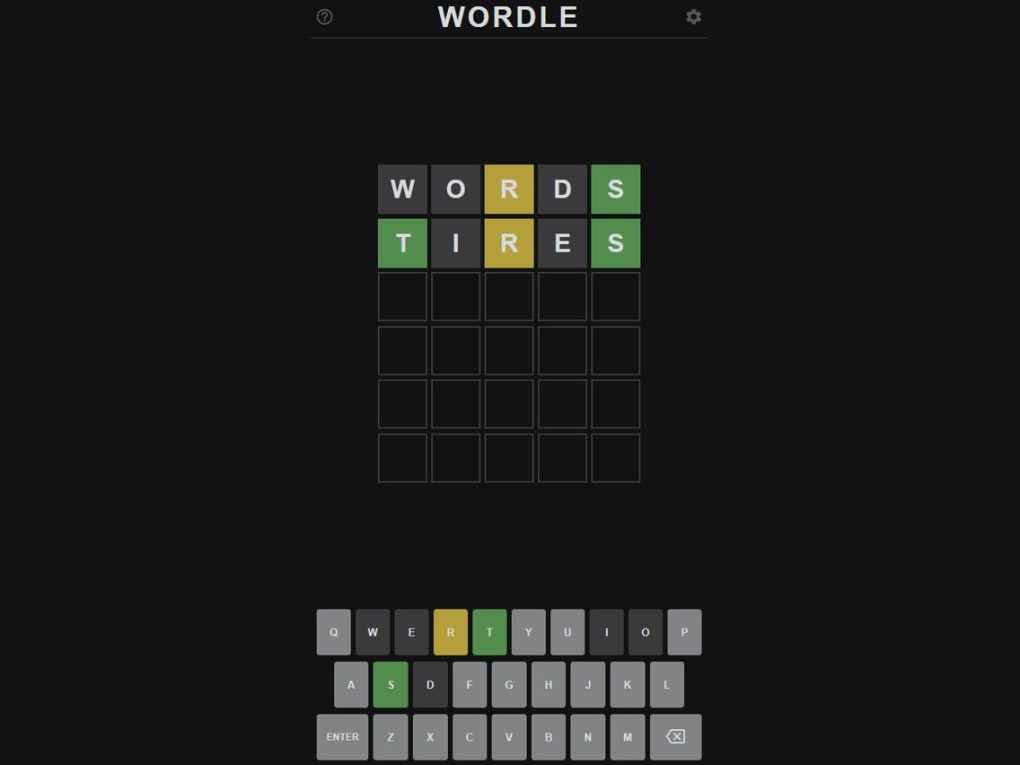
The social sharing aspect played a crucial role in Wordle’s exponential growth. After each attempt, players could generate a shareable tile-based graphic representing their progress, subtly hinting at their success (or lack thereof) without revealing the solution. This feature transformed Wordle into a shared experience, fostering friendly competition and creating a sense of community among players. The concise, visually appealing results spurred widespread sharing on social media platforms like Twitter, further propelling the game’s popularity.
Wordle’s rise wasn’t just about the game itself; it tapped into a societal need for simple, engaging diversions during a period marked by uncertainty and global events. Its daily rhythm provided a comforting consistency, a small, manageable challenge to look forward to in the midst of larger, often overwhelming anxieties. The game’s inherent limitations—one word per day, six attempts maximum—created a sense of controlled scarcity, adding to its appeal. The short bursts of focused mental activity provided a satisfying escape without demanding extensive time commitment.
The Acquisition by The New York Times and its Implications
Wordle’s meteoric rise naturally attracted the attention of larger players in the digital entertainment space. In January 2022, The New York Times Company acquired Wordle for an undisclosed seven-figure sum, a testament to the game’s remarkable success and market value. The acquisition sparked concerns among some players, who worried about the potential for monetization that could compromise the game’s free-to-play nature.
The New York Times’ initial handling of Wordle eased many of these concerns. The game remained free to play for existing users, and the core gameplay mechanics remained unchanged. However, the integration of Wordle into the New York Times’ online platform introduced subtle changes, such as the inclusion of ads, which, though initially limited, sparked renewed debate. The integration was not without its difficulties; the transition led to temporary disruptions for some players, highlighting the challenges associated with transferring a viral phenomenon onto a large-scale platform.
The long-term implications of The New York Times’ acquisition remain a subject of ongoing discussion. While the game’s continued availability as a free-to-play title is a positive outcome for many, the introduction of advertisements and potential future monetization strategies demonstrate the inherent tensions between preserving a game’s original charm and leveraging its popularity for commercial gain.
Wordle’s Enduring Appeal: Simplicity and Strategy
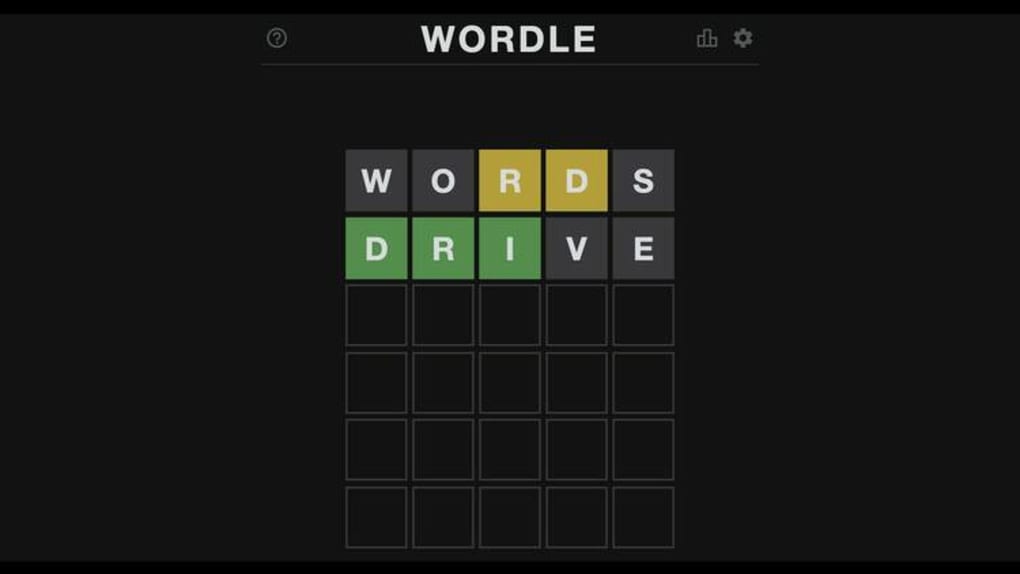
Wordle’s enduring appeal lies in its masterful balance of simplicity and strategic depth. The rules are easily grasped, yet the process of deducing the correct word demands careful consideration of letter placement and frequency. Each guess provides valuable feedback, narrowing down the possibilities and informing subsequent attempts. The game’s inherent constraints—the limited number of attempts and the single daily word—encourage players to approach each game with mindful consideration. This thoughtful approach contrasts with the often frenetic pace of many modern mobile games, making Wordle a refreshing change of pace.
The game’s visual design also contributes to its success. The simple grid-based interface, coupled with the color-coded feedback system, creates a visually satisfying and easily understandable experience. This simplicity extends to accessibility; Wordle’s lack of complex controls makes it playable on a wide range of devices, including computers, smartphones, and tablets. Its accessibility transcends age and technological proficiency, allowing players of all backgrounds to enjoy the game.
Beyond the individual gameplay, Wordle has fostered a vibrant online community. Players share their scores, strategize together, and offer hints to help each other solve the daily puzzle. This collective engagement enhances the overall experience, transforming a solo game into a shared activity. The ability to share results allows for social connection and friendly competition, further amplifying the game’s popularity.
The Wordle Phenomenon and its Cultural Impact
Wordle’s impact extends beyond its immediate user base. Its popularity sparked countless variations, spin-offs, and imitations, showcasing the power of its simple yet effective design. The game’s success highlighted a demand for engaging, accessible games that could be enjoyed by casual and hardcore players alike. The minimalistic approach, focusing on core gameplay mechanics rather than elaborate graphics or complex narratives, proved remarkably effective.
Wordle also had an undeniable impact on social media, briefly dominating conversations and trends. The concise, easily shareable results made the game ideal for social media platforms. The daily ritual created a shared experience that transcended geographical boundaries, connecting millions of players across the globe through a common activity. The game’s popularity demonstrated the potential for seemingly simple games to capture the attention of a vast audience.
The cultural impact of Wordle can be seen in its lasting influence on game development. The game’s success highlighted the appeal of bite-sized, accessible games that could easily be integrated into daily routines. The focus on simple yet strategic gameplay and the utilization of social sharing mechanics provide a valuable blueprint for future game designers seeking to capture the magic of Wordle’s success. Wordle’s legacy extends beyond its own existence, influencing the development and design of countless other games.
In conclusion, Wordle’s extraordinary success is a testament to the power of simplicity, strategic design, and social interaction. Its rise from a personal project to a globally recognized phenomenon demonstrates the potential for a well-crafted game to transcend its initial scope, becoming a cultural touchstone and influencing the way we engage with digital entertainment. While its long-term future under the ownership of The New York Times remains to be seen, Wordle’s impact on the gaming landscape and popular culture is undeniable.
File Information
- License: “Free”
- Version: “1.0”
- Latest update: “November 12, 2024”
- Platform: “Windows”
- OS: “Windows 8”
- Language: “English”
- Downloads: “14.9K”
- Size: “120.09 KB”


