
World of Warcraft (WoW), Blizzard Entertainment’s flagship massively multiplayer online role-playing game (MMORPG), has captivated millions since its release in November 2004. More than just a game, WoW is a sprawling, immersive world of high fantasy, epic storytelling, and persistent online community interaction. This enduring popularity stems from a continuously evolving gameplay experience, a rich and detailed lore, and a persistent sense of discovery within the vast world of Azeroth. This article explores the key elements that have contributed to WoW’s long-standing success, from its foundational mechanics to its recent updates.
A World Divided: Factions, Races, and the Ever-Expanding Lore
At the heart of WoW lies a conflict between two primary factions: the Alliance and the Horde. These factions represent distinct ideologies and are populated by a diverse cast of races, each with its unique history, culture, and playstyle. The Alliance, traditionally embodying a sense of order and justice, comprises humans, elves (night elves and blood elves), dwarves, gnomes, draenei, worgen, and the pandaren. The Horde, characterized by its grit and survivalist mentality, includes orcs, tauren, trolls, undead, goblins, and blood elves. The introduction of Allied Races further blurs the lines between factions, offering players the chance to experience the game through alternative character options while still aligning with their chosen faction.
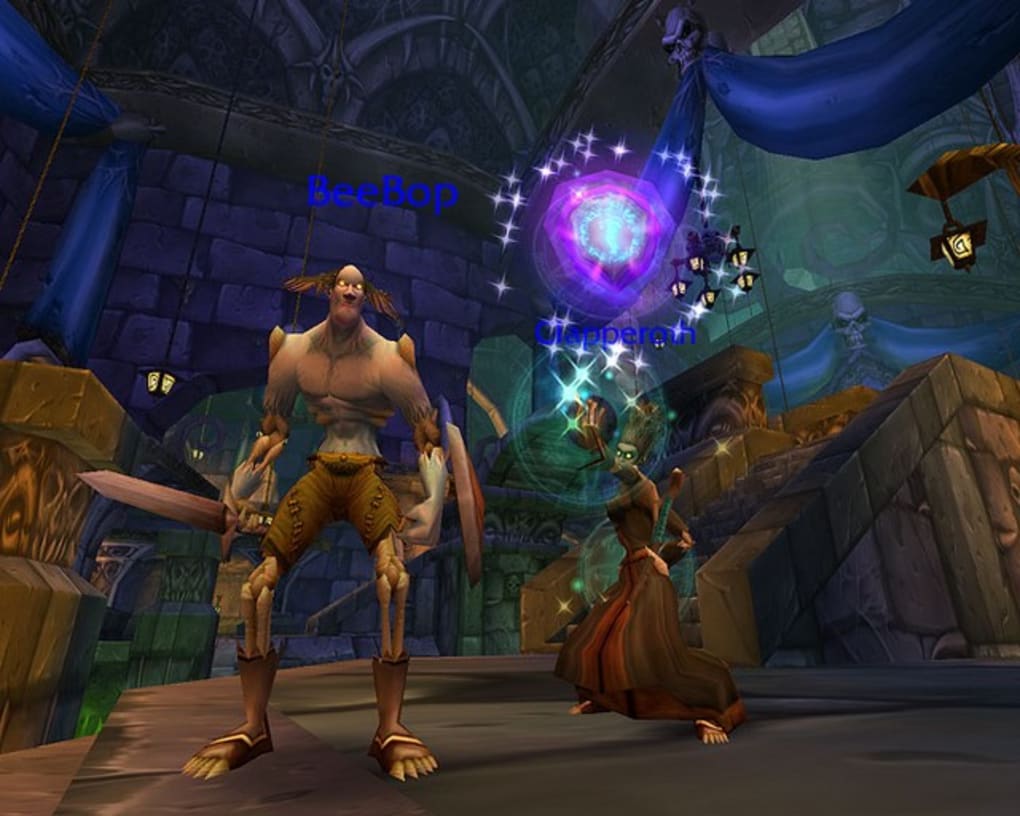
The game’s narrative unfolds across a vast and intricately detailed world, Azeroth. Through numerous expansions, WoW has continually broadened the scope of its narrative, introducing new continents, cultures, and threats. Players embark on quests, both individually and collaboratively, unraveling the rich lore established through the Warcraft series, experiencing familiar events in new contexts and encountering entirely new characters and storylines. Whether exploring the icy wastelands of Northrend, the lush jungles of Pandaria, or the Draconic realms of Dragon Isles, players find themselves immersed in a living, breathing world where every corner holds a potential story. The depth of the lore, accessible both through gameplay and supporting materials, has been crucial in maintaining the game’s ongoing appeal. A player’s understanding of Azeroth’s history enriches the gameplay experience and fosters deeper connections with the game’s characters and events.
Gameplay and Progression: Raids, Dungeons, and Character Customization
WoW’s gameplay centers around character progression through experience gained by completing quests, defeating monsters, and participating in player-versus-environment (PvE) content such as dungeons and raids. Dungeons, typically designed for groups of five players, offer challenging encounters within specific locations. These encounters test players’ skills, teamwork, and coordination while rewarding them with valuable loot and experience. Raids, larger-scale encounters designed for groups of 10, 20, or 25 players, represent the pinnacle of PvE challenges, requiring meticulous strategic planning and exceptional coordination to overcome. These instances often feature iconic encounters, unforgettable boss battles, and legendary loot, creating some of the game’s most memorable and rewarding experiences.
Beyond PvE, World of Warcraft also offers robust player-versus-player (PvP) content, including battlegrounds, arena combat, and world PvP zones. These modes provide players the opportunity to test their skills against other players, earning unique rewards and proving their dominance on the virtual battlefield.
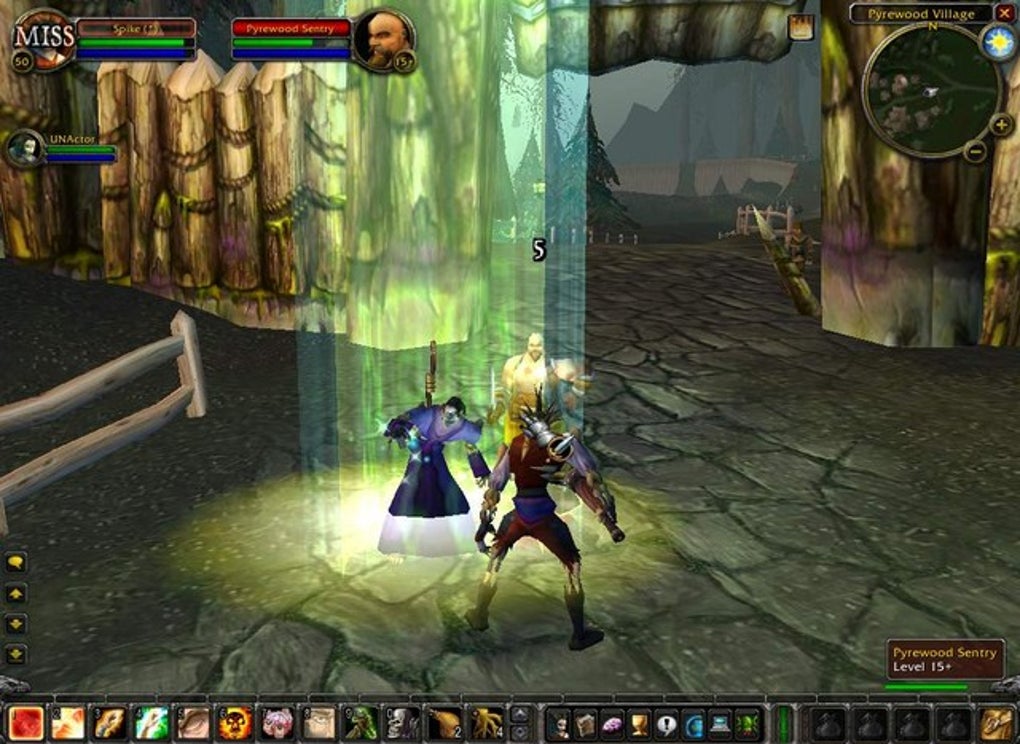
Character customization is a significant aspect of the WoW experience. Players can choose from a vast array of races and classes, each with unique abilities and playstyles. Further customization options, including talents, professions, and gear, allow players to tailor their character to their preferred playstyle, maximizing their efficiency within their chosen role. The diverse range of choices ensures that no two characters are ever truly alike, promoting individuality and fostering a sense of personal investment in the game. Professions like Inscription also allow for active participation in crafting, adding another layer of depth to the overall gameplay loop.
The Ever-Evolving World: Expansions and Content Updates
World of Warcraft’s success is directly attributable to Blizzard Entertainment’s commitment to releasing regular expansions and content updates, constantly enriching the game’s content and keeping the experience fresh and engaging. Each expansion introduces new zones, storylines, features, and mechanics, significantly expanding the game’s world and introducing new challenges for both veteran and new players. From the icy wastes of Northrend (Wrath of the Lich King) to the mystical lands of Pandaria (Mists of Pandaria) and the war-torn continents of Battle for Azeroth, each expansion has provided a new chapter in the ongoing saga of Azeroth.
These expansions aren’t simply additions; they often reshape the existing game mechanics and introduce entirely new systems. The introduction of new classes, races, and professions continually refreshes the gameplay loop, preventing the game from feeling stale. Beyond expansions, smaller content updates regularly introduce new quests, items, and gameplay tweaks to ensure the overall experience stays balanced and enjoyable. The recent 10.0.7 update, for example, showcases this ongoing commitment with new adventures in the Forbidden Reach, new Heritage Armor sets for orcs and humans, the expansion of the Monk class to new races, a compelling new questline involving Baine Bloodhoof, and a refreshed Recruit A Friend program. This continued development shows Blizzard’s dedication to maintaining a vibrant and evolving game world.
The Social Landscape: Community, Guilds, and the Challenges of Online Interaction
As an MMORPG, World of Warcraft thrives on its vibrant online community. Players interact constantly, forming groups to tackle dungeons and raids, competing in PvP events, or simply socializing in the game’s various hubs. Guilds provide a sense of belonging and community, offering structured social interaction and shared goals. These social dynamics are central to the WoW experience, fostering friendships, cooperation, and a shared sense of accomplishment.
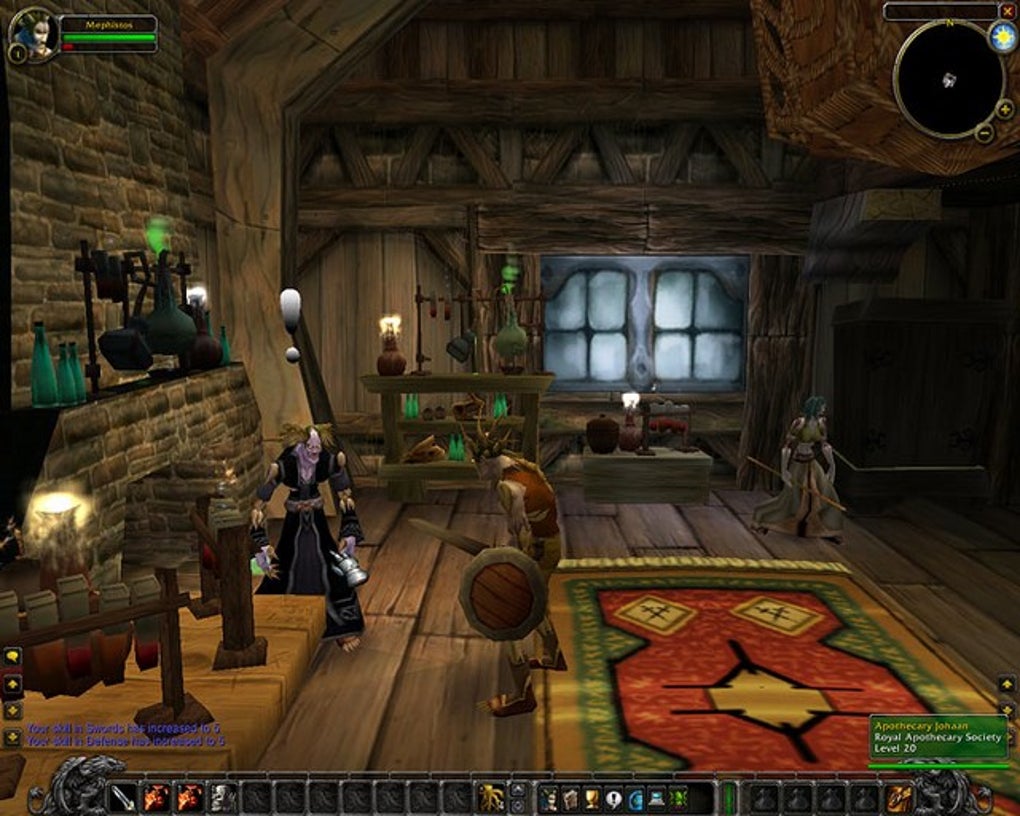
However, this social aspect also presents its challenges. Like any online platform, WoW has its share of negative experiences, including encounters with toxic players, those using third-party tools to gain an unfair advantage, and instances of harassment. Blizzard actively works to mitigate these issues, but a completely safe and friendly environment is unrealistic within such a massive, dynamic community. This caveat underscores the importance of player responsibility and community moderation in maintaining a positive experience for everyone. The learning curve for new players can also be steep, as the game has evolved significantly over the years, accumulating a complex system of mechanics and lore. This necessitates a substantial investment in time to fully understand the game’s nuances and maximize one’s enjoyment. The ongoing subscription requirement also constitutes a significant financial commitment.
Conclusion:
World of Warcraft’s enduring legacy is a testament to its exceptional blend of gameplay, lore, community, and ongoing development. While the subscription model and potentially steep learning curve present entry barriers, the vast and engaging world of Azeroth, the depth of its lore, and the continually updated content continue to attract and retain players. For those willing to invest the time and resources, WoW offers a truly unparalleled online role-playing experience that is constantly evolving and remaining relevant, promising an ever-expanding world of adventure and discovery.
File Information
- License: “Trial version”
- Latest update: “September 24, 2024”
- Platform: “Windows”
- OS: “Windows 7”
- Language: “English”
- Downloads: “1.8M”


