
The digital age has revolutionized how we learn, offering interactive and engaging tools that transform complex subjects into accessible experiences. Among these innovations is the X-Ray Scanner, a compelling educational game developed by KreCi, designed specifically for Android users. Far from being a diagnostic medical instrument, this application serves as an interactive gateway to understanding the intricate world of human skeletal structures. It offers a simulated glimpse into the bones of the hand, foot, skull, and chest, providing a unique and captivating way for learners of all ages to explore basic anatomy without the need for actual medical equipment or specialized knowledge. This article delves into the nuances of the X-Ray Scanner app, examining its educational value, user experience, technical specifications, and its place within the broader landscape of digital learning tools.
Understanding the X-Ray Scanner App: A Deep Dive into Educational Simulation
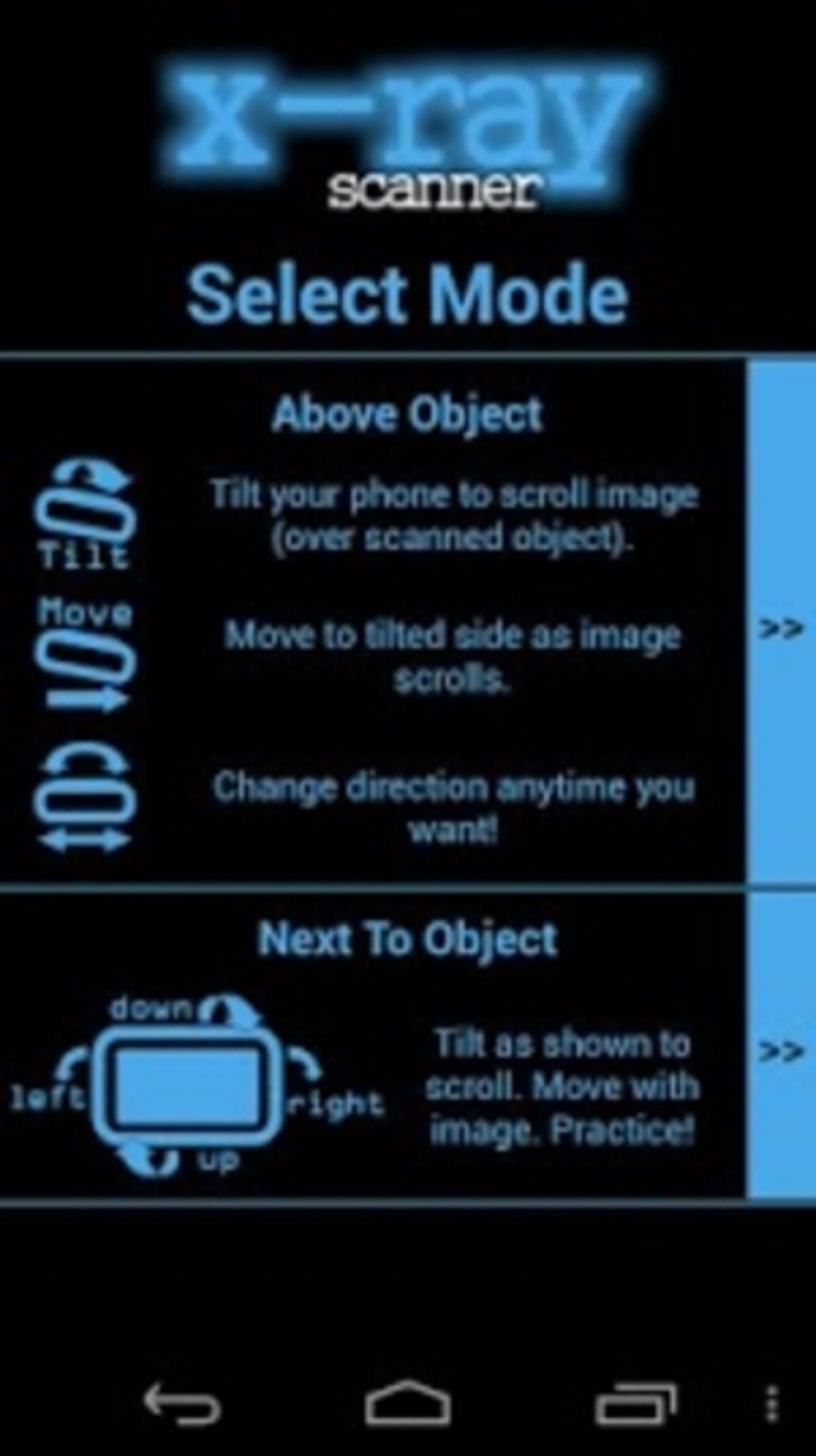
At its core, the X-Ray Scanner app is a testament to the power of educational gamification. Developed by KreCi, a company seemingly focused on creating engaging digital experiences, this application leverages the intuitive nature of mobile platforms to present complex biological information in an understandable and enjoyable format. Unlike its name might suggest, it does not employ any form of actual X-ray technology, nor does it possess the capability to scan objects in the real world. Instead, it offers pre-designed, realistic simulations of various bone structures. The primary purpose is purely didactic: to provide a visual and interactive learning experience for those curious about human anatomy, particularly the skeletal system.
The concept behind the X-Ray Scanner is elegantly simple. Users select a part of the human body – a hand, a foot, a skull, or a chest – and the app displays a simulated X-ray image of that specific region. These images are crafted to appear realistic, giving the impression of an actual radiographic scan. This approach effectively demystifies the internal structure of the human body, allowing users to observe bone shapes, sizes, and arrangements that are typically hidden from view. For students, this visual aid can significantly enhance comprehension of textbook descriptions, turning abstract concepts into concrete visual realities. For casual learners, it offers an intriguing peek into the mechanics of their own bodies, sparking curiosity and encouraging further exploration. The developer’s intention is clearly to create a tool that is both informative and entertaining, making the process of learning about anatomy less intimidating and more approachable.
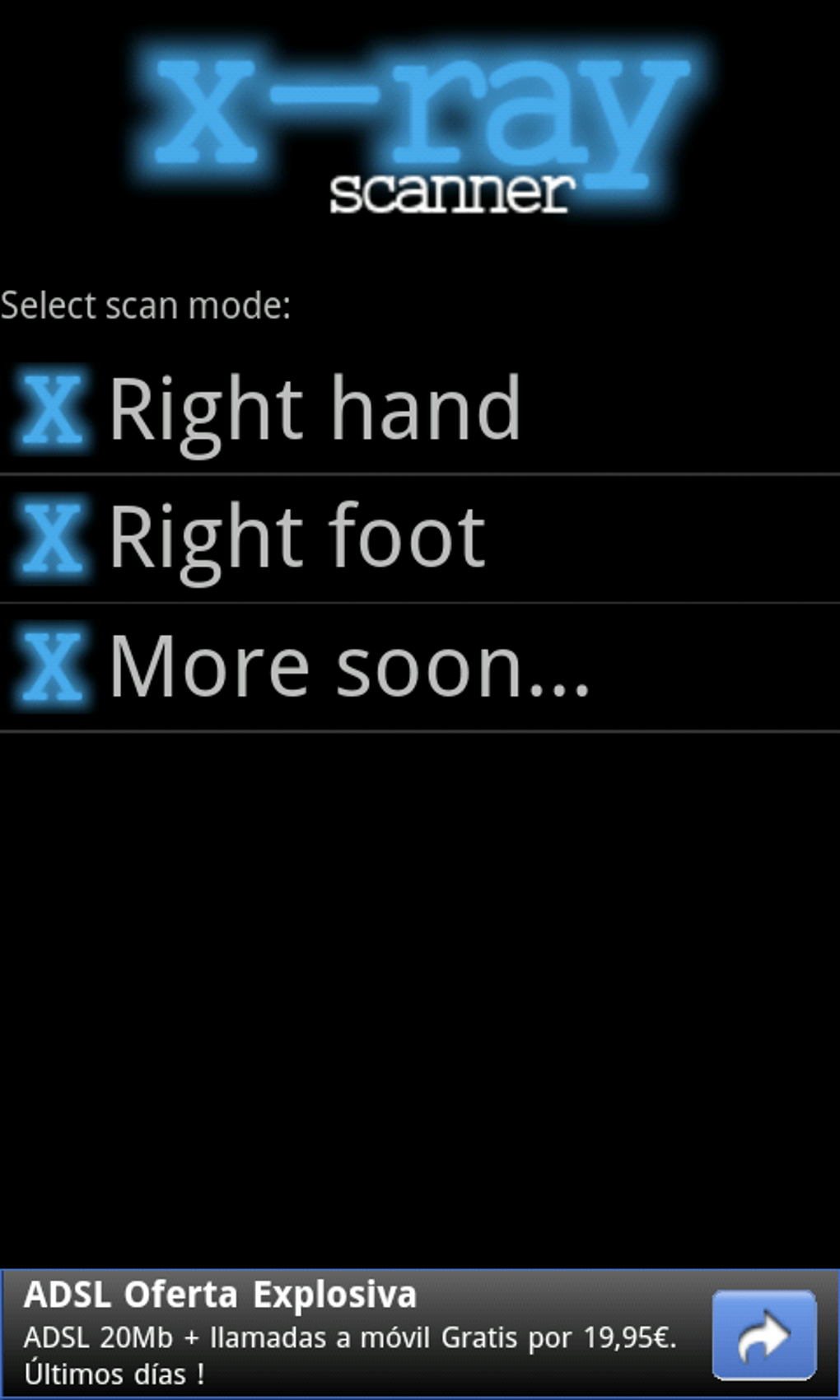
The app’s success lies in its ability to abstract the complexities of real X-ray imaging and present only the educational core. Real X-rays involve electromagnetic radiation, sophisticated machinery, and specialized interpretation. The X-Ray Scanner game, by contrast, focuses solely on the visual output: the internal skeletal structure. This simplification allows users to concentrate on anatomical identification and spatial understanding without getting bogged down by the physics or medical procedures involved in actual radiography. It essentially serves as a digital anatomy atlas, brought to life through interactive simulation. The fact that it is a “free educational game” further lowers the barrier to entry, making it accessible to a wide audience who might otherwise not have access to such visual learning tools.
Bridging Education and Engagement: Anatomy Learning Made Interactive
The true strength of the X-Ray Scanner lies in its capacity to bridge the gap between passive learning and active engagement. By allowing users to virtually “scan” and observe different parts of the skeletal system, the app transforms traditional anatomical study into an interactive adventure. This hands-on, exploratory approach is highly effective for retention and understanding, particularly for visual learners or those who benefit from direct interaction with learning materials.
Detailed Skeletal Simulations: Exploring the Human Form
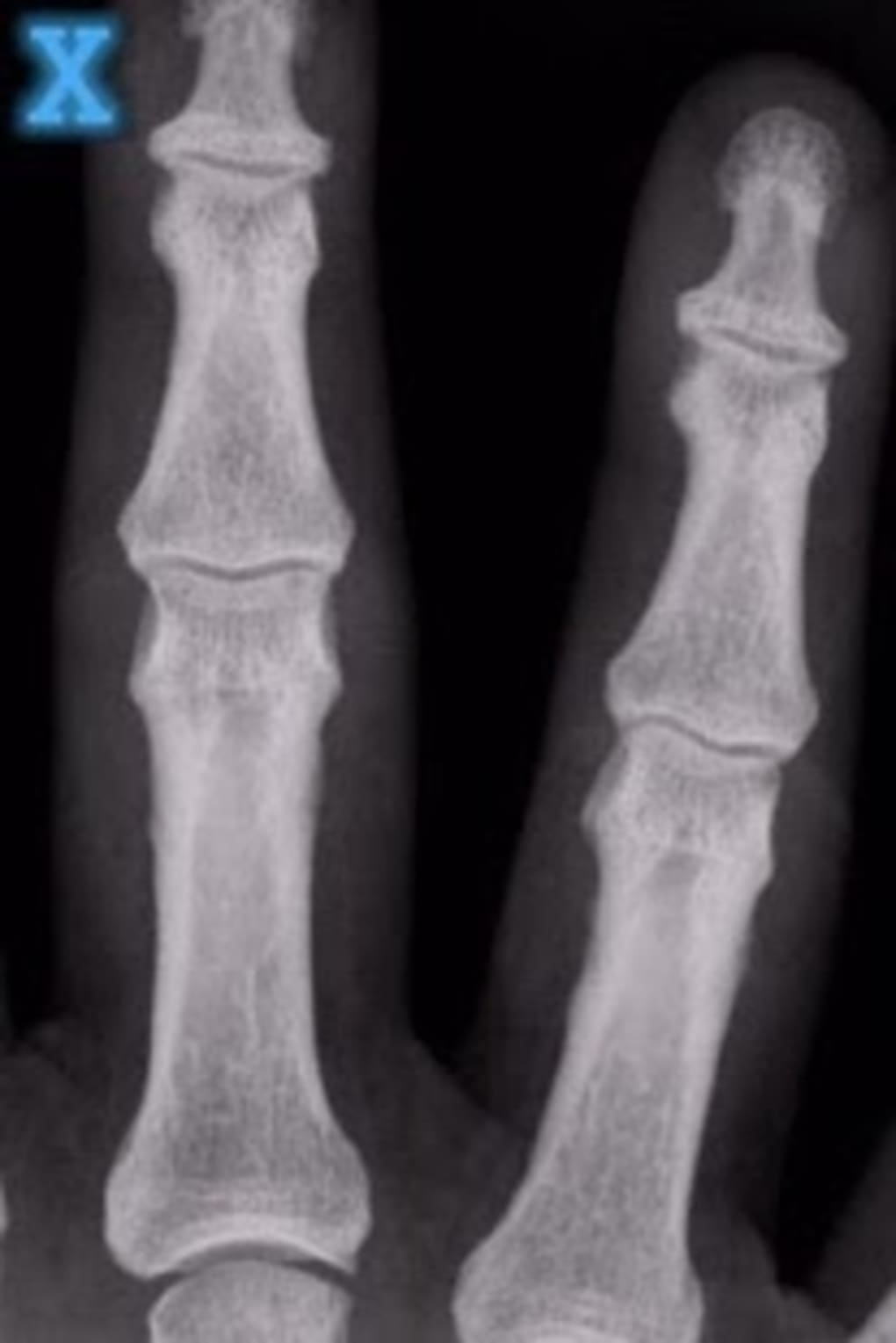
The app features realistic simulations of several key bone structures: the hand, foot, skull, and chest. Each of these represents a unique and complex assembly of bones, offering distinct learning opportunities:
- The Hand: Observing the bones of the hand (carpals, metacarpals, phalanges) allows users to understand the intricate framework that enables dexterity and grip. The simulation can help differentiate between various small bones and their articulation, illustrating how they work together for movement. This is invaluable for understanding fine motor skills and common hand injuries.
- The Foot: Similar to the hand, the foot’s skeletal structure (tarsals, metatarsals, phalanges) is complex and crucial for locomotion and weight-bearing. The simulation can highlight the arch structure, the arrangement of bones that provide flexibility and support, and how they connect to the ankle and lower leg.
- The Skull: The skull, a protective casing for the brain, is a fascinating structure composed of multiple fused bones (cranium) and facial bones. The X-Ray Scanner simulation can depict the various plates that form the cranial vault, the eye sockets, nasal cavity, and jawbone. This allows for an appreciation of the protective function of the skull and the intricate design of the face.
- The Chest: The chest cavity is formed by the ribs, sternum, and thoracic vertebrae, protecting vital organs like the heart and lungs. The app’s simulation of the chest can illustrate the rib cage’s curvature, its attachment to the sternum, and the way it encloses the thoracic cavity. This provides a clear visual of how these bones contribute to respiration and organ protection.
The “realistic visual representations” are key to the app’s educational value. While it’s a game, the fidelity of the bone structures is designed to be accurate enough for basic learning. Users can observe the general shape, relative size, and approximate positioning of bones. For instance, in the hand simulation, one can differentiate between the eight carpals in the wrist, the five metacarpals in the palm, and the fourteen phalanges in the fingers. This level of detail, even if simplified compared to a medical-grade imaging, is more than sufficient for an introductory anatomy lesson. It transforms abstract terms from a textbook into tangible visual elements, enhancing memory and comprehension. The engaging nature of the game encourages repeated interaction, reinforcing learning through discovery and exploration.
User Interface and Accessibility: Navigating the Learning Experience
An easy-to-use interface is paramount for any educational tool, especially one targeted at a broad audience, including younger learners. The X-Ray Scanner excels in this regard, featuring a design that prioritizes seamless navigation and accessibility. The app’s developers have clearly understood that a cluttered or confusing interface can detract from the learning experience, regardless of the quality of the content.
The interface is typically characterized by clear icons, minimal text, and intuitive gestures. Users can likely select the desired body part from a simple menu or carousel. Once a selection is made, the simulated X-ray image appears, often allowing for basic interactions like tapping to highlight specific bones, pinching to zoom in for closer inspection, or swiping to rotate the view (though specific interactive features are not detailed in the original snippet, they are common in similar educational apps). This straightforward design ensures that even individuals with limited technological proficiency can quickly grasp how to use the app, allowing them to focus entirely on the anatomical content rather than struggling with the controls.
The benefit of such an accessible interface extends to various user groups. For children, it prevents frustration and encourages independent learning. For adults seeking a quick anatomical reference, it provides information without unnecessary complexity. The educational content, while foundational, is delivered in a wrapper that is welcoming and non-intimidating, making the act of learning an enjoyable and fluid process. This commitment to user-friendliness is a significant factor in the app’s overall appeal and educational effectiveness.
The Caveats and Considerations: What the App Isn’t and Its Downsides
While the X-Ray Scanner offers significant educational value, it’s crucial to approach it with a clear understanding of its limitations. The app’s name, “X-Ray Scanner,” can be inherently misleading, potentially causing confusion among users who might mistakenly believe it possesses actual scanning capabilities. This distinction is paramount, not just for accuracy but for safety and ethical considerations.
Distinguishing Simulation from Reality: Not a Medical Diagnostic Tool
One of the most critical disclaimers associated with the X-Ray Scanner is that it “does not function as an actual X-ray scanner.” This cannot be overstated. A real X-ray machine operates on principles of ionizing radiation, passing X-ray photons through a body part to create an image based on tissue density. Bones, being denser, absorb more radiation and appear white, while softer tissues appear darker. This process requires highly specialized and expensive equipment, trained professionals, and strict safety protocols due to the potential health risks associated with radiation exposure. The images produced are complex medical diagnostics, interpreted by radiologists to identify fractures, diseases, or abnormalities.
The X-Ray Scanner game, conversely, is a purely software-based simulation. It uses pre-rendered images or models that are designed to look like X-rays. There is no radiation, no actual scanning process, and certainly no diagnostic capability. The images displayed are static or interactively manipulated visual representations, not real-time scans of a user’s body. Confusing this educational game with a genuine medical device could lead to dangerous misconceptions, such as attempting to use it for self-diagnosis or neglecting to seek professional medical advice for injuries. The app’s developers, KreCi, and platforms like PhanMemFree.org that host it, are responsible for ensuring users understand this fundamental difference. It is an educational aid, a visual reference, and an interactive learning tool, but under no circumstances should it be considered a substitute for professional medical imaging or consultation. Its value lies solely in its capacity to educate about anatomy, not to provide medical insights.
Navigating the Advertisement Landscape: Impact on User Experience
Another notable drawback highlighted in user feedback is the presence of “intrusive ads.” For many free applications, advertisements are a necessary monetization strategy, allowing developers to recoup costs and continue supporting their products without charging users directly. However, the frequency and placement of these ads can significantly impact the user experience, particularly in an educational context.
Intrusive ads can disrupt the learning flow, break concentration, and introduce frustration. Imagine a child deeply engaged in identifying the carpals of the hand, only to have a full-screen video advertisement pop up, forcing them to wait several seconds before returning to their lesson. This kind of interruption can undermine the educational value of the app by making the learning environment less conducive to focused attention. For an app that aims to provide “seamless navigation and accessibility,” frequent ad interruptions can directly contradict this goal, hindering uninterrupted learning.
The balance between monetization and user experience is a constant challenge for free app developers. While ads are understandable, their intrusive nature can lead to negative reviews and reduced user engagement over time. Potential solutions for developers like KreCi might include offering a premium, ad-free version of the app for a nominal fee, limiting the frequency of ads, or integrating less disruptive ad formats (e.g., banner ads that don’t cover the entire screen or interrupt gameplay). While the X-Ray Scanner provides valuable content, the advertisement landscape remains a significant consideration for potential users and a point of criticism that could be improved.
Technical Specifications and Developer Insights
Understanding the technical details of the X-Ray Scanner app provides further context to its design and accessibility. These specifications not only outline the practical requirements for running the application but also reflect the developer’s choices in making it widely available.
- License: Free
- Version: 1.7.6
- Latest Update: March 24, 2025 (Note: This date seems to be a future date from the original snippet’s perspective, likely indicating a recent or anticipated update at the time of the snippet’s creation, or a placeholder. Assuming it means the latest available version at the time of the content’s last check).
- Platform: Android
- OS: Android 4.2 and higher
- Language: English
- Downloads: 94K (Total), 1.3K (Last month’s downloads)
- Size: 2.78 MB
- Developer: KreCi
- Download Options: APK, Google Play
The app’s small size (2.78 MB) is a significant advantage, ensuring it can be quickly downloaded and installed even on devices with limited storage or slower internet connections. This makes it highly accessible to a broader global audience, which is particularly important for an educational tool. Compatibility with Android 4.2 and higher means it supports a vast range of older and newer Android devices, again maximizing its reach. The reported 94K total downloads, with 1.3K in the last month, suggest a consistent, if not viral, interest in the app, indicating a stable user base looking for educational content.
KreCi, as the developer, positions itself within the realm of creating engaging and often educational digital content. While specific details about KreCi might be limited, their output, as seen with the X-Ray Scanner, demonstrates an understanding of how to package information for mobile consumption effectively. The offering of the app through both APK and Google Play ensures that users have multiple avenues for secure and convenient download. The fact that the app is primarily in English also positions it for a wide international audience, though it might be available in other languages via localization efforts not detailed in the snippet.
The Broader Ecosystem: Alternatives and Related Educational Tools
The X-Ray Scanner does not exist in a vacuum; it is part of a larger ecosystem of educational apps and digital tools. Understanding its place within this landscape helps appreciate its unique contribution while also highlighting areas where other applications might offer different functionalities or a more comprehensive approach.
The concept of using simulations for educational purposes is not new, but its widespread adoption on mobile devices has democratized access to such tools. The X-Ray Scanner acts as an excellent introductory point to medical imaging concepts, particularly for younger learners or those with no prior exposure. It provides a safe, radiation-free, and interactive way to visualize what a real X-ray aims to capture. This foundational understanding can be invaluable for students considering careers in healthcare, biology, or related scientific fields.
When comparing the X-Ray Scanner to genuine X-ray technology, the differences are stark but serve different purposes. Real X-rays are diagnostic tools; the app is an educational tool. However, the app can serve as a primer, making the learning curve for understanding real X-ray images less steep later on. It teaches users to recognize bone shapes and their relative positions, a crucial first step in anatomical identification.
The reference content also lists several “alternative apps” or “related topics,” which provide a glimpse into the broader digital landscape surrounding health and educational simulations:
- “Xray camera real scanner bone,” “X-Ray Mobile,” “Xray Scanner : Body Scanner,” “Xray Cloth Scanner -Camera App”: These titles frequently appear in app stores and represent a category of applications that often mislead users into believing they are actual scanners. It is crucial to distinguish the KreCi X-Ray Scanner, which explicitly states its educational, non-functional nature, from apps that might falsely claim real scanning capabilities. Many of these are entertainment or prank apps rather than genuine educational tools. The X-Ray Scanner by KreCi, despite its name, is clearer about its simulation status, making it a more responsible educational offering within this often-confusing category.
- “Blood Pressure Fingerprint Scanner,” “Blood Sugar Fingerprint Scanner”: These are examples of apps that touch upon health-related measurements but often fall into the category of “prank” or “entertainment” apps, as actual biometric scanning for such parameters via a smartphone fingerprint sensor is generally not medically accurate or feasible. These reinforce the need for users to be discerning about app claims, especially concerning health.
- Educational Free Apps (e.g., LEGO Juniors Create & Cruise, Peppa Pig series): These highlight the vast market for free educational games for Android. The X-Ray Scanner fits neatly into this category, aiming to educate through interactive play, much like these other popular titles that focus on building, creativity, or character-based learning.
The X-Ray Scanner contributes to the trend of “gamification of education,” where game design elements are used in non-game contexts to engage learners. This approach makes learning more appealing and less like a chore, fostering an intrinsic motivation to explore and understand. For human anatomy, a subject that can be daunting with its complex terminology and structures, such a gamified approach is particularly effective. It allows users to experiment, observe, and learn at their own pace, making it a valuable complement to traditional classroom teaching or self-study.
In conclusion, the X-Ray Scanner by KreCi stands as a noteworthy example of how mobile technology can be harnessed for educational purposes. While it’s essential to understand that it is a simulation and not a medical device, its strengths in providing accessible, interactive, and visually realistic bone structure simulations make it a valuable resource for anyone interested in a basic introduction to human anatomy. Its easy-to-use interface and broad compatibility further enhance its appeal, making learning an engaging and straightforward process for a diverse user base. Despite the presence of intrusive ads, its core educational value remains robust, cementing its place as a useful tool within the thriving ecosystem of digital learning.
File Information
- License: “Free”
- Version: “1.7.6”
- Latest update: “March 24, 2025”
- Platform: “Android”
- OS: “Android 4.2”
- Language: “English”
- Downloads: “93.6K”
- Size: “2.78 MB”
- Download Options: “APK, Google Play”
- Filename: “X-Ray_Scanner_v1.7.6..apk”


