
Xfinity, a brand name synonymous with Comcast’s expansive suite of services, offers a wide array of options for residential and business customers. This in-depth look explores the core components of Xfinity, delving into its internet, television, phone, and mobile offerings, as well as the accompanying apps and customer support systems. We’ll examine the strengths and weaknesses of each service, providing a comprehensive overview to help you determine if Xfinity is the right fit for your needs.
Xfinity Internet: Speed, Reliability, and Choice
Xfinity Internet stands as one of the company’s flagship products, providing high-speed internet access to millions of households across the United States. Comcast utilizes a vast network infrastructure, ensuring widespread availability and generally reliable service. However, performance can vary based on location, time of day, and network congestion.
Xfinity offers various internet plans, catering to different bandwidth needs and budgets. Options range from basic plans suitable for light internet usage (e.g., email, web browsing) to gigabit speeds designed for heavy bandwidth demands such as streaming 4K video, online gaming, and multiple simultaneous devices. The availability of specific plans depends on the customer’s location.
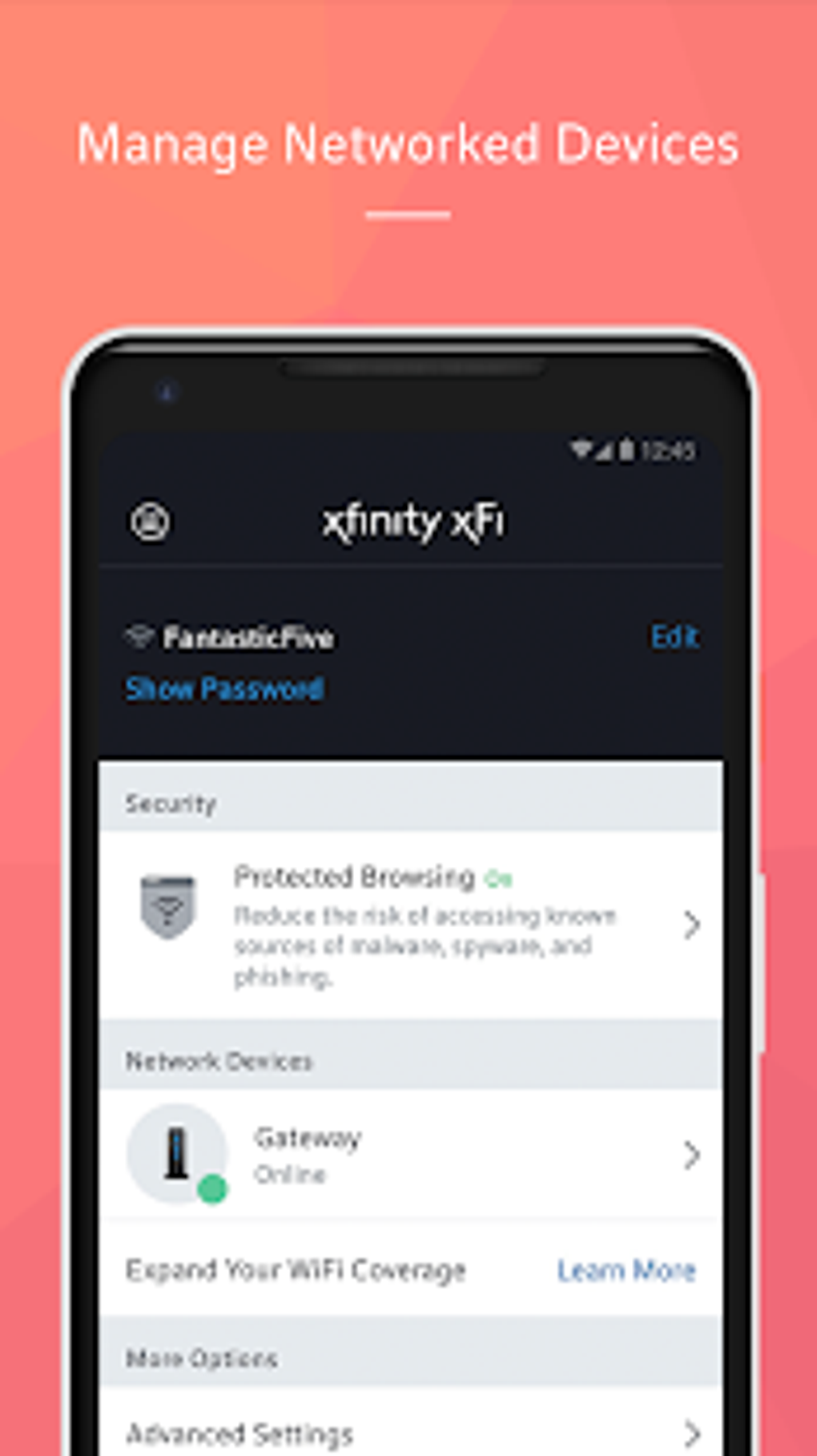
A key feature of Xfinity Internet is its xFi Gateway, a combination modem and router that manages the home network. The xFi Gateway offers advanced features such as parental controls, network security enhancements, and detailed data usage monitoring via the Xfinity app. However, it’s important to note that not all Xfinity Internet plans include the xFi Gateway; some may require separate modem and router purchases.
Beyond the standard internet plans, Xfinity also offers specialized options like Xfinity Internet Essentials, a program that provides low-cost internet access to low-income families. This demonstrates Comcast’s commitment to bridging the digital divide, although eligibility criteria must be met.
While generally reliable, Xfinity Internet, like any internet service, can experience outages. Comcast provides multiple avenues for reporting and troubleshooting these issues, including online support, phone support, and the Xfinity app. The effectiveness of these support options can vary depending on the complexity of the problem and the time of day.
Xfinity TV: Cable Television Reimagined
Xfinity TV offers a traditional cable television experience, coupled with on-demand and streaming capabilities. Subscribers can choose from a variety of channel packages, ranging from basic cable options to comprehensive packages offering hundreds of channels. The channel lineup varies based on location and package selection.
A significant advantage of Xfinity TV is its on-demand library, featuring a vast collection of movies and television shows available for instant viewing. This provides flexibility for viewers who prefer to watch content on their own schedule. Xfinity also integrates streaming services like Netflix, Hulu, and others directly into its interface, streamlining the user experience.
However, the cost of Xfinity TV can be substantial, particularly with higher-tier channel packages. Furthermore, the sheer number of channels can be overwhelming for some viewers. The user interface, while generally intuitive, can occasionally be cluttered and difficult to navigate.
Xfinity TV also offers a cloud DVR service, allowing subscribers to record shows and access them from multiple devices. This feature adds convenience but comes with storage limitations and potential subscription fees. Xfinity’s DVR capabilities are generally well-regarded but may require a more in-depth understanding of its functionalities for full utilization.
Xfinity Voice: Home Phone Service with Modern Features
Xfinity Voice provides traditional home phone service, leveraging Comcast’s network infrastructure. Unlike traditional landline services, Xfinity Voice typically doesn’t require a separate physical line; it operates over the internet (VoIP).
This digital approach offers several advantages, including the possibility of incorporating features like caller ID, voicemail, and call waiting. Additionally, some plans may offer unlimited nationwide calling, eliminating per-minute charges.
However, the reliance on internet connectivity means that Xfinity Voice can be affected by internet outages. Should the internet connection fail, the phone service will also be unavailable. This is a critical consideration for users who rely heavily on a consistent phone line. Power outages can similarly impact service, unless a backup power system is in place.
Xfinity Voice usually integrates with the Xfinity app, allowing for management of call logs, voicemail access, and other features. While this digital integration improves user experience, it also requires a certain level of comfort with using apps and mobile devices.
Xfinity Mobile: A Flexible Wireless Option
Xfinity Mobile provides a wireless phone service that leverages Verizon’s network infrastructure. This partnership provides generally good network coverage, although performance can vary by location.
Xfinity Mobile offers a unique pricing structure, where customers pay for the amount of data they use. This can be beneficial for low-data users, as it avoids unnecessary costs associated with fixed data plans. However, high-data users may find the cost to be higher compared to other unlimited data plans from competing providers.
The Xfinity Mobile app integrates seamlessly with the other Xfinity services, providing a consolidated billing and account management system. This is convenient for users already subscribing to multiple Xfinity products.
However, Xfinity Mobile might not be the best choice for everyone. The availability of specific features and the extent of network coverage will depend on your location and chosen plan. While generally reliable, network performance can still be subject to fluctuations due to network congestion or other factors.
The Xfinity App: Centralized Control and Support
The Xfinity app serves as the central hub for managing all Xfinity services. Through the app, users can:
- Monitor internet usage: Track data consumption and identify potential bandwidth hogs.
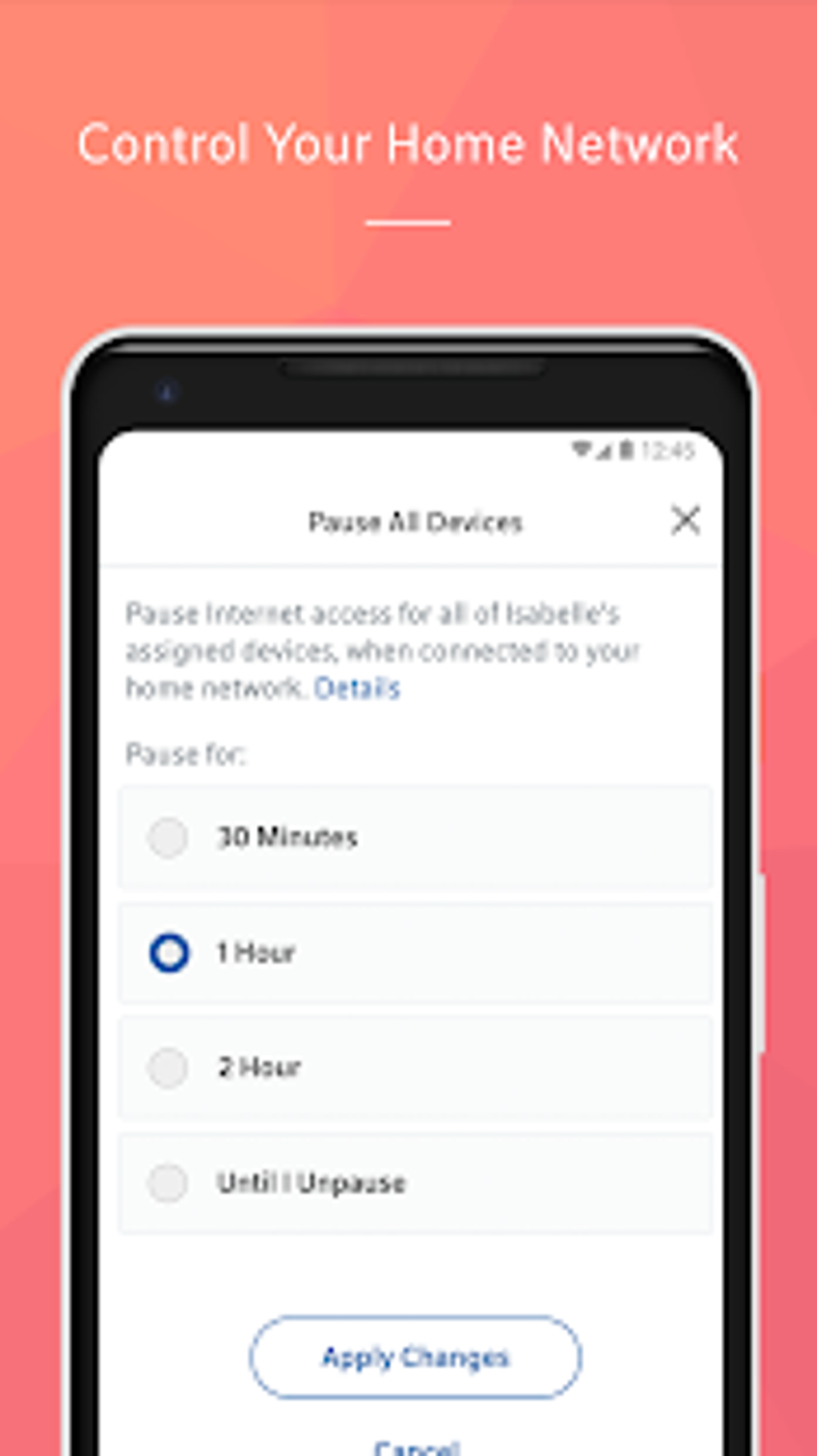
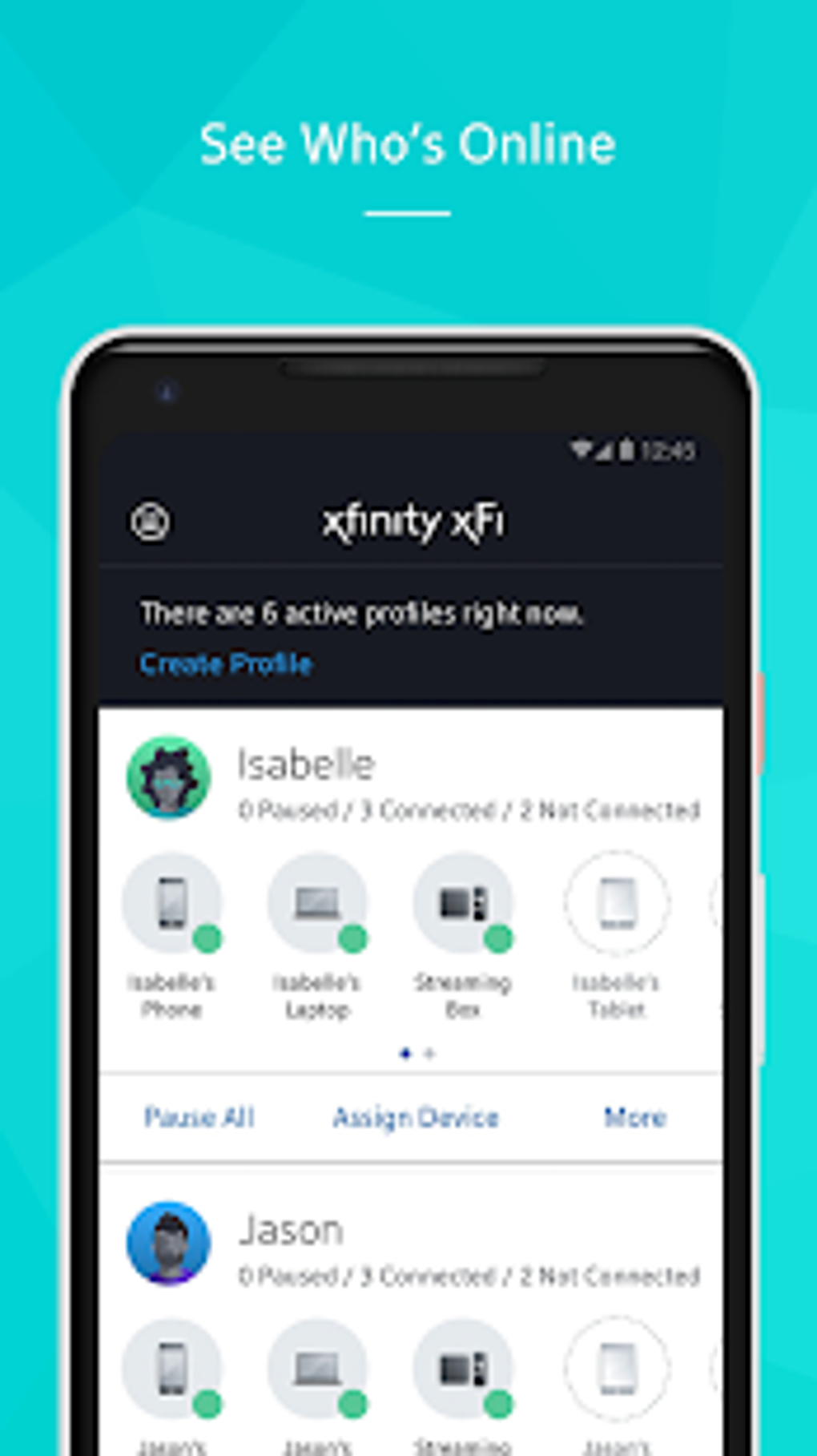
- Control WiFi network: Manage network settings, adjust parental controls, and connect/disconnect devices.
- Manage Xfinity TV: Browse on-demand content, record shows (with DVR service), and control set-top boxes.
- Manage Xfinity Voice: Access voicemail, check call logs, and manage call settings.
- Manage Xfinity Mobile: Monitor data usage, make payments, and manage account details.
- Access customer support: Report issues, troubleshoot problems, and contact customer service representatives.
The app is generally well-designed and user-friendly, but occasional glitches and performance issues have been reported. The effectiveness of the app’s customer support features can also vary depending on the complexity of the issue. The app is available on both iOS and Android platforms.
In conclusion, Xfinity offers a comprehensive suite of services designed to meet the communication and entertainment needs of modern households and businesses. While it provides a convenient consolidated experience through its app and diverse service offerings, potential customers should carefully evaluate individual service features, pricing, and limitations to determine if Xfinity aligns with their specific needs and budget. Thorough research and comparison with competing providers are recommended before making a decision.
File Information
- License: “Free”
- Latest update: “August 10, 2025”
- Platform: “Android”
- OS: “Android 15.0”
- Language: “English”
- Downloads: “5K”
- Download Options: “Google Play”


