
Xfire, once a dominant force in the world of PC gaming communication, offered a unique blend of instant messaging, in-game features, and community interaction. This article delves into the history, features, and ultimate demise of this once-popular gaming client. While the software itself is no longer available for download, its legacy remains a significant part of the history of online gaming.
The Rise of Xfire: Revolutionizing PC Gaming Communication
In the early to mid-2000s, online gaming experienced explosive growth. However, communication between players across different games and platforms was fragmented. Gamers relied on a patchwork of tools: individual game clients with limited friend lists, disparate instant messaging services like AIM or MSN Messenger, and IRC channels for specific games or communities. This fragmented ecosystem created friction for players seeking to connect with friends and organize gaming sessions.
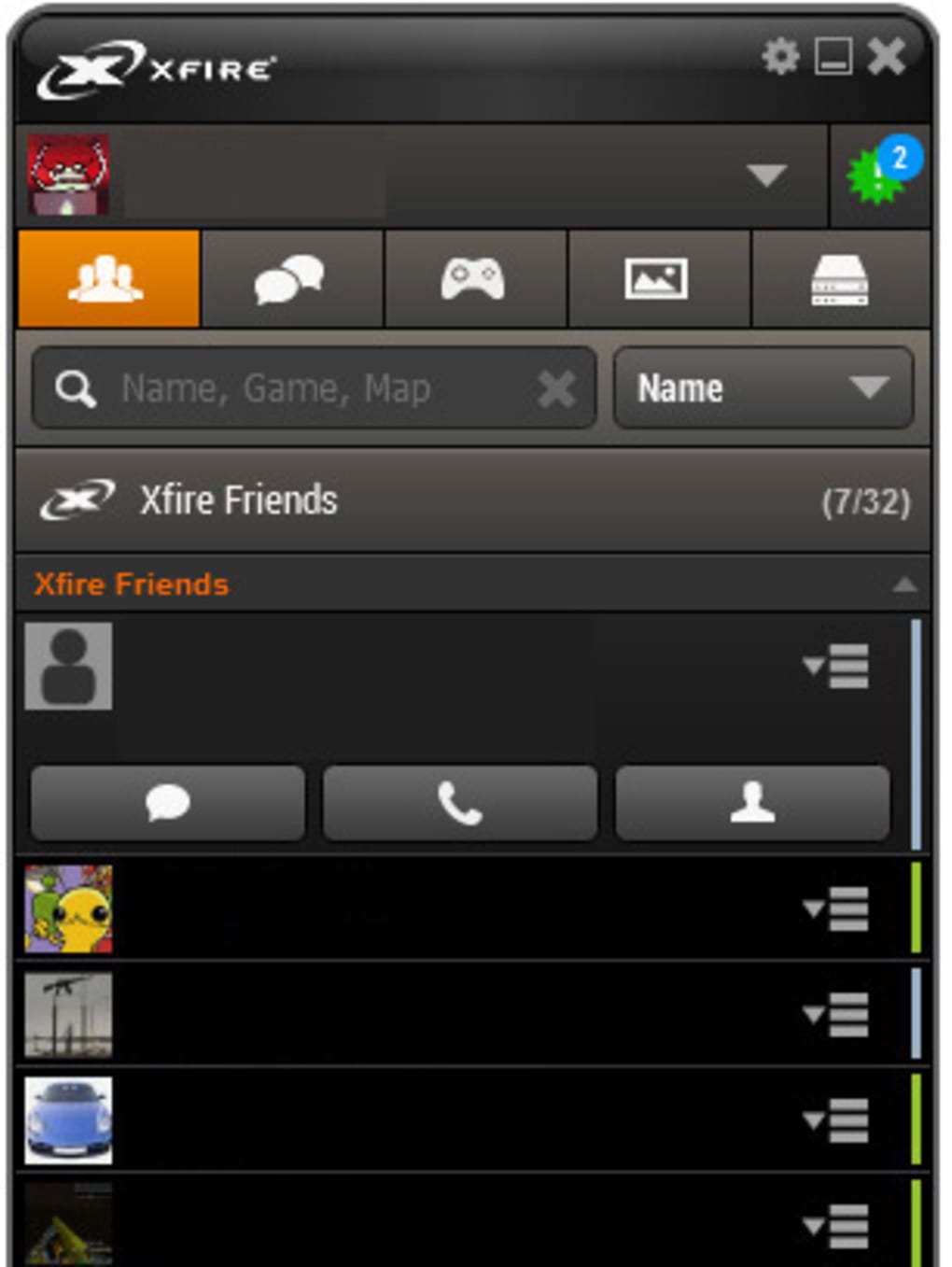
Xfire emerged as a solution to this problem, offering a unified platform designed specifically for gamers. Its core functionality centered around an instant messaging system seamlessly integrated with numerous popular PC games. Unlike traditional IM clients, Xfire cleverly integrated its messaging into the gaming experience. Instead of disruptive pop-up windows interrupting gameplay, Xfire displayed messages within the game interface itself for many supported titles, minimizing interruptions. This innovative approach was a key factor in its rapid adoption.
Beyond basic messaging, Xfire provided several features that enhanced the gaming experience. The ability to see what games friends were currently playing, along with the option to join their games with a single click, streamlined the process of connecting with friends and joining ongoing matches. This level of integration was unprecedented at the time and drastically improved the social aspect of PC gaming.
Furthermore, Xfire capitalized on the growing interest in sharing gaming experiences by incorporating tools for video recording, screenshot capture, and live streaming of gameplay. These features, while not groundbreaking individually, were bundled within a single, intuitive platform, creating a one-stop shop for gamers seeking to document and share their triumphs (and failures) with others. The integrated stats tracking further enhanced the competitive aspect of the experience, allowing players to monitor their performance in supported games.
Xfire’s Feature Set: A Deep Dive
Xfire’s success stemmed from its comprehensive suite of features, carefully tailored to address the specific needs of PC gamers. Let’s break down its key offerings:
-
Cross-Game Instant Messaging: The cornerstone of Xfire was its robust and integrated instant messaging system. The ability to communicate with friends across different games, without needing multiple IM clients, significantly enhanced the social interaction between gamers. The in-game message overlay feature further cemented Xfire’s convenience, avoiding the disruption caused by pop-up windows in many other IM clients.
-
Game Presence and One-Click Join: The client’s ability to display the currently played game of friends was innovative for its time. Knowing what games friends were playing and the ability to seamlessly join them directly from the Xfire client was a major time-saver and a significant improvement over previous methods of organizing gaming sessions. This feature alone simplified the often cumbersome process of connecting with friends online.
-
In-Game Voice Chat: While not the first to implement it, Xfire’s integration of in-game voice chat was a crucial component of its functionality. This facilitated real-time communication during gameplay, eliminating the need for separate voice chat programs. This seamless integration was a significant step forward in online gaming communication.
-
Screenshot and Video Capture: The inclusion of integrated screenshot and video recording capabilities directly within the client allowed gamers to easily capture and share memorable moments from their gameplay. This simplified the process of creating and sharing content, leading to increased user engagement and community interaction.
-
Live Streaming Integration: Ahead of the current live streaming boom, Xfire offered early integration with live streaming capabilities, allowing gamers to broadcast their gameplay to others. This functionality, though rudimentary compared to modern platforms, was another testament to Xfire’s commitment to providing a complete gaming experience within its client.
-
Battleground (Competitive Gaming Platform): Xfire also ventured into competitive gaming with its “Battleground” platform. This integrated feature aimed to provide a structured environment for competitive gaming, hosting tournaments and fostering a more competitive gaming community within the Xfire ecosystem. This ambitious initiative further differentiated Xfire from simple messaging clients, establishing it as a central hub for gaming interactions.
- Extensive Game Support: Xfire boasted an impressive library of supported games, covering a wide range of genres including First-Person Shooters (FPS), Real-Time Strategy (RTS), and Role-Playing Games (RPG). This extensive compatibility was a key draw for gamers, ensuring they could use Xfire regardless of their preferred games.
The Decline and Demise of Xfire
Despite its initial success and innovative features, Xfire’s popularity gradually waned. Several factors contributed to its eventual demise:
-
Rise of Steam and Other Platforms: The growing dominance of Steam and other integrated gaming platforms like Battle.net offered similar social features, often integrated directly within their game launchers. This decreased the need for a third-party client like Xfire, which suddenly seemed redundant for many gamers.
-
Changing Communication Preferences: The rise of other instant messaging services like Skype, and eventually Discord, offered more robust voice chat features, attracting users away from Xfire’s less feature-rich system. While Xfire had a strong presence in the early 2000s, it did not adapt as quickly to the changing landscape of online communication.
-
Competition and Innovation Stagnation: Xfire failed to keep pace with its competitors in terms of innovation. While it initially offered a revolutionary approach to gaming communication, it failed to add new features and keep pace with evolving user needs. Its features, once cutting-edge, became outdated.
-
Security Concerns and Privacy Issues: As with many older software programs, security concerns and potential privacy vulnerabilities gradually emerged, prompting some users to switch to more secure alternatives. The lack of substantial updates further amplified these issues, ultimately driving users away.
-
Lack of Mobile Support: In the era of smartphones, the lack of mobile support proved to be a significant limitation. Xfire remained primarily a desktop application, limiting its accessibility to an increasingly mobile gaming community.
The culmination of these factors ultimately led to the discontinuation of Xfire and its removal from official download sources. While the specific reasons for its shutdown remain somewhat vague, it’s clear that the combination of increased competition, evolving user preferences, and a failure to adapt contributed to its downfall.
Xfire’s Legacy: A Pioneer in Gaming Communication
Despite its ultimate demise, Xfire holds a significant place in gaming history. It was a pioneer in its field, offering an integrated solution to gaming communication long before it became commonplace. Its innovative approach to in-game messaging, game presence tracking, and integrated communication tools set a precedent for future gaming platforms. While its specific features might be outdated, its impact on the landscape of online PC gaming is undeniable. It played a significant role in shaping the way gamers interact and connect, paving the way for the modern, highly integrated gaming communities we see today. Xfire’s legacy serves as a reminder of the ever-evolving nature of technology and the importance of adaptation in the face of competition and shifting user preferences. While the Xfire client itself is no longer accessible, its influence on the gaming world is enduring.
File Information
- License: “Free”
- Latest update: “June 20, 2019”
- Platform: “Windows”
- OS: “Windows 95”
- Language: “English”
- Downloads: “79.1K”
- Size: “537.13 KB”


