
In an increasingly interconnected world, the demand for robust and accessible security solutions has never been higher. Whether for safeguarding personal property, managing business assets, or ensuring the safety of loved ones, video surveillance systems have become an indispensable part of modern living. At the heart of many such systems lies Video Management Software (VMS), which acts as the central hub for controlling, monitoring, and recording footage from an array of security cameras. Among the prominent solutions in this critical category is XMEye VMS, a powerful application designed by XMEye to streamline the management of closed-circuit television (CCTV) installations directly from a user’s computer.
XMEye VMS distinguishes itself as a free-to-use application that brings advanced surveillance capabilities to the desktop. It’s engineered to provide users with a secure and efficient way to oversee their CCTV infrastructure, leveraging cloud technologies for remote access and real-time viewing. This software is not just a viewer; it’s a comprehensive management tool that integrates various camera types – including IP cameras, Digital Video Recorders (DVRs), and Network Video Recorders (NVRs) – into a unified, accessible interface. With the capacity to connect up to 64 devices simultaneously, XMEye VMS caters to a wide spectrum of security needs, from small residential setups to more extensive commercial environments.
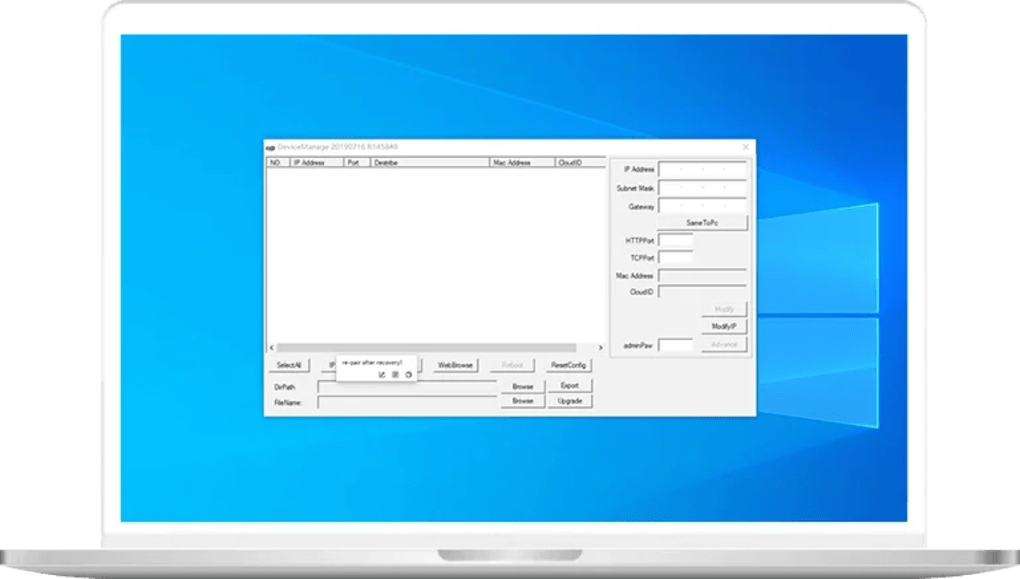
The core promise of XMEye VMS is simplicity in complex surveillance management. Users can enjoy live views of their properties, record video footage for later review, and manage multiple camera feeds from a single screen. However, this powerful functionality comes with specific prerequisites and a learning curve, particularly regarding network configuration and device integration. Understanding these aspects is key to unlocking the full potential of XMEye VMS and establishing a resilient surveillance system. This article delves into the intricacies of XMEye VMS, exploring its features, setup process, advantages, disadvantages, and its overall role in contemporary security strategies, all while ensuring clarity and comprehensive detail for an approximate 1500-word exposition.

Utilities and Tools for Enhanced Surveillance
XMEye VMS stands as a prime example of how software utilities can transform raw data from hardware into actionable intelligence. At its fundamental level, it acts as a central control panel, consolidating disparate video feeds into a single, navigable interface. This goes beyond mere viewing; it’s about efficient management, intelligent recording, and secure access to critical visual information.
The application’s utility stems from its broad compatibility. It supports a triumvirate of prevalent surveillance technologies: IP cameras, DVRs, and NVRs. This versatility is crucial in a market where users often have a mix of older analog systems (managed by DVRs) and newer, high-definition digital systems (IP cameras and NVRs). By bridging these different standards, XMEye VMS ensures that users don’t need multiple software applications to manage their entire surveillance ecosystem. An IP camera, which transmits video data over an IP network, can be integrated alongside a DVR, which processes analog signals from traditional CCTV cameras, and an NVR, which typically manages IP camera footage. This seamless integration means users can consolidate their security infrastructure under one roof, reducing complexity and operational overhead.
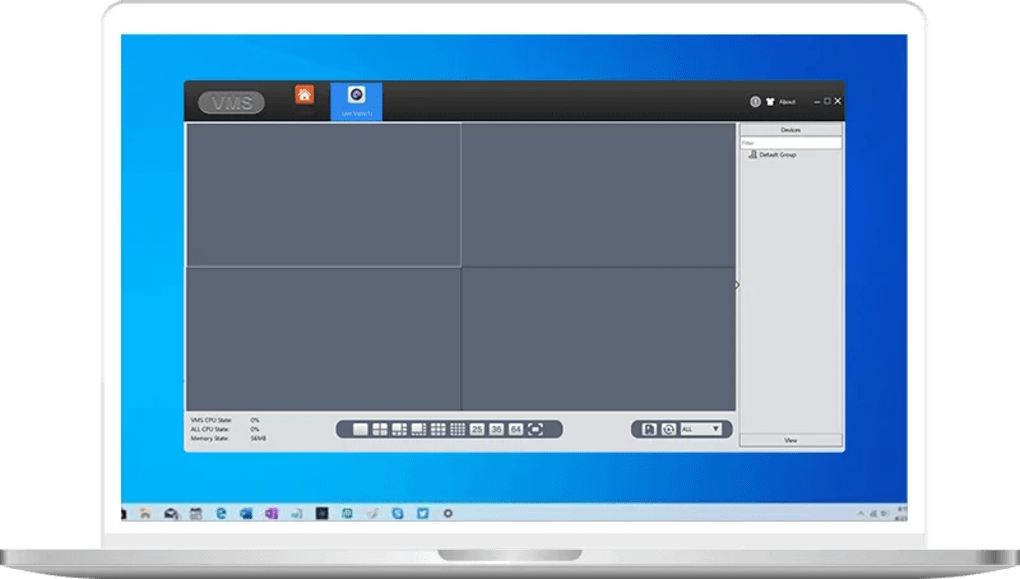
One of the most impressive features for scalability is the ability to connect up to 64 devices concurrently. This capacity is a significant advantage for users with extensive surveillance requirements. Imagine a large retail store needing to monitor multiple aisles, cash registers, and stockrooms, or a manufacturing plant overseeing production lines, entry points, and storage areas. In a residential context, this might translate to monitoring a large property with outdoor perimeter cameras, indoor cameras, and doorbell cameras. The sheer volume of concurrent connections allows for comprehensive coverage without the need for multiple monitoring stations or fragmented software solutions. Each of these 64 feeds can be monitored in real-time, providing an immediate overview of all active surveillance points. The live view functionality is vital for proactive security measures, enabling users to respond instantly to unfolding events.
Beyond live monitoring, XMEye VMS offers crucial video recording capabilities. This feature is fundamental for forensic analysis and evidence collection. The software captures footage, which can then be stored and reviewed at a later date. This is invaluable for investigating incidents, verifying events, or simply reviewing daily operations. The combination of live monitoring and recording transforms XMEye VMS from a mere passive viewer into an active security tool, empowering users with the ability to both observe and document.
However, leveraging these utilities effectively requires understanding the initial setup process. Getting started with XMEye VMS involves a few key steps that, while logical, demand some technical proficiency. After installation, the user must log into their account, which serves as the secure gateway to their surveillance network. Once authenticated, the process of adding devices begins. This is typically done by navigating to a “Device” menu within the system settings, then to a “Zone List,” and finally selecting an “Add Area” option. Areas can be named logically (e.g., “Front Yard,” “Warehouse Section A”) to organize the various cameras. Within each area, the “Add Device” option allows for the integration of cameras. This is where the technical requirement of knowing the device’s IP address comes into play. Users can either manually input these addresses or utilize a search function within the software to discover network-connected devices. The reliance on IP addresses underscores the network-centric nature of modern surveillance and highlights the importance of proper network configuration.
Moreover, the initial installation process itself has specific requirements. PhanMemFree advises that users might need to temporarily deactivate their firewalls and antivirus protection. While common for some software installations that need to establish network connections or modify system files, this step raises critical security considerations that will be explored further. Additionally, the DVR system (if used) must be physically connected to the router via an Ethernet cable, establishing a stable wired network connection for reliable data transmission. These preparatory steps ensure that XMEye VMS can properly establish communication with all connected cameras and its cloud-based services.
Security and Privacy in Remote Monitoring
The promise of remote surveillance, while offering unparalleled convenience and peace of mind, inherently brings significant considerations regarding security and privacy. XMEye VMS, like any software operating within this sensitive domain, has features and requirements that directly impact these aspects. Understanding these implications is crucial for users to deploy the system responsibly and effectively.
One of the most notable security features of XMEye VMS is the encryption of downloaded videos. When footage is retrieved from the system for offline viewing, it is encrypted. This is a vital layer of protection, ensuring that if recorded videos fall into unauthorized hands, they cannot be easily accessed or played back without the correct decryption method. This measure safeguards sensitive information, particularly for businesses handling proprietary data or individuals protecting personal privacy. The flip side, however, is the requirement for a “dedicated media player” to view these encrypted files. This means standard video players (like VLC, Windows Media Player, or QuickTime) will not suffice. While this adds a step to the viewing process and might be seen as an inconvenience, it reinforces the security of the recorded content. Users must ensure they have the specific XMEye VMS player installed on the device where they wish to review the footage, maintaining the integrity of the encryption chain.
A more immediate security concern arises during the installation phase. As noted, the installation of XMEye VMS often necessitates the temporary disabling of antivirus software and firewalls. Antivirus programs are designed to detect and neutralize potential threats, while firewalls control incoming and outgoing network traffic, acting as a barrier against unauthorized access. Temporarily disabling these critical security components, even for a short period, can expose the system to vulnerabilities. While legitimate software like XMEye VMS requires these allowances to configure network settings and install necessary drivers without interference, users must be acutely aware of the risks. It is imperative to reactivate both the antivirus and firewall immediately after installation is complete to restore the system’s protective layers. Failure to do so could leave the computer susceptible to malware, hacking attempts, or other cyber threats. This specific requirement underscores the importance of exercising caution and following installation instructions meticulously.
Beyond the software itself, the broader security of a surveillance system relies heavily on network security practices. Since XMEye VMS connects to IP cameras, DVRs, and NVRs over a network (and potentially through the internet for remote access), the security of that network is paramount. This includes strong, unique passwords for all devices and the XMEye VMS account, regular updates for router firmware, and proper configuration of network settings to prevent unauthorized external access. The use of cloud technologies, while providing flexibility for remote monitoring, also means that data transits over the internet. While XMEye aims to secure this transit, users should always ensure their home or business network is robustly secured.
Privacy is another non-negotiable aspect. The deployment of surveillance cameras, even on private property, raises questions about who has access to the footage, how long it is stored, and for what purposes it is used. XMEye VMS provides the tools for surveillance, but it is the user’s responsibility to adhere to local laws, regulations, and ethical guidelines concerning privacy. This includes informing individuals about surveillance in public-facing areas, avoiding intrusive camera placements, and securely managing recorded data to prevent unauthorized disclosure. For businesses, compliance with data protection acts is crucial. The ability to download and encrypt videos aids in this, but the overall policy and practice of data handling fall to the end-user. Therefore, while XMEye VMS offers powerful security tools, the ultimate security and privacy of the surveillance system rest on a combination of the software’s features, careful user practices, and diligent network management.
Navigating Setup and Network Integration
The initial setup and integration of XMEye VMS into an existing network infrastructure are critical steps that determine the efficacy and reliability of the entire surveillance system. While the software aims to simplify management, the underlying network configurations can present challenges for users without a technical background.
The journey begins with the installation of the XMEye VMS application itself. Once the setup file is downloaded (from a reputable source like PhanMemFree.org), the installation wizard guides the user. As previously highlighted, a critical step during this phase is the temporary disabling of antivirus software and firewalls. This is often necessary for the software to establish core services, open necessary ports, and integrate properly with the operating system without being flagged or blocked by security protocols. While this presents a momentary vulnerability, it is a common requirement for many network-intensive applications. Users must be diligent in reactivating their security measures immediately after installation.
Following successful installation, the focus shifts to configuring the system and adding surveillance devices. XMEye VMS is designed to integrate all connected security cameras into a single interface. The first step involves logging into the user account within the application. This account serves as the central point of control and security for all connected devices.
Once logged in, the process of adding individual cameras, DVRs, or NVRs commences. This is typically done through a dedicated “System” menu, where an option like “Device” or “Device Management” will be available. From there, users navigate to a “Zone List” or similar organizational structure, allowing them to create distinct monitoring zones (e.g., “Main Entrance,” “Perimeter East,” “Living Room”). This hierarchical organization is invaluable for managing a large number of devices, ensuring that footage from different areas can be quickly located and accessed.
Within each created zone, the “Add Device” option becomes available. This is where the core network integration challenge emerges: the requirement for an IP address for each device. An IP address is essentially a unique numerical label assigned to every device connected to a computer network that uses the Internet Protocol for communication. It identifies the device on the network, allowing XMEye VMS to establish a connection and pull video feeds. Users have two primary methods for adding devices:
- Manual Entry: If the user knows the specific IP address, port number, and login credentials (username and password) for a camera, DVR, or NVR, they can input these details directly. This method requires pre-existing knowledge of the device’s network configuration, often obtained through the device’s own setup interface or documentation.
- Network Search/Discovery: XMEye VMS often includes a function to scan the local network for compatible devices. This feature attempts to automatically discover connected IP cameras, DVRs, or NVRs, simplifying the process by populating a list of available devices from which the user can select. Even with automatic discovery, users will typically need to provide the device’s login credentials to establish secure access.
The importance of the network connection cannot be overstated. For DVR systems, it is explicitly mentioned that the device must be connected to the router via an Ethernet cable. This wired connection provides a stable, high-bandwidth link, which is crucial for transmitting continuous video streams without interruption or degradation. While IP cameras can often connect wirelessly via Wi-Fi, a wired connection is always preferred for critical surveillance devices due to its superior reliability, speed, and reduced latency.
Understanding basic networking concepts like IP addresses, port forwarding (if accessing cameras remotely from outside the local network), and router configurations is a significant advantage for XMEye VMS users. While the software abstracts some of the complexity, successfully troubleshooting connection issues or optimizing performance often requires delving into these underlying network settings. For instance, ensuring that devices have static IP addresses (or reservations within the router’s DHCP settings) can prevent issues where device IP addresses change, breaking the connection with XMEye VMS. Thus, XMEye VMS empowers users with powerful surveillance tools, but its effective deployment hinges on a solid grasp of network fundamentals and a willingness to engage with technical configurations.
Multimedia Management: Recording and Playback
At the heart of any effective surveillance system lies its ability to not only display live footage but also to capture, store, and allow for the playback of recorded video. XMEye VMS provides robust multimedia management capabilities, enabling users to transform fleeting visual data into retrievable evidence. However, this functionality comes with its own set of technical considerations, particularly regarding the format and viewing of recorded content.
The primary function of multimedia management in XMEye VMS is video recording. The software continuously records footage from the connected cameras, DVRs, and NVRs, typically storing it on a designated storage medium – often the computer’s hard drive or an attached network storage device. This continuous recording is essential for comprehensive surveillance, ensuring that no critical moments are missed. Depending on configuration, users can often set recording schedules, motion-detection triggers, or manual recording to optimize storage usage and focus on periods of interest. The ability to record video is what distinguishes a passive monitoring system from an active security solution capable of providing historical data and forensic evidence.
The recorded video, as highlighted, is encrypted. This encryption is a critical security feature designed to protect the integrity and privacy of the surveillance footage. In a world where data breaches are increasingly common, ensuring that sensitive video content is secured, even if the storage medium is compromised, offers an essential layer of protection. This encryption prevents unauthorized access and manipulation of the video files, making them more reliable as evidence.
However, the consequence of this encryption is that recorded videos can only be played back using a specific, dedicated media player. This means that standard, widely available media players will not recognize or decrypt the XMEye VMS files. This approach ensures that the encryption key and decryption process are tightly controlled within the XMEye ecosystem. While this enhances security, it introduces a potential inconvenience:
- Exclusive Player Requirement: Users must have the XMEye VMS player installed on any device where they wish to view the recorded footage. This might mean installing it on multiple computers or ensuring the primary monitoring station is always available for playback. It adds a step to the workflow, as files cannot simply be transferred and viewed on any device without the specialized software.
- Compatibility: The reliance on an exclusive player means that if XMEye VMS were ever discontinued or if future operating system updates created compatibility issues with the player, access to historical footage could become problematic. This underscores the importance of regularly backing up critical footage in a universally accessible (unencrypted, if legally permissible and securely stored) format if long-term, independent access is a concern.
- Workflow Integration: For users who might need to share footage with law enforcement or other third parties, the dedicated player requirement can complicate the process. Often, footage needs to be converted into a standard, unencrypted format before it can be widely distributed or used as evidence, which may or may not be directly supported by the dedicated player or could require additional conversion steps.
Despite these nuances, the multimedia management capabilities of XMEye VMS are a cornerstone of its utility. The ability to record, store, and securely access video feeds provides immense value:
- Incident Investigation: In the event of a security breach, theft, or other incident, recorded footage provides undeniable evidence, helping to identify perpetrators and reconstruct events.
- Operational Oversight: Businesses can use recorded video to review operational procedures, identify bottlenecks, monitor employee performance, and ensure compliance with safety regulations.
- Proof and Documentation: For insurance claims or legal disputes, video recordings serve as objective proof of events.
- Remote Review: Users can download and review footage at their convenience, even when not actively monitoring the live feeds, allowing for retrospective analysis and verification.
In summary, XMEye VMS offers robust features for recording and managing surveillance video, with a strong emphasis on security through encryption. While the requirement for a dedicated media player introduces a minor workflow consideration, it is a deliberate design choice aimed at enhancing the confidentiality and integrity of sensitive recorded data. For effective multimedia management, users must be prepared to integrate this dedicated player into their viewing habits and understand the implications for data sharing and long-term archival.
Conclusion
XMEye VMS emerges as a powerful and highly capable free software solution for managing CCTV surveillance systems. Its ability to unify various camera types—IP cameras, DVRs, and NVRs—under a single interface, coupled with its capacity to connect up to 64 devices, makes it an attractive option for both residential and commercial users seeking comprehensive monitoring. The benefits of real-time live views and robust video recording are undeniable, offering users enhanced security and peace of mind.
However, the journey with XMEye VMS is not without its specific challenges. The initial setup requires a degree of technical knowledge, particularly concerning network configuration and IP addressing. Users must be prepared to navigate these complexities, and the temporary disabling of critical security measures like firewalls and antivirus during installation necessitates careful attention and prompt re-activation to avoid exposing the system to vulnerabilities. Furthermore, while the encryption of downloaded video files is a commendable security feature, the reliance on a dedicated media player for playback introduces a minor inconvenience and specific workflow considerations that users must adapt to.
In essence, XMEye VMS offers a high-value proposition for those willing to invest a little effort into its configuration. It provides a robust, centralized platform for overseeing a surveillance network, making it an indispensable tool for efficient security management. Its strengths lie in its versatility and extensive device support, allowing a wide array of existing and new surveillance hardware to be integrated seamlessly. For individuals and businesses committed to safeguarding their properties and assets, XMEye VMS stands out as a formidable utility, bridging the gap between hardware capabilities and user-friendly software control, ultimately empowering them with comprehensive visual oversight. As the landscape of security technology continues to evolve, tools like XMEye VMS will remain pivotal in enabling effective and accessible surveillance for all.


