
Yandere School Simulator is a free-to-play simulation game that has garnered significant attention, both positive and negative, since its release. The game, known for its distinctive anime-inspired art style and unique premise, places players in the role of a high school student determined to win the affections of their crush. However, the path to romance is paved with unconventional – and often morally questionable – choices, leading to a complex and unpredictable gameplay experience. This article will explore various aspects of Yandere School Simulator, delving into its gameplay mechanics, its narrative strengths and weaknesses, its aesthetic appeal, and the controversies surrounding its content.
Gameplay and Mechanics: A Blend of Simulation and Stealth
Yandere School Simulator operates primarily as a simulation game, allowing players considerable freedom within the confines of the school environment. Players navigate the school, interact with a diverse cast of characters, and participate in a range of activities. The core gameplay loop centers around the player’s objective: to eliminate any rivals who might stand in the way of their romantic pursuit. This elimination, however, isn’t achieved through direct confrontation. Instead, the game encourages the use of stealth, manipulation, and even more extreme, albeit fictional, methods.
The game’s mechanics are relatively straightforward, but learning the intricacies of executing successful schemes requires patience and experimentation. Players can interact with objects within the environment, manipulate characters through dialogue options, and utilize various items – some mundane, some distinctly unusual – to further their goals. The level of complexity increases as the player progresses, introducing new characters, rivalries, and challenges that demand more creative solutions.
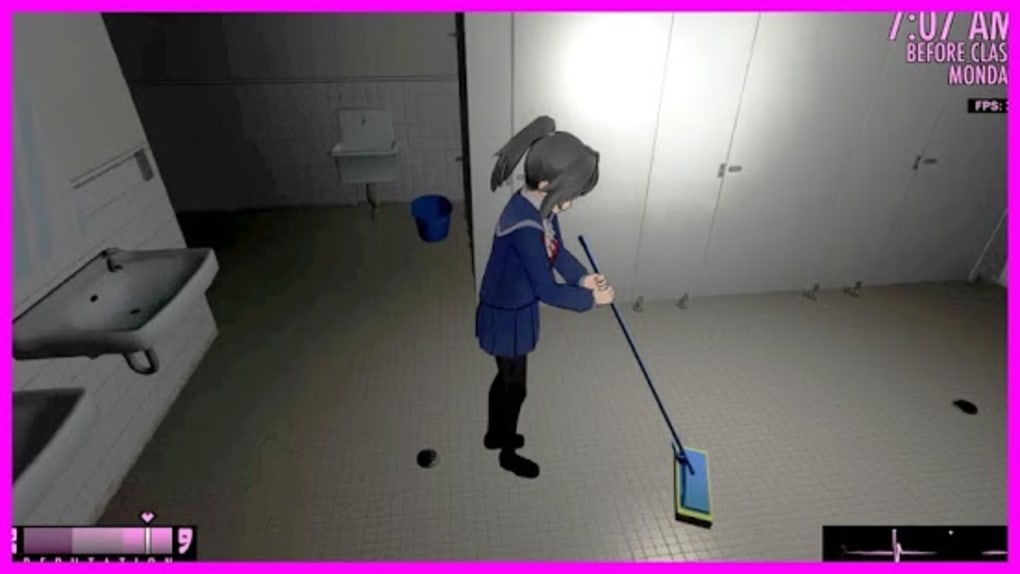
While the core mechanics are intuitive, the game has been criticized for its sometimes clunky controls and lack of responsiveness. Certain actions can feel unwieldy, leading to frustration when attempting precise movements or interactions. This technical aspect of the game, along with its occasional glitches, detracts from the overall player experience and can impede progress.
Narrative and Story: A Complex Web of Relationships and Intrigue
The game’s narrative unfolds organically, responding to player choices and actions. There’s no single linear storyline; instead, the player shapes the narrative through their decisions, creating a unique path each time they play. This branching narrative is a significant strength, offering considerable replayability. However, the depth of the story itself remains a point of contention.
While the game’s premise – a high school student’s obsessive pursuit of love – offers a fertile ground for exploring complex themes of romance, jealousy, and morality, the execution often falls short. The narrative often leans toward melodrama and relies heavily on tropes common in anime and manga, potentially hindering its overall impact on players seeking a more nuanced story. Dialogue can be repetitive or lack emotional weight, diminishing the emotional resonance of significant plot points.
The characters themselves, while visually distinct, often lack the depth and complexity required to fully engage the player. While some rivals are given more distinct personalities than others, many feel like archetypes rather than fully realized individuals, making it difficult for players to truly connect with them.
Visual Style and Presentation: An Anime-Inspired Aesthetic
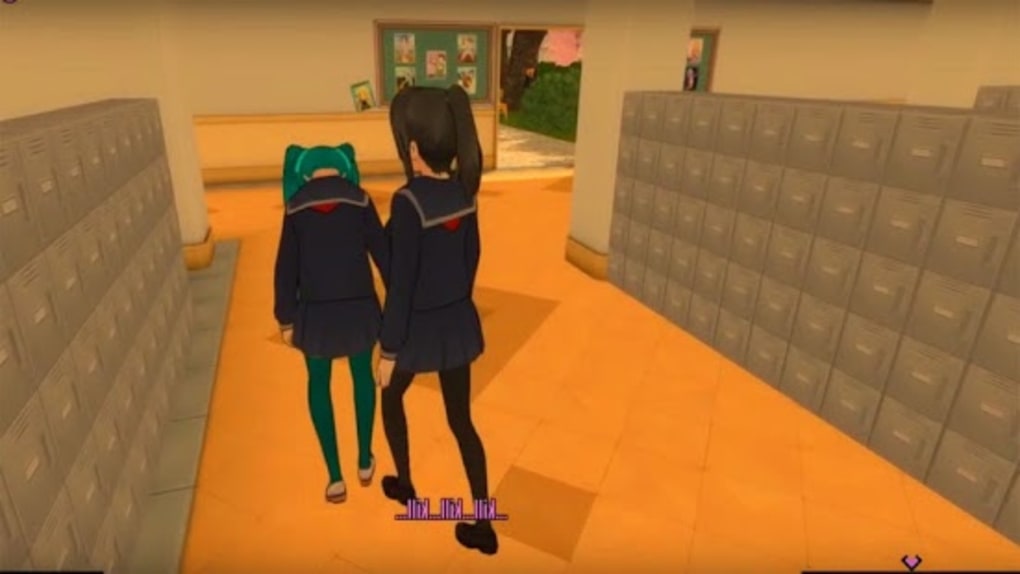
Yandere School Simulator’s visual style is a significant contributor to its appeal. The game adopts a distinctive anime aesthetic, characterized by bright colors, stylized character designs, and exaggerated expressions. This visual style is consistent throughout the game, creating a cohesive and visually pleasing experience. The environments are richly detailed, capturing the atmosphere of a typical Japanese high school, though some areas might appear repetitive or lack originality.
However, the game’s graphics aren’t photorealistic; they are intentionally stylized. The art style successfully evokes the playful, yet sometimes dark, undertones of anime and manga, creating an immersive atmosphere that enhances the overall experience.
Controversies and Criticisms: A Moral Gray Area
Yandere School Simulator has faced significant criticism due to its content. The game’s core gameplay loop – the elimination of rivals – often involves actions that are violent or disturbing. While the game is fictional and does not depict graphic violence, the thematic elements have raised concerns among critics and parents. The game’s portrayal of obsessive love and the methods employed to achieve romantic goals can be seen as potentially harmful or insensitive.
This morally gray area is a key aspect of the game’s controversial nature. While some may find the dark humor and over-the-top scenarios entertaining, others may find the content unsettling or even offensive. The game’s lack of explicit warnings about its potentially disturbing themes further exacerbates this concern. The debate surrounding the game’s suitability for certain audiences continues to be a significant talking point.
Conclusion: A Flawed but Fascinating Experience
Yandere School Simulator is a complex and multifaceted game that doesn’t shy away from pushing boundaries. Its distinctive anime-inspired art style and unique premise are undeniable strengths, creating an engaging and immersive experience for many players. However, the game’s shortcomings in terms of gameplay mechanics, narrative depth, and potentially problematic content cannot be overlooked.
The game’s clunky controls and repetitive aspects can hinder enjoyment, and the morally ambiguous themes may alienate certain players. Despite these flaws, Yandere School Simulator remains a fascinating case study in game design, offering a compelling blend of simulation, stealth, and dark humor. Whether or not the game is enjoyable ultimately depends on individual preferences and tolerances for its controversial aspects. Its value as a unique, albeit imperfect, entry in the simulation genre is undeniable. Players should approach the game with a critical eye, aware of its limitations and potentially disturbing elements.
File Information
- License: “Free”
- Version: “4”
- Latest update: “April 15, 2025”
- Platform: “Android”
- OS: “Android 4.3”
- Language: “English”
- Downloads: “117.8K”
- Size: “16.79 MB”
- Download Options: “APK, Google Play”
- Filename: “Yandere_School_simulator_v4.apk”


