
Yandere Simulator is a unique and highly controversial sandbox game that parodies various anime tropes and clichés. Developed as a solo project by YandereDev, the game has garnered a significant following—and a considerable amount of criticism—for its distinct gameplay mechanics and mature themes. While still under development and receiving regular updates, it offers players a darkly comedic and often unsettling experience within a high school setting.
The Premise: Obsessive Love and Deadly Consequences
At its core, Yandere Simulator revolves around the player controlling Ayano Aishi, a seemingly sweet and innocent high school girl known as “Yandere-chan.” Ayano harbors a deep, obsessive love for her senpai (a senior student), and she will stop at nothing to ensure he falls in love with only her. This love, however, is far from innocent; it quickly descends into violent acts of sabotage, intimidation, and even murder to eliminate any potential rivals for her senpai’s affection.
The game’s premise presents a twisted take on the classic love story, replacing the heartwarming romance with a dark and disturbing narrative fueled by Ayano’s escalating psychosis. While the game might initially appear lighthearted in its presentation of a typical high school environment, the underlying narrative reveals a far more complex and unsettling exploration of obsession, jealousy, and the consequences of unchecked infatuation. The player is tasked with navigating the delicate balance between maintaining a façade of normality while secretly eliminating Ayano’s romantic competition, leading to a unique gameplay experience that blends stealth, strategy, and sometimes shocking acts of violence.
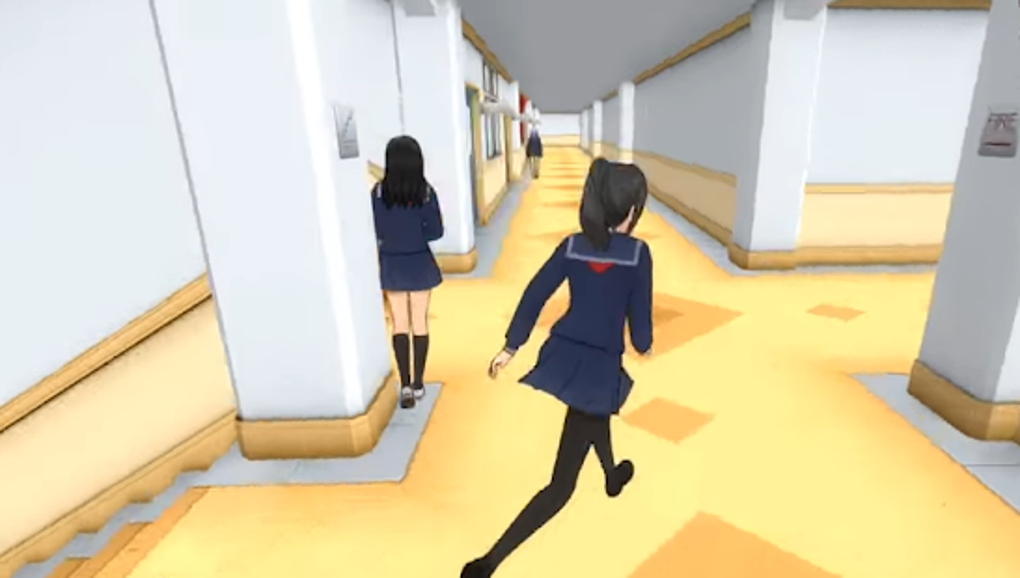
Gameplay Mechanics: Stealth, Sabotage, and Murder
Yandere Simulator is designed as an open-world sandbox game, allowing players a degree of freedom in how they approach the elimination of rival students. While the primary goal is to maintain Ayano’s image as a normal student while subtly eliminating competition, the methods available to achieve this are surprisingly varied. Players can choose from a range of strategies, including:
-
Sabotage: Ruining the reputations of rival girls through spreading rumors, tampering with their belongings, or manipulating social interactions within the school. This approach allows for less violent methods of eliminating competition, maintaining a semblance of normalcy, and avoiding direct confrontation.
-
Stealth and Infiltration: Players can utilize the environment to their advantage, employing stealth mechanics to avoid detection while carrying out more extreme actions. This requires careful planning, precise timing, and a keen understanding of the school’s layout and the routines of other students and staff.
-
Direct Confrontation (and Elimination): The game provides various options for more extreme measures, including using weapons and disposing of bodies to eliminate rival students permanently. This aspect of the game has been a major source of both its popularity and criticism.
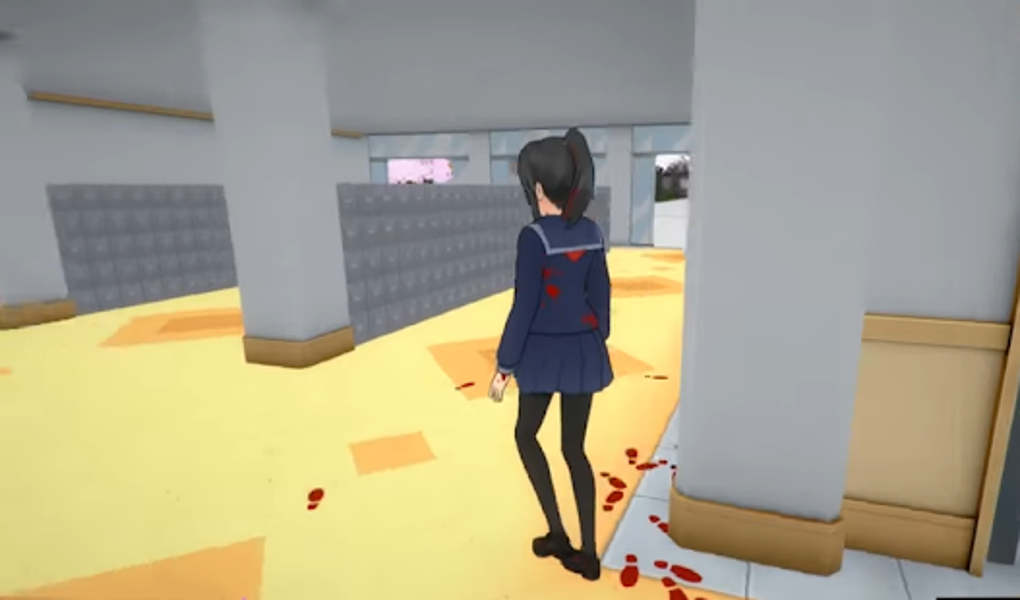
The complexity of the gameplay stems from the need to balance Ayano’s actions against the ever-present risk of discovery. Witnesses need to be dealt with, evidence needs to be concealed, and a carefully maintained facade of normalcy must be preserved to avoid the suspicion of teachers, security personnel, and ultimately the police. The game’s difficulty lies not only in successfully eliminating rivals but also in ensuring Ayano avoids being caught, highlighting the consequences of her actions and the constant pressure of maintaining her charade.
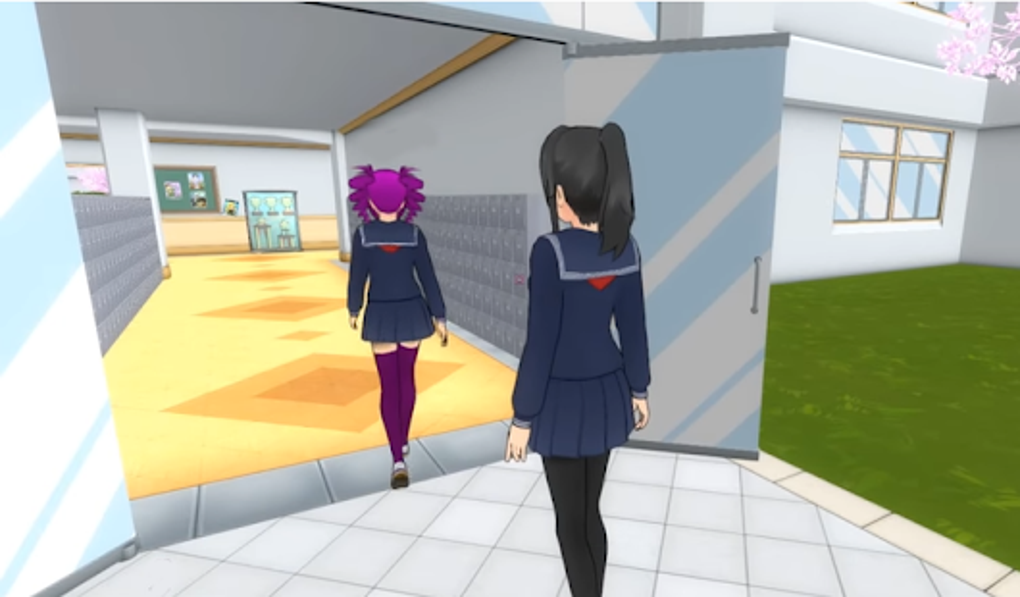
The game also features a meticulously crafted school environment, allowing players to explore various locations and interact with a range of other characters, each with their own unique routines and personalities. This adds to the immersion, making the act of planning and executing actions feel more strategic and engaging. This level of detail further enhances the experience, but also adds to the potential complexity of navigating the game’s intricate systems.
Visual Style and Presentation: Anime Aesthetics and Dark Humor
Yandere Simulator adopts a distinctive anime-inspired art style, with vibrant colors and exaggerated character designs typical of the genre. The game’s graphics, while not photorealistic, are detailed enough to create a believable school environment. This aesthetic approach contributes significantly to the game’s overall atmosphere, allowing for a unique blend of dark humor and unsettling scenarios within a visually appealing context.
The juxtaposition of the bright, colorful visuals with the game’s dark and violent themes creates a compelling and sometimes unsettling contrast. This stylistic choice adds to the game’s overall impact, making the violent aspects of the gameplay all the more jarring and memorable. Despite its cartoonish look, the game doesn’t shy away from portraying the consequences of Ayano’s actions, further enhancing the overall impact of the player’s decisions and actions.
Criticism and Controversy: Mature Themes and Development Concerns
Despite its popularity, Yandere Simulator has faced considerable criticism due to its mature themes and controversial gameplay mechanics. The game’s focus on violence, murder, and the disturbing portrayal of obsessive love has drawn concerns from various sources. The graphic nature of some of the actions and the potential normalization of violence have led to criticism from parents, educators, and gaming communities.
Furthermore, the game’s extended development cycle, with the game remaining in an early access state for years, has also been a source of controversy. While updates continue to add new content and refine existing mechanics, the lengthy development process has led to frustration among some fans, with questions raised regarding the overall direction and final release of the game. This extended period has allowed the game to attract a significant audience, but it has also led to much speculation and debate about the game’s overall progress and future.
The Ongoing Development and Future Updates
Despite the criticism, YandereDev continues to work on Yandere Simulator, releasing regular updates that introduce new characters, storylines, and gameplay features. These updates often aim to address bugs, improve performance, and expand the game’s overall content. The consistent stream of updates, though sometimes slow, demonstrates the ongoing commitment to refining and completing the game. However, the unpredictable nature of this update cycle and the long-term uncertainty remain a concern for some.
The addition of new characters, such as Amai and Kizana (mentioned in the original text), signifies the ongoing expansion of the narrative and the potential for the introduction of new gameplay challenges and scenarios. These expansions not only add to the replayability but also increase the potential for new strategic approaches and different ways to approach the overall objective.
Conclusion: A Unique and Unsettling Experience
Yandere Simulator is a complex and controversial game, one that simultaneously draws players in with its intriguing premise and unique gameplay mechanics while repelling others due to its graphic content and mature themes. It’s a game that doesn’t shy away from exploring difficult subjects, offering a potentially unsettling and thought-provoking experience for those willing to engage with its darker aspects. While its continued development and eventual completion remain to be seen, its impact on the gaming landscape is undeniable, prompting crucial discussions about the depiction of violence and obsession in interactive entertainment. It is important to approach this game with a critical eye, considering its potentially disturbing elements and acknowledging the controversy surrounding both its content and its development.
File Information
- License: “Free”
- Latest update: “June 19, 2024”
- Platform: “Android”
- OS: “Android 4.3”
- Language: “English”
- Downloads: “549.5K”
- Size: “27.71 MB”
- Download Options: “APK, Google Play”
- Filename: “Yandere_Simulator_High_School_Simulator_v2.0.apk”


