In an increasingly interconnected digital world, the need for robust online security and privacy tools has never been more critical. Virtual Private Networks (VPNs) have emerged as a primary solution, offering users the ability to encrypt their internet traffic, mask their IP addresses, and bypass geographical restrictions. Among the myriad of VPN services available, some stand out due to their origins or their unique value proposition. YandexVPN, a free utility from the Russian tech giant Yandex, presents itself as one such solution, promising safe and anonymous browsing without a subscription fee. But does it deliver on its promise, and what are the trade-offs involved in opting for a “free” service from a company with a complex reputation?
This extensive review delves into YandexVPN, examining its features, user experience, performance, and, most importantly, its approach to user data privacy. We aim to provide a detailed understanding for potential users considering this particular VPN for their Windows, Android, Mac, or iPhone devices.
Understanding YandexVPN: More Than Just a Free Proxy
YandexVPN is introduced as a convenient and easy-to-set-up virtual private network, designed to enable users to enjoy safe and anonymous browsing. It’s positioned as a tool that not only provides standard proxy server capabilities but also facilitates unrestricted streaming and gaming. The allure of a free service is undeniable, especially in a market increasingly dominated by subscription-based VPNs. However, the term “free” often comes with caveats, and YandexVPN is no exception, primarily in the form of frequent advertisements and contentious claims regarding user data.
The Core Promise: Secure Browsing and Geo-Unlocking
At its heart, YandexVPN aims to fulfill the fundamental functions expected of any VPN service. These include:
- Anonymity and IP Masking: One of the primary reasons users turn to VPNs is to conceal their true IP address. By routing traffic through a server in a different location, YandexVPN effectively masks the user’s real IP, making it harder for websites, advertisers, and even internet service providers (ISPs) to track their online activities back to their actual location. This enhances privacy, making the user’s digital footprint less traceable and reducing the risk of targeted surveillance or data collection by third parties. For individuals concerned about their online identity, this feature is foundational.
- Bypassing Geo-Restrictions: The internet, while global, is often fragmented by geographical content barriers. Streaming services like Netflix, Amazon Prime Video, and others, as well as certain websites and online games, frequently restrict access based on a user’s physical location. YandexVPN, like other VPNs, purports to circumvent these restrictions. By connecting to one of its many servers located around the world, users can effectively “trick” geo-blocked services into believing they are accessing content from an approved region. This opens up a vast world of entertainment and information that might otherwise be inaccessible, catering to both casual streamers and international gamers looking to connect to specific regional servers. The promise of unlocking content from various global versions of popular streaming platforms is a significant draw, allowing users to experience a richer and more diverse online experience.
- Data Encryption: While not explicitly detailed in the brief, a fundamental aspect of any secure VPN is the encryption of internet traffic. When a user connects to a YandexVPN server, their data theoretically travels through an encrypted tunnel. This encryption safeguards sensitive information—such as login credentials, financial details, and personal communications—from eavesdropping by malicious actors, including hackers on public Wi-Fi networks or determined government agencies. Without robust encryption, a VPN’s promise of security would be largely hollow.
YandexVPN’s ease of use is often highlighted as a significant advantage. The streamlined interface, often featuring a large ON/OFF switch, simplifies the connection process, making it accessible even for those who are not tech-savvy. This contrasts with some more complex VPN clients that might overwhelm new users with an array of settings and protocol choices. The ability to quickly connect to a recommended server or select from a list of over a hundred locations provides flexibility, catering to users who prioritize simplicity as well as those who need specific geographic access.
From Search Giant to VPN Provider: The Yandex Ecosystem
YandexVPN comes from the Yandex team, a name that resonates significantly within the Russian-speaking internet community. Yandex has long been recognized as the principal alternative to Google in Russia and several other post-Soviet countries. Its ecosystem is vast, encompassing a popular search engine, email services, cloud storage, mapping applications, ride-hailing, e-commerce, and various other internet services. This broad operational scope means Yandex has extensive experience in managing large-scale online infrastructure and user data.
The decision for a company like Yandex to venture into the VPN market is understandable. It aligns with their broader mission to provide comprehensive digital solutions to their user base. However, this background also introduces specific considerations, particularly regarding trust and data privacy. A company operating within a specific national jurisdiction, especially one known for its intricate relationship between government and technology firms, inevitably raises questions about data handling practices and potential government access to user information. While YandexVPN explicitly states a commitment to data safety by not collecting user information, the historical context and various third-party reports suggest a more nuanced reality, prompting users to exercise additional caution. This dichotomy between stated policy and perceived reality forms a critical point of analysis for YandexVPN.
Navigating the User Experience: Simplicity vs. Intrusions
The user experience of a VPN service is a critical factor in its adoption and daily use. A VPN can boast the strongest encryption and the fastest speeds, but if it’s cumbersome to install or difficult to operate, its appeal diminishes rapidly. YandexVPN attempts to strike a balance, prioritizing ease of use, but this simplicity, particularly in a “free” model, can come with its own set of trade-offs.
Installation, Interface, and Server Selection
One of the standout features of YandexVPN, as highlighted by various reviews, is its straightforward installation process. The application is typically light on system resources and can be downloaded and installed quickly across a range of operating systems, including Windows, Android, Mac, and iPhone. This broad compatibility ensures that a wide demographic of users can access the service, irrespective of their preferred device.
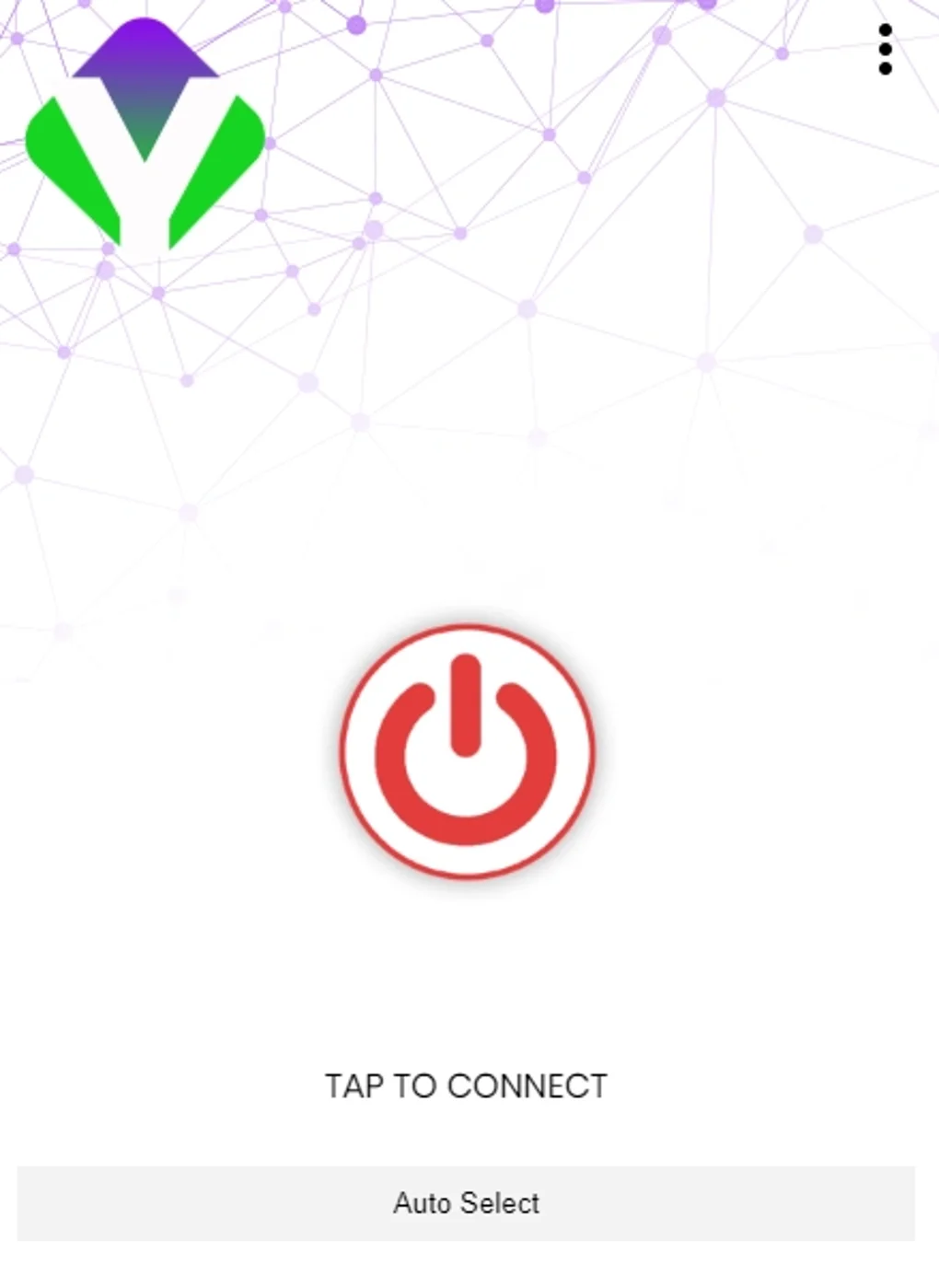
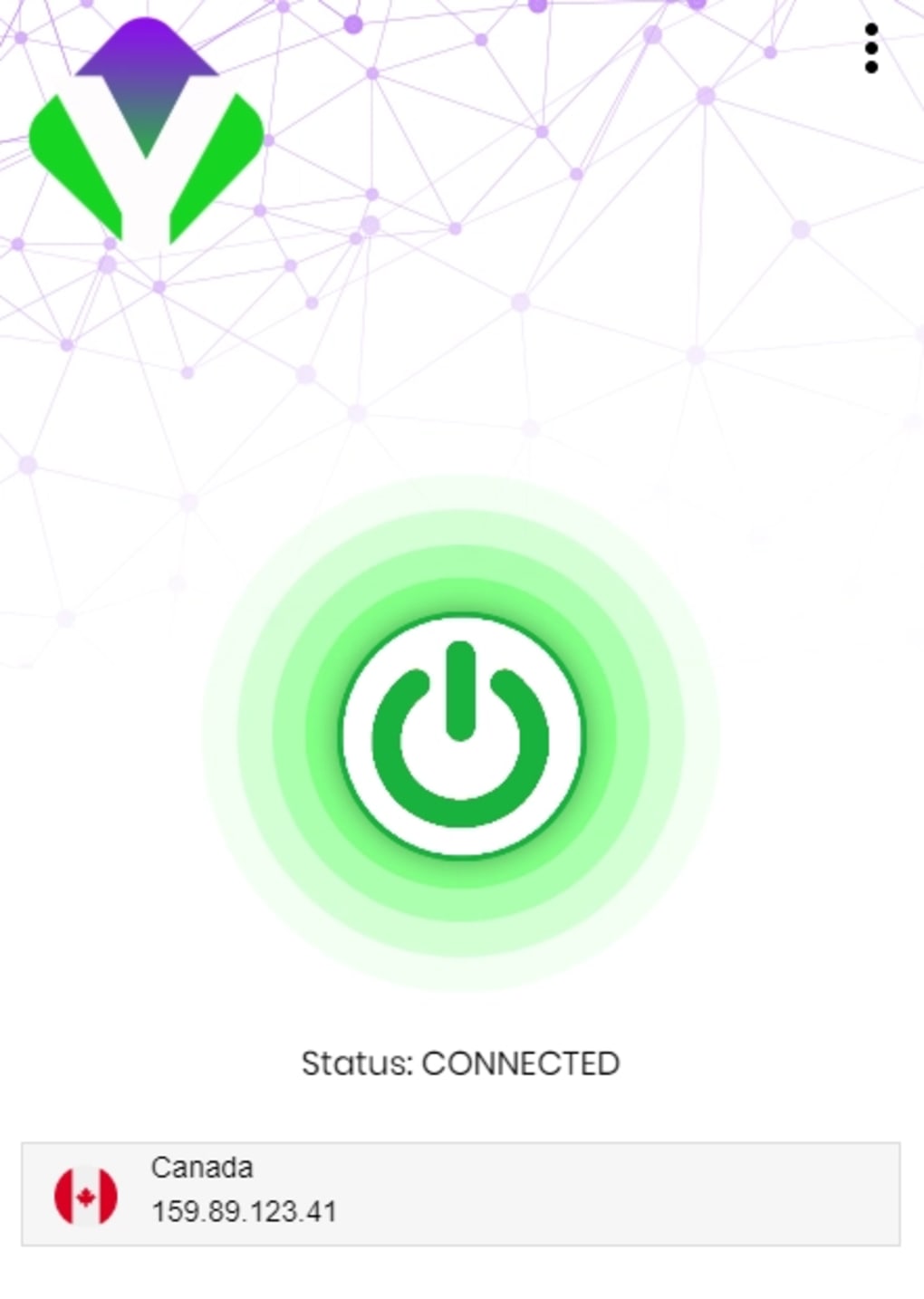
Upon launching the application, users are greeted with an intuitive and minimalist interface. For those who prioritize immediate connection without delving into specific server locations, YandexVPN offers a prominent “ON/OFF” switch, often located centrally on the home screen. Toggling this switch instantly connects the user to the app’s recommended server, which is usually optimized for speed and proximity. This “quick connect” feature is ideal for casual browsing, providing instant anonymity and basic geo-unblocking with minimal effort.
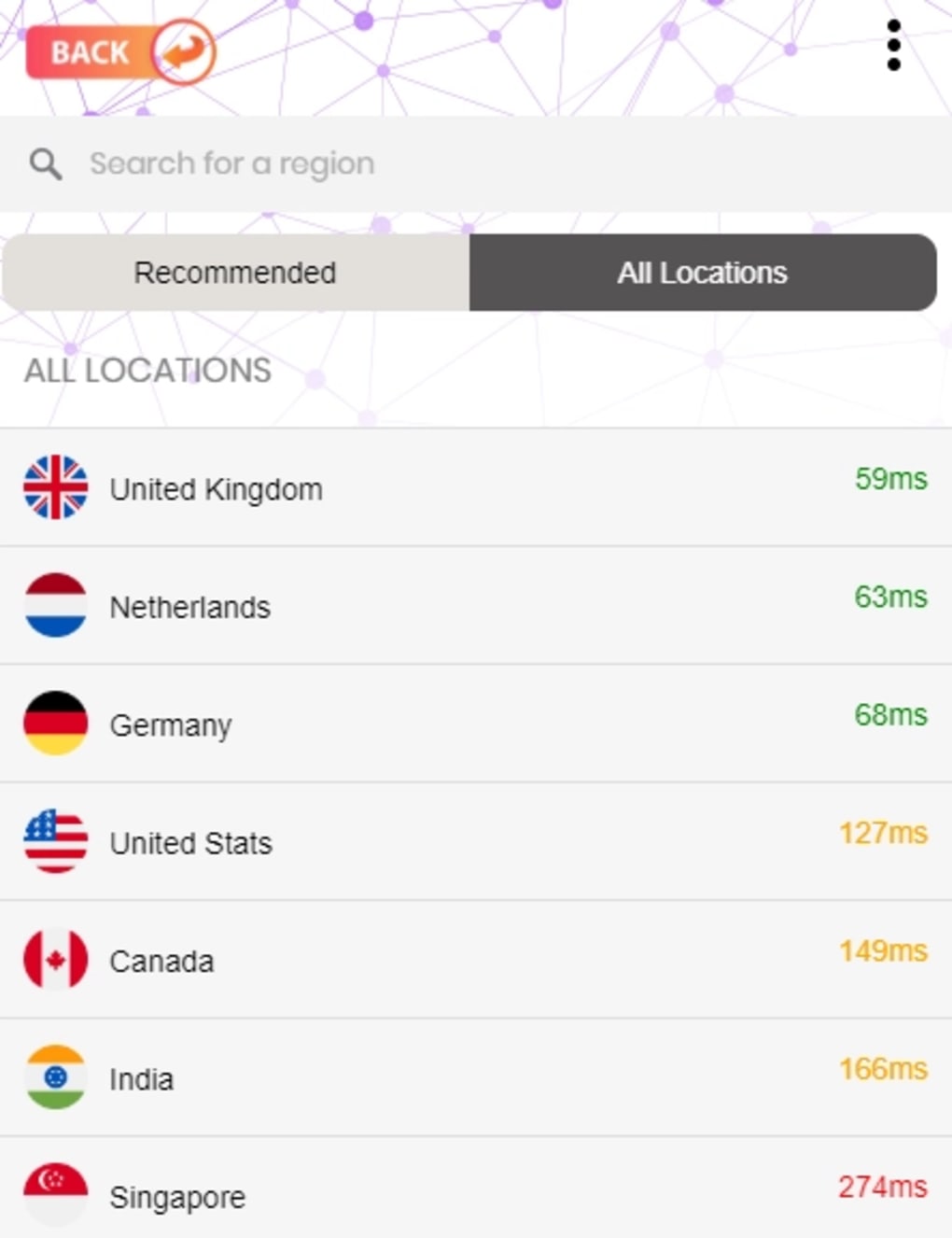
However, for users with more specific needs—such as accessing content from a particular country or optimizing for gaming servers in a specific region—YandexVPN provides a more granular control. Through the “All Locations” tab or a similar menu option, users can browse and select from a network of over a hundred server locations worldwide. This extensive list allows for strategic server choice, enabling users to bypass geo-restrictions effectively and potentially reduce latency for specific online activities. The ability to switch between servers with relative ease adds to the flexibility and utility of the service.
The Cost of “Free”: Advertisements and Potential Performance Trade-offs
While the ease of use and extensive server network are definite advantages, YandexVPN’s “free” nature inevitably introduces some compromises. The most prominent of these, as frequently reported, is the prevalence of advertisements. Unlike premium VPN services that rely on subscription fees for revenue, free VPNs often monetize their user base through various means, with advertising being a common strategy.
In the case of YandexVPN, users can expect frequent ads, which may appear at the beginning or end of a VPN session, and potentially at other intermittent points. While the exact frequency might vary and they might not appear consistently during active use, the presence of these ads can disrupt the user experience, particularly for those accustomed to an ad-free browsing environment. For many, these intrusions represent the tangible “cost” of using a service without direct financial payment. The impact of these ads extends beyond mere annoyance; they can also consume bandwidth and processing power, potentially leading to slight dips in perceived performance, especially on less powerful devices or slower internet connections.
Beyond ads, free VPNs often face other performance limitations compared to their paid counterparts. These can include:
- Bandwidth Throttling: To manage server load and encourage upgrades to premium tiers (if offered), free VPNs might impose bandwidth caps or throttle connection speeds. While YandexVPN is reported to rank among the best in terms of performance and reliability for various applications, it’s a general characteristic of free services to have less dedicated bandwidth per user.
- Fewer Server Options/Overcrowding: While YandexVPN boasts over a hundred server locations, the quality and dedicated resources for each server might vary. Free servers tend to be more congested due to a larger user base, which can lead to slower speeds and less stable connections, especially during peak usage times.
- Limited Features: Premium VPNs often offer advanced features such as kill switches, split tunneling, ad blockers, and specialized servers (e.g., for torrenting or streaming). Free VPNs, including YandexVPN, typically provide only the core VPN functionality, lacking these additional layers of security and convenience.
Therefore, while YandexVPN excels in user-friendliness and initial accessibility, users must weigh these benefits against the potential interruptions from ads and the general characteristics of a free service, which might not always match the performance and feature set of a paid VPN.
The Elephant in the Room: Data Privacy and Trust
Perhaps the most critical aspect of any VPN service, especially a free one, is its stance and practices regarding user data privacy. A VPN’s primary function is to enhance privacy, and any compromise in this area undermines its very purpose. YandexVPN’s approach to data privacy is particularly contentious, raising significant concerns that potential users must thoroughly consider.
Unpacking YandexVPN’s Stance on User Data
YandexVPN explicitly claims to prioritize user data safety by not collecting user information. This is a crucial statement for any VPN, often referred to as a “no-logs” policy. A true no-logs VPN means that the service does not record user activity (such as websites visited, files downloaded, or connection timestamps), thereby ensuring that no identifiable data can be linked back to an individual, even if compelled by legal authorities.
However, these claims are met with skepticism from various third-party reports and observers. There have been previous allegations of data harvesting associated not only with YandexVPN but also with the broader Yandex search engine ecosystem. These reports suggest that, contrary to its stated policy, user data might indeed be collected. The nature of this data collection, whether it involves personally identifiable information, aggregated usage statistics, or other forms of digital telemetry, remains a significant point of contention.
For a VPN service, the integrity of a no-logs policy is paramount. If a VPN collects logs, even anonymized ones, it creates a potential vulnerability. This data could theoretically be accessed by the company itself, shared with third parties for advertising or analytical purposes, or compelled by government requests. When a free VPN claims “no-logs” but is then contradicted by external reports, it creates a significant trust deficit. Users are effectively asked to take the service provider at its word, even when independent analyses suggest otherwise.
The Broader Implications of a Russian-Based VPN
The developer background of YandexVPN—being a product of the Russian tech giant Yandex—adds another layer of complexity to the data privacy discussion. The geopolitical landscape and the regulatory environment in Russia are distinct from those in many Western countries. Russian laws, particularly those related to data retention and government access to user data (such as the “Yarovaya Law”), are known to be stringent and grant authorities considerable power to access data held by technology companies operating within the country’s jurisdiction.
Even if YandexVPN technically adheres to an internal “no-logs” policy, the legal framework under which it operates might compel the company to:
- Collect and Store Data: Mandating the logging of user activity, even if only temporarily.
- Provide Backdoors: Requiring the implementation of mechanisms for government agencies to access encrypted traffic or user data directly.
- Comply with Demands: Forcing the company to hand over any existing user data or real-time connection information upon request, even without public disclosure.
This context transforms the discussion from a simple “does it log?” question into a more profound “can it be compelled to log or provide data, regardless of its stated policy?” For users prioritizing privacy and anonymity, especially those operating in sensitive environments or seeking to bypass government surveillance, the origin of a VPN provider is a critical consideration. A VPN based in a jurisdiction with less favorable data protection laws or significant government oversight may not offer the same level of security and peace of mind as one based in a privacy-friendly country.
Therefore, while YandexVPN presents itself as a tool for security and anonymity, its background and the persistent reports of undisclosed data harvesting necessitate extreme caution. Users must perform their own diligence and understand the potential risks associated with entrusting their internet traffic to a service under such scrutiny, particularly when the very entity promising protection is simultaneously accused of violating trust.
Performance, Reliability, and Alternatives
Beyond privacy concerns, the practical utility of a VPN hinges on its performance and reliability. A VPN needs to be fast enough for everyday tasks, stable enough to maintain a consistent connection, and robust enough to handle various online activities without significant degradation. YandexVPN, despite its caveats, has garnered positive remarks regarding its operational efficiency. However, it’s also crucial to understand how it stacks up against the broader market of VPN services, both free and paid.
Evaluating Speed and Stability Across Applications
In terms of raw performance, YandexVPN surprisingly often ranks quite well among its peers, particularly among free VPN services. It is reported to be reliable for different applications, whether the objective is unblocking geo-restricted websites, facilitating smoother online gaming by connecting to specific regional servers, or supporting general browsing and streaming.
- Speed: A critical metric for any VPN is its impact on internet speed. While all VPNs introduce some degree of overhead due to encryption and server routing, a good VPN minimizes this effect. For YandexVPN, its performance seems capable of supporting most users’ needs, allowing for relatively fast downloads, smooth streaming of high-definition content, and responsive online gaming. This suggests that YandexVPN’s infrastructure, or at least the resources allocated to its free tier, are reasonably robust.
- Stability: A reliable VPN maintains a consistent connection without frequent drops or disconnections. YandexVPN’s reported stability is a significant advantage, ensuring that users can engage in extended online sessions—be it for work, entertainment, or communication—without the frustration of intermittent connectivity loss. This stability is particularly valuable for activities like video conferencing, large file transfers, or competitive online gaming, where disconnections can be highly disruptive.
- Application Versatility: The service’s ability to seamlessly support a range of applications, from streaming Netflix and Amazon Prime Video to switching game servers, underscores its functional breadth. This versatility makes it an attractive option for users who engage in diverse online activities and require a VPN that can adapt to different demands without specialized configuration.
However, it’s important to frame this performance within the context of a free service. While “among the best” for free VPNs, it may still not match the peak performance of top-tier premium VPNs which invest heavily in high-speed servers, optimized protocols, and dedicated bandwidth. Premium services often offer more consistent speeds, lower latency, and greater resilience against network congestion due to fewer users per server.
Weighing YandexVPN Against Other Free and Paid Options
The market for VPNs is highly saturated, offering a wide spectrum of choices from completely free services to high-end premium subscriptions. YandexVPN operates in this crowded space, and understanding its position relative to alternatives is crucial for an informed decision.
Compared to other free VPNs: The original content mentions YandexVPN works “like iTop VPN or Turbo VPN.” These are also popular free VPNs that share common characteristics:
- Similar Trade-offs: Many free VPNs, including iTop VPN and Turbo VPN, often come with advertisements, potential data logging, limited features, and sometimes slower speeds or bandwidth caps as a trade-off for zero cost.
- Monetization Models: Beyond ads, some free VPNs might engage in questionable monetization practices, such as selling user data or injecting malware. While YandexVPN’s issues seem primarily related to ads and alleged undisclosed data harvesting rather than outright malware, it highlights the need for vigilance when using any free service.
- Performance Variability: Performance among free VPNs can be highly inconsistent. YandexVPN’s reported reliability places it favorably in this category, suggesting a more consistent user experience than some of its less optimized free counterparts.
Compared to premium VPNs: The distinction between YandexVPN and paid services like F-Secure FREEDOME VPN, Planet VPN (which also offers a free tier but positions itself with robust privacy features), or even subscription-based RoboVPN, is stark:
- Privacy and Trust: Premium VPNs often have transparent no-logs policies, independent audits, and operate from privacy-friendly jurisdictions. They rely on subscriptions, removing the incentive to monetize user data or bombard users with ads. This fundamental difference is critical for users whose primary concern is ironclad privacy.
- Advanced Features: Paid VPNs typically offer a richer feature set, including kill switches (to prevent IP leaks if the VPN connection drops), split tunneling (to route some traffic outside the VPN), dedicated IP addresses, specialized servers (e.g., P2P optimized, obfuscated servers), and enhanced security protocols.
- Superior Performance: With dedicated resources and fewer users per server, premium VPNs generally provide faster, more consistent speeds and greater stability, making them ideal for demanding activities like 4K streaming, large file transfers, and competitive online gaming.
- Customer Support: Paid services usually offer dedicated 24/7 customer support, a feature often absent or minimal in free VPNs.
While YandexVPN offers a compelling package of ease of use and good performance for a free service, its inherent limitations—particularly the intrusive ads and, more critically, the data privacy concerns stemming from its corporate background and reported practices—necessitate a careful evaluation. For casual users prioritizing simplicity and cost-effectiveness for basic geo-unblocking, it might seem sufficient. However, for anyone with serious privacy needs, who values an uninterrupted experience, or who requires top-tier performance for demanding online activities, exploring reputable paid alternatives or free VPNs with a demonstrably stronger commitment to user privacy would be a far more prudent approach. The choice ultimately depends on an individual’s specific needs, risk tolerance, and the perceived value of privacy versus cost.
Final Verdict: Is YandexVPN the Right Choice for You?
YandexVPN presents a dichotomy that many free software solutions embody: convenience and accessibility versus potential hidden costs and compromises. On one hand, it offers a remarkably easy-to-use interface, quick connection features, and access to a decent network of over a hundred server locations, all without a direct financial outlay. Its reported reliability for various applications, from unblocking streaming content to enhancing gaming experiences, makes it a tempting proposition for the average internet user.
However, the “free” model comes with significant strings attached, which, for YandexVPN, manifest primarily as frequent advertisements and, more critically, persistent questions surrounding user data privacy. While the service claims not to collect user information, third-party reports and Yandex’s operational context within Russia suggest that additional diligence is required. The possibility of undisclosed user data harvesting, even without explicit disclosure, casts a long shadow over its utility as a privacy tool.
Pros:
- Easy to install and use: The intuitive interface and one-click connect feature make it highly accessible for all user levels.
- Supports quick connect and server selection features: Offers both immediate connection to an optimal server and the flexibility to choose from a wide range of locations.
- Has over a hundred server locations: A robust server network for a free VPN, enabling effective geo-restriction bypass.
- Good performance: Reported reliability and adequate speeds for streaming, gaming, and general browsing.
Cons:
- Features a lot of ads: Frequent interruptions can degrade the user experience.
- Reports of undisclosed user data harvesting: This is the most significant concern, directly impacting the core promise of a VPN for privacy. The developer’s background further amplifies these concerns.
Ultimately, YandexVPN can be seen as a functional, accessible, and generally reliable VPN for users whose primary goal is casual geo-unblocking or basic IP masking, and for whom the occasional ad and potential privacy risks are acceptable trade-offs for a free service. It is suitable for those who aren’t handling highly sensitive information and merely want to access region-locked content or browse without their IP address being immediately visible.
However, for users who prioritize stringent online privacy, seek a truly ad-free experience, or deal with sensitive personal or professional data, YandexVPN might not be the most prudent choice. The platform’s reputation regarding data harvesting, even without proper disclosure, necessitates caution. In such cases, investing in a reputable paid VPN service with transparent no-logs policies, independent audits, and a strong commitment to user privacy would be a more secure and reliable option. Alternatives like F-Secure FREEDOME VPN, Planet VPN, or any of the highly-rated premium VPNs offer a greater peace of mind and often superior performance, albeit at a cost.
Use with extra care. The regulatory environment surrounding VPNs varies significantly from country to country. Users are solely responsible for ensuring their use of YandexVPN complies with all applicable local, national, and international laws. PhanMemFree does not encourage or condone the use of this program if it violates any legal statutes. Any unlawful behavior using this software is strictly prohibited.
File Information
- License: “Free”
- Version: “2.0.1”
- Latest update: “January 20, 2023”
- Platform: “Windows”
- OS: “Windows 7”
- Language: “English”
- Downloads: “2.8K”
- Size: “90.96 MB”