
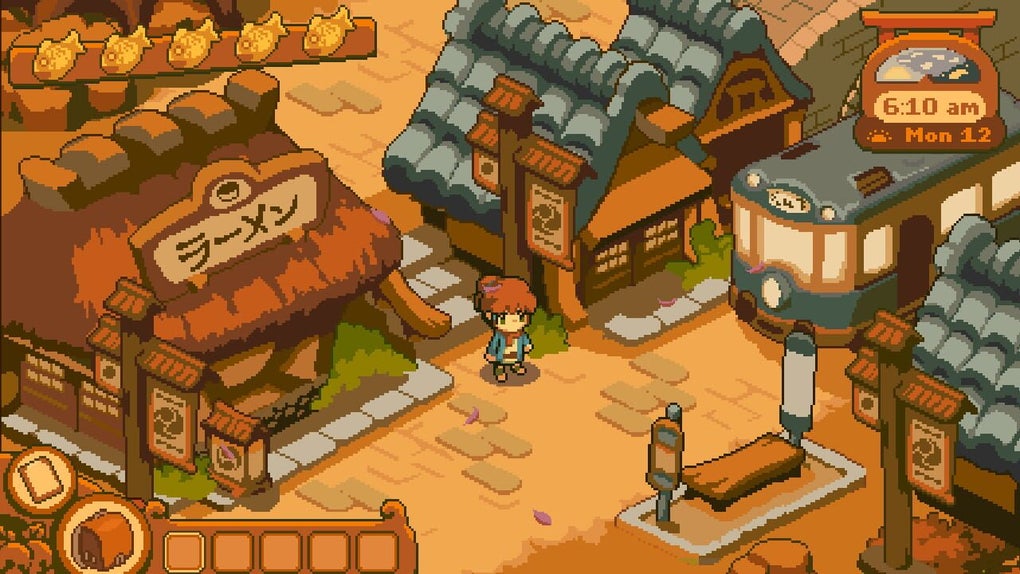
In the tranquil depths of a mystical world, where the veil between the mundane and the supernatural thins, lies an enchanting establishment known as Yokai Inn. This captivating slice-of-life simulation game, available for Windows, invites players to step into the shoes of an innkeeper charged with the extraordinary task of managing a traditional Japanese inn exclusively for yokai—Japan’s beloved and often mischievous spirits, demons, and supernatural entities. As the sun dips below the horizon, painting the sky in hues of violet and crimson, the inn springs to life, bustling with otherworldly patrons seeking respite, sustenance, and perhaps a touch of human connection.
Drawing inspiration from cherished titles such as Harvest Moon and Animal Crossing, Yokai Inn promises a unique blend of heartfelt character interaction, engaging daily chores, and deep customization set against a backdrop of rich Japanese folklore. Though currently in its early stages of development, the conceptual framework points towards a profoundly immersive experience, offering players the chance to cultivate their own unique sanctuary while navigating the fascinating complexities of the yokai world. From the simple act of sweeping floors to the intricate art of crafting special dishes for a picky tengu, every task contributes to the charm and success of your mystical abode.
A Mystical Retreat for Otherworldly Guests
The core allure of Yokai Inn lies in its distinct premise: providing a haven for supernatural beings. Unlike typical inn management simulations, players are not catering to ordinary humans but to a diverse clientele ranging from playful kitsune (fox spirits) to formidable oni (ogres), each with their own unique personalities, preferences, and backstories. This fundamental concept elevates the gameplay beyond mere transaction, transforming it into an intricate dance of cultural understanding, relationship building, and magical discovery.
The Premise: More Than Just a B&B
Imagine an inn nestled deep within a perpetually twilight forest, accessible only by those with a keen spiritual sense or a special invitation. The very architecture of the inn might be infused with an ancient magic, its wooden beams humming with forgotten spells, its sliding doors echoing with the whispers of ages past. This isn’s just a bed and breakfast; it’s a crossroads, a sanctuary, and a vital link between the human and spirit realms. The player, as the proprietor, becomes a bridge builder, tasked with ensuring harmony and comfort for beings who often find themselves misunderstood or displaced.
The “inn” itself, likely a traditional Japanese ryokan, would feature classic elements: tatami mat rooms, futons, an onsen (hot spring bath), and perhaps a beautiful zen garden. Each of these elements could play a significant role in gameplay, requiring maintenance, customization, and thoughtful management. The narrative potential is immense; perhaps the inn has a storied past, a secret connection to a powerful yokai, or even a hidden purpose that the player slowly uncovers over time. The environment itself could shift and change with the seasons, or even with the arrival of certain powerful yokai, adding dynamic elements to the setting.
Understanding what yokai are is crucial to appreciating the game’s depth. They are not simply monsters; they embody natural phenomena, human emotions, and abstract concepts. A kappa might seek a cool pond and fresh cucumbers, while a zashiki-warashi might bring good fortune if appeased, or mischief if ignored. This rich tapestry of folklore provides an inexhaustible wellspring for character design, questlines, and emergent gameplay, ensuring that every day at the Yokai Inn brings new surprises and challenges. The player’s journey is not just about managing an establishment but about becoming a respected figure within the yokai community, earning their trust and learning their ways.
A Cast of Enchanting Patrons
The most engaging aspect of any simulation game often comes down to its characters, and Yokai Inn promises an unparalleled cast. Envision a mischievous kitsune who often tries to pay with illusory leaves, requiring the innkeeper to develop keen observational skills. Or a grumpy oni who secretly enjoys a specific type of sweet sake, demanding a delicate balance of sternness and hospitality. Each yokai guest could have a distinct personality, a unique backstory, and specific needs or desires that the player must discover and cater to.
For instance, a reclusive yurei (ghost) might simply want a quiet room and the comfort of silence, perhaps only communicating through subtle environmental cues. A boisterous tanuki (raccoon dog) might enjoy lively parties and copious amounts of food. Over time, players could build relationships with these patrons, unlocking special dialogue, unique quests, or even receiving rare gifts and assistance. Some yokai might become recurring guests, eventually becoming permanent residents or even offering their services around the inn, much like beloved villagers in Animal Crossing.
The variety of yokai types offers endless possibilities:
- Kitsune: Witty, shape-shifting fox spirits, perhaps with a penchant for pranks or riddles.
- Kappa: Water sprites with a love for cucumbers and sumo wrestling, always seeking a pristine pond.
- Tanuki: Jovial, sake-loving raccoon dogs, known for their magical gourds and cheerful demeanor.
- Yurei: Melancholy ghosts, often tied to a specific place or emotion, requiring compassion and understanding.
- Tengu: Proud, winged mountain spirits, perhaps demanding respect and solitude, or seeking wisdom.
- Oni: Fearsome but sometimes honorable ogres, who might surprise the player with unexpected kindness.
- Zashiki-warashi: Childlike house spirits who bring good fortune, requiring a playful and nurturing approach.
- Nure-onna: Mysterious snake-women from the sea, perhaps seeking special aquatic ingredients.
Interacting with these characters would involve more than just dialogue. It could include preparing specific meals, performing small favors, participating in traditional yokai games, or even helping them resolve personal dilemmas. The depth of these interactions would encourage players to truly immerse themselves in the world, fostering a sense of connection and belonging within the vibrant yokai community. Discovering each yokai’s favorite dish, their preferred room decor, or the story behind their travels would become a delightful part of the daily routine, adding layers of narrative and emotional investment to the management simulation.
The Heart of the Inn: Daily Management and Activities
The description from PhanMemFree highlights the core tasks: managing the furnace, sweeping floors, farming, fishing, cooking, mining, and crafting. These activities form the backbone of the gameplay, providing structure and progression. However, in the context of a yokai inn, these seemingly mundane tasks take on a magical dimension, integrating seamlessly with the mystical setting and the unique needs of its patrons. Each chore is not just a means to an end but an opportunity to engage with the world and its inhabitants in meaningful ways.
The Rhythms of Innkeeping
Beyond sweeping floors and managing the furnace—essential for comfort and warmth in a traditional inn—the innkeeper’s duties would extend to a multitude of daily responsibilities. Cleaning rooms meticulously, ensuring fresh futons are laid out, and tidying communal spaces would be paramount to maintaining the inn’s reputation and cleanliness score, which might directly impact guest satisfaction and attract higher-paying or more influential yokai. Preparing and maintaining the onsen would be another critical task, ensuring the hot springs are always pristine and at the perfect temperature for weary travelers. Perhaps different yokai have different preferences for bath additives, like specific herbs or mineral salts, adding another layer to the management.
Time management would be a crucial element. The inn might operate on a day-night cycle, with different yokai arriving or departing at specific times. Daytime might be dedicated to preparing ingredients, cleaning, and farming, while evenings would focus on serving guests, fulfilling requests, and engaging in social interactions. Unforeseen events, like a sudden storm or a mischievous yokai causing a minor mishap, could disrupt the routine, forcing players to adapt and prioritize. Successfully navigating these daily rhythms would not only earn currency but also build the inn’s renown and the player’s standing among the yokai.
Cultivating Your Sanctuary: Farming, Fishing, and Foraging
The self-sufficiency aspects—farming, fishing, and foraging/mining—are directly inspired by games like Harvest Moon, but with a supernatural twist. These activities provide the raw materials needed for cooking, crafting, and even gifts, emphasizing the player’s role as a provider and caretaker of the land surrounding the inn.
Farming: Instead of just mundane vegetables, players might cultivate rare, enchanted crops. Imagine growing “Moonpetal Greens” that glow softly in the dark, or “Whisperroot Carrots” known for their calming properties. These crops could have specific growing seasons, require special tools or fertilizers derived from yokai magic, and be essential ingredients for high-tier yokai cuisine. The farming system could incorporate elements like blessing the soil with spiritual energy or warding off mischievous spirits who might try to steal produce. Upgrading farming tools, expanding arable land, and mastering seasonal planting would be key to a bountiful harvest.
Fishing: The rivers and ponds surrounding Yokai Inn would not yield ordinary fish. Players might cast their lines into waters shimmering with spiritual energy, hoping to catch “Ghost Carp” or “Glowfin Minnows,” alongside more conventional aquatic life. Different fishing spots could yield different types of catches, and rare, legendary fish might only appear under specific conditions, like a full moon or a rare celestial alignment. Fishing could also provide unique crafting materials, such as scales that shimmer with magical properties or pearls that hold latent spiritual power.
Foraging and Mining: Venturing into the mysterious forest or exploring hidden caves and mountains nearby would be essential for gathering unique resources. Players might forage for “Spiritwood Branches” for crafting furniture, collect “Sunstone Fragments” for magical tools, or mine for “Starlight Ore” to forge powerful talismans. These areas could be guarded by territorial yokai, requiring players to build relationships or employ strategic avoidance. Discovery could be a significant part of the gameplay, as players uncover new areas with rare resources, perhaps even finding ancient relics or forgotten shrines that reveal more about the inn’s history or grant unique abilities. The exploration aspect adds an adventurous layer to the otherwise peaceful simulation.
Culinary Arts and Crafting Wonders
The produce gathered from farming, fishing, and foraging culminates in the inn’s kitchen and workshop, where true magic happens.
Cooking: Food plays a crucial role in Japanese culture, and for yokai, it can be even more significant. Offering the right dish might not just satisfy hunger but also build trust, heal ailments, or even reveal hidden truths. Players would learn a vast array of recipes, from simple rice balls to elaborate multi-course meals, each with specific ingredients and preparation methods. Some recipes might be traditional Japanese fare, while others could be mystical dishes specifically tailored to yokai tastes, perhaps enhancing their magical abilities or appeasing their unique spiritual needs. Upgrading the kitchen, acquiring new cooking utensils, and mastering complex culinary techniques would unlock new recipes and allow for greater efficiency. The act of cooking itself could be an engaging mini-game, where precision and timing lead to higher-quality dishes that fetch better prices or earn more favor with patrons.
Crafting: The inn’s aesthetic and functionality would heavily depend on the player’s crafting skills. Using materials harvested from the environment, players could craft traditional furniture like wooden chests, intricate screens, and cozy futons. They could also create decorative items like paper lanterns, hanging scrolls, and small statues of protective spirits. Beyond furniture, crafting could involve making tools to improve farming or fishing, magical charms to ward off troublesome spirits, or even unique gifts for specific yokai guests. Customizing the inn’s appearance—from the layout of the rooms to the decor of the garden—would be a satisfying way for players to express their creativity and truly make the inn their own unique sanctuary, reflecting their personal style and the desires of their otherworldly clientele. The more exquisite the crafted items, the more renowned the inn becomes, attracting an even more discerning and fascinating range of yokai.
Growth, Customization, and Community
The long-term appeal of games like Harvest Moon and Animal Crossing lies in their deep progression systems, allowing players to continuously grow and customize their environment while building meaningful relationships. Yokai Inn aims to deliver on this promise, fostering a sense of ownership and community that evolves over time.
Expanding Your Establishment
A small, humble inn can blossom into a grand, bustling establishment. Initially, the inn might only have a few basic rooms and a rudimentary kitchen. As players earn more currency and reputation, they can invest in significant upgrades. This could include adding new guest rooms, each with unique themes or special features designed to attract specific types of yokai. Imagine a serene room with a private garden for meditative spirits, or a lively common area perfect for boisterous tanuki gatherings.
Beyond guest rooms, players could expand communal areas, such as adding a larger onsen with multiple pools, a dedicated tea room for formal ceremonies, or even a performance stage for talented yokai entertainers. The external grounds could be transformed as well, with the addition of meticulously designed zen gardens, a charming koi pond, or even small shrines dedicated to local deities, which might attract benevolent spirits or provide passive bonuses. Each expansion would not only increase the inn’s capacity but also unlock new gameplay opportunities, attract more diverse and higher-tier yokai guests, and enhance the overall experience for both patrons and the innkeeper. Renovation and decoration would be key outlets for player creativity, allowing them to truly imbue the inn with their personal touch.
Building Relationships and Unraveling Stories
The heart of Yokai Inn is its social simulation. Interacting with the diverse cast of yokai guests and potential permanent residents (NPCs) is paramount. Each yokai could have a “friendship level” or “affinity meter” that increases through positive interactions, fulfilling requests, giving thoughtful gifts, or even just engaging in daily conversations. As these levels grow, yokai might reveal more about their personal stories, their pasts, and the lore of the world. They might share rare recipes, teach unique crafting techniques, or offer their assistance with tasks around the inn.
Special events could be triggered by reaching certain relationship milestones, such as a yokai entrusting the player with a sensitive secret, inviting them to a private festival, or even asking for help with a personal quest. These quests could range from finding a lost treasure to mediating a dispute between two rival yokai factions. Some yokai might even develop romantic feelings for the player, leading to deeper narrative paths, reminiscent of farming simulation games. The narratives woven around these characters would be rich with Japanese folklore, exploring themes of loneliness, identity, magic, and the delicate balance between worlds. Building these relationships not only provides emotional depth but also unlocks practical benefits, making the inn a truly thriving and collaborative community.
The Wider World Beyond the Inn
While the inn itself is the central hub, Yokai Inn would likely feature a wider world for players to explore. This could include a nearby human village, a bustling yokai marketplace, or even other mystical locations like sacred groves or ancient temples. These external areas would offer opportunities to purchase rare goods, sell excess produce, participate in seasonal festivals, or encounter new characters.
Human Village: If present, a human village could introduce a different dynamic, perhaps providing a stark contrast to the magical world of the inn. Players might trade with human merchants, participate in human festivals, or even mediate interactions between curious humans and secretive yokai, managing the delicate balance of coexistence. Yokai Marketplace: A dedicated marketplace for yokai would be a vibrant hub where players could buy rare ingredients, sell specialty items, or discover unique crafting blueprints. Here, they might encounter yokai merchants, listen to local gossip, or stumble upon special events and limited-time sales. Seasonal Events and Festivals: Much like its inspirations, Yokai Inn would thrive on a calendar of seasonal events. These could include traditional Japanese festivals (like Obon or Tanabata) with a yokai twist, unique yokai-specific celebrations, or natural phenomena like meteor showers or rare flower blooms. Participating in these events would offer unique rewards, strengthen community bonds, and provide memorable experiences. Exploration: The world beyond the inn could expand over time, revealing hidden paths, secret caves, or forgotten ruins, each offering new resources, new yokai to meet, and new mysteries to unravel. The possibility of discovering other yokai communities or even rival inns could add layers of competition or cooperation to the gameplay.
The overall goal is not just to run a successful business, but to become an integral part of a living, breathing world. The reputation of Yokai Inn would spread, attracting more legendary yokai and solidifying its place as a revered sanctuary where the mystical and the mundane coexist in harmony.
In conclusion, Yokai Inn stands as a promising venture into the realm of slice-of-life simulation games, offering a refreshingly unique premise steeped in rich Japanese mythology. Its blend of meticulous inn management, engaging resource gathering, creative crafting, and deep social simulation with a charismatic cast of yokai characters provides a truly captivating experience. Inspired by the best elements of Harvest Moon and Animal Crossing, it promises an enchanting atmosphere filled with delightful challenges and boundless opportunities for growth. Players can look forward to immersing themselves in a world where every sweeping motion and every perfectly cooked dish contributes to creating their own unique, thriving sanctuary for the otherworldly, ultimately forging a legendary haven where spirits can find peace, fun, and a place to truly belong. For those seeking a charming and captivating escape, Yokai Inn presents a world waiting to be explored, nurtured, and loved. For more information, keep an eye on PhanMemFree.org for updates and news about this delightful title.
File Information
- License: “Full”
- Latest update: “March 13, 2025”
- Platform: “Windows”
- OS: “Windows 11”
- Downloads: “121”


