
Zero Hour is a tactical first-person shooter (FPS) developed by M7 Productions and Attrito, offering both single-player and multiplayer experiences. Primarily set in Bangladesh, the game boasts a hyperrealistic aesthetic and emphasizes resource management, creating a high-stakes atmosphere where quick thinking and decisive action are crucial for mission success. While its immersive environments and varied gameplay modes show considerable promise, Zero Hour’s single-player campaign is significantly hampered by its poorly implemented AI teammates.
Immersive Gameplay in a Gritty Setting
Zero Hour distinguishes itself through its commitment to realistic environments and engaging mission scenarios. The game’s meticulously crafted maps, inspired by locations within Bangladesh, are not merely backdrops; they are dynamic and interactive spaces brimming with detail. Players will find themselves navigating diverse locations, from bustling city streets to secluded rural areas, each presenting unique challenges and opportunities. The more than fifteen maps included in the game feature varied layouts and highly interactable objects, encouraging strategic thinking and tactical adaptability.
The emphasis on realism extends beyond the environment to the gameplay mechanics. Resource management is a core element, requiring players to carefully consider their loadouts and conserve ammunition and other vital resources throughout their missions. This adds another layer of complexity and strategic depth, forcing players to make difficult choices in the heat of battle. The decision-making process is further enhanced by the inclusion of interactive Non-Player Characters (NPCs). These NPCs aren’t just passive elements of the game world; they actively participate, offering valuable information, aiding in situation assessment, and adding a layer of unpredictability to each encounter.
Zero Hour’s arsenal is extensive, providing a wide variety of weapons and utility gear for players to choose from when creating their loadouts. This allows for customization based on individual playstyles and mission requirements. The game also features a K9 companion, providing additional support and enhancing the overall tactical experience. The player can rely on the canine companion for sniffing out explosives, tracking suspects, and engaging enemies in close-quarters combat scenarios.
Two Distinct Modes: Campaign and Multiplayer
Zero Hour offers two distinct gameplay modes catering to diverse preferences. The primary mode is the single-player campaign, challenging players to complete a series of missions alongside nine AI-controlled teammates. The collaborative nature of these missions necessitates teamwork and coordination, although the effectiveness of the AI teammates, as discussed later, significantly impacts the overall experience. In this mode, players are tasked with completing objectives while minimizing civilian casualties – ideally achieving a zero-casualty outcome.
Conversely, the multiplayer mode throws players into intense five-versus-five online matches against other players. Here, players can engage in a variety of competitive modes, including bomb defusal, hostage rescue, and the classic team deathmatch. This mode fosters a competitive environment, testing players’ skills and tactical acumen against other human players, offering a distinct contrast to the cooperative nature of the single-player campaign.
The contrast between these two modes highlights the game’s ambition. While striving to provide both a compelling single-player narrative and a competitive multiplayer experience, Zero Hour’s success is unevenly distributed across these two pillars.
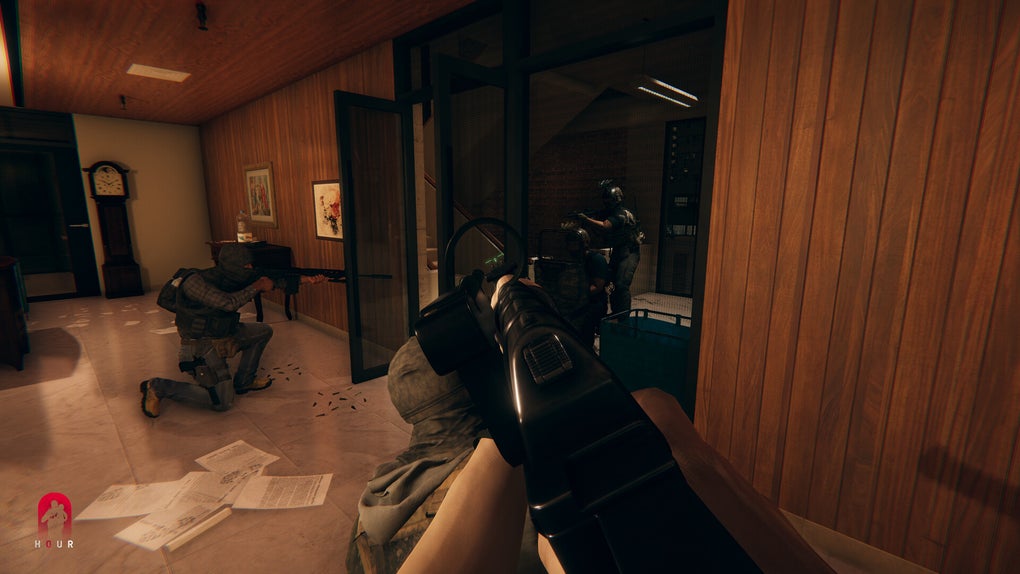
The Achilles’ Heel: AI Teammates in the Single-Player Campaign
While Zero Hour excels in its environmental detail, weapon variety, and tactical gameplay, its single-player campaign suffers significantly from a critical flaw: the poor implementation of AI teammates. These AI companions, meant to provide support and enhance the cooperative experience, often prove more of a hindrance than a help. Their actions are frequently unpredictable, illogical, and frequently result in mission failures or unnecessary complications. Instead of providing assistance, they often impede the player’s progress, getting in the way, inadvertently revealing player positions to enemies, or failing to execute basic commands effectively. This severely undermines the intended cooperative experience and can lead to frustrating gameplay, significantly diminishing the enjoyment of the single-player campaign. This issue stands in stark contrast to the more polished multiplayer experience, where the interaction is exclusively with human players.
A Promising Foundation with Room for Improvement
Despite the significant drawback of its AI teammates, Zero Hour demonstrates substantial potential. The game’s immersive environments, comprehensive weapon selection, and diverse gameplay modes offer a compelling tactical shooter experience, particularly in its multiplayer component. The emphasis on realism, resource management, and interactive NPCs contributes to a high level of immersion rarely found in similar titles. The K9 companion adds a unique dimension to the gameplay, providing both practical assistance and an emotional connection.
The game’s success is largely contingent upon the player’s chosen mode of play. For players primarily interested in the multiplayer aspect, Zero Hour delivers a robust and enjoyable experience. The competitive modes are well-designed, offering a challenging and rewarding experience for those seeking intense online battles. The ability to customize loadouts and strategize with teammates adds a significant layer of depth and replayability.
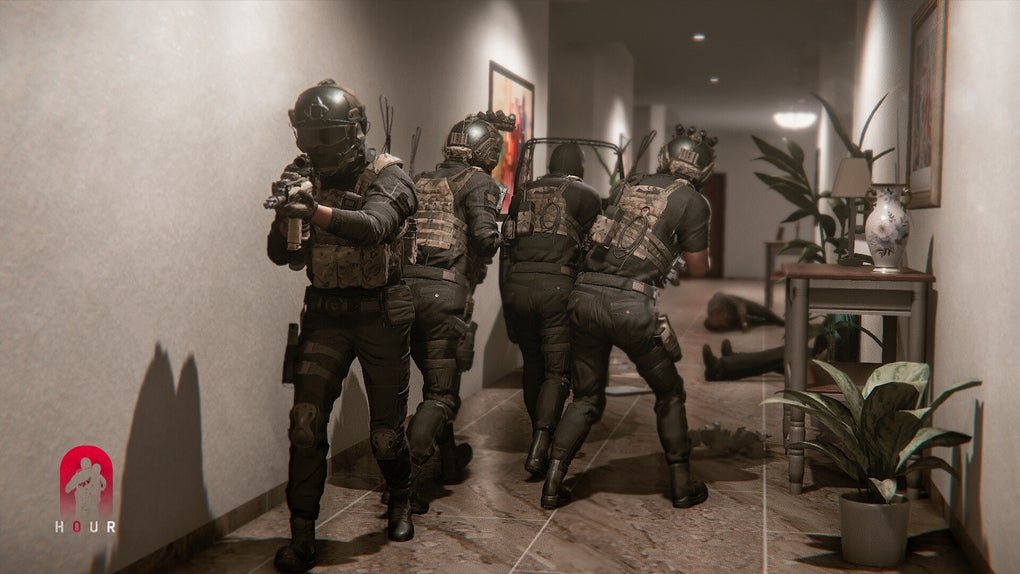
However, those seeking a satisfying single-player experience may find themselves frustrated by the limitations of the AI teammates. The potential for an engaging single-player campaign is present in the game’s design – the immersive setting and intricate missions offer the foundation for a captivating story – but the poor AI significantly detracts from this potential.
Conclusion: A Game of Two Halves
Zero Hour presents a fascinating dichotomy. It is a game of two distinct halves – a robust and engaging multiplayer experience contrasted sharply with a single-player campaign hampered by its flawed AI. The strengths of the game are undeniable: the immersive environments, the extensive weapon selection, the strategic gameplay elements, and the exciting multiplayer modes all contribute to a generally positive experience. However, the substantial shortcomings of the single-player AI are a significant detriment, potentially overshadowing the game’s other positive aspects for some players.
Ultimately, Zero Hour’s success will depend on the player’s expectations and preferences. Those primarily interested in competitive multiplayer will find much to enjoy, while those seeking a compelling single-player campaign should carefully consider the reported issues with the AI before investing their time and money. The game’s underlying mechanics and design suggest it possesses the potential to become a truly excellent tactical shooter, but addressing the AI issues is crucial for unlocking its full potential and delivering a consistently rewarding experience across both its game modes.
File Information
- License: “Full”
- Version: “9.9.8”
- Latest update: “September 13, 2024”
- Platform: “Windows”
- OS: “Windows 11”
- Language: “English”
- Downloads: “7.8K”


