
18 Wheels of Steel: Extreme Trucker invites players into the world of long-haul trucking, challenging them with demanding routes and diverse environments. This simulation game, while not perfect, offers a unique experience for those seeking a realistic portrayal of the trucking profession, albeit with some limitations. This review explores the game’s strengths and weaknesses, examining its gameplay mechanics, graphics, sound design, and overall appeal.
Gameplay: A Realistic, if Repetitive, Journey
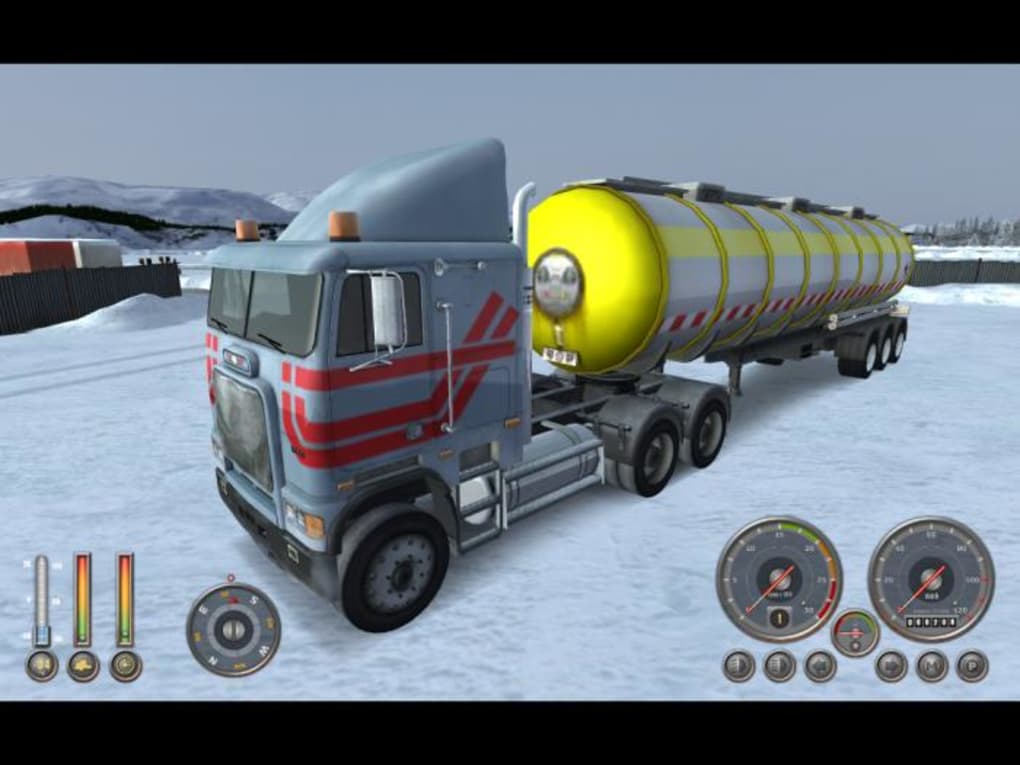
The core gameplay loop of 18 Wheels of Steel: Extreme Trucker revolves around accepting and completing delivery jobs across a variety of locations. Players take on the role of a trucker, navigating various terrains and weather conditions while adhering to delivery deadlines and traffic laws. The game offers a range of trucks, from smaller single-bodied vehicles to large rigs towing heavy cargo like fuel tankers. This variety in vehicle types adds a layer of complexity, requiring players to adapt their driving techniques to handle different weights, sizes, and handling characteristics.
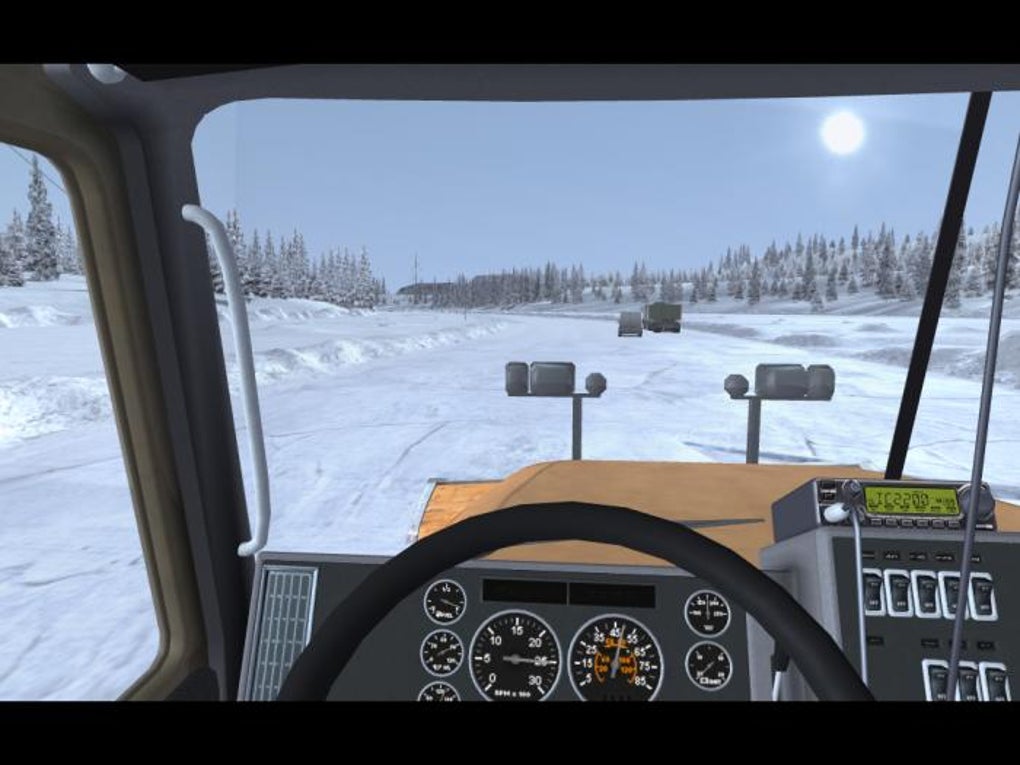
The initial experience can be engaging. The challenge of maneuvering large vehicles through tight spaces, navigating challenging terrain, and managing fuel levels provides a satisfying sense of accomplishment. The gradual increase in difficulty, introducing more traffic and complex routes, keeps players on their toes. The game’s physics engine attempts to simulate the realistic handling of large trucks, including factors like momentum, inertia, and braking distances.
However, the repetitive nature of the core gameplay loop quickly becomes apparent. The limited number of game modes and the lack of diverse environments, particularly in the demo version, can lead to a sense of monotony. Driving the same routes repeatedly, even with different trucks and cargo, can become tedious. The pacing of the game is often slow, which while realistic, may not appeal to players looking for a fast-paced, action-packed experience. This slow pace, combined with relatively uninspiring scenery, can make long gameplay sessions challenging to maintain focus.
The demo version’s limitation to a single map, the snowy landscapes of Canada, further compounds this issue. While the snowy environment presents its own unique challenges, the lack of variety in terrain and scenery quickly leads to visual fatigue. The repetition diminishes the initial sense of accomplishment and reduces the long-term engagement potential of the game.
Graphics and Sound: A Functional, but Unremarkable Presentation
The graphics of 18 Wheels of Steel: Extreme Trucker are functional but far from visually impressive. While the truck models are reasonably detailed, the environments lack the visual richness and detail found in many modern simulation games. The textures appear somewhat bland, and the overall visual presentation feels dated, particularly by today’s standards. This is further emphasized by the limited environmental details and relatively low polygon counts. Despite adjustable detail levels within the settings menu, the improvements are minimal.
The sound design similarly falls short of expectations. While the engine sounds of the different trucks are adequately represented, the overall sound environment is unremarkable. The lack of ambient sounds and the limited variety in sound effects contribute to a relatively flat audio experience. This lack of immersion significantly impacts the overall feeling of driving in the game’s environment.
The limited graphical fidelity and lackluster sound design are particularly noticeable during longer gameplay sessions, exacerbating the feeling of repetition and monotony that can quickly set in. The game’s visual and auditory elements do little to enhance the immersion or alleviate the repetitive nature of its core gameplay.
Game Mechanics and Controls: A Balancing Act Between Realism and Accessibility
The game aims for realism in its vehicle handling and physics. The trucks respond realistically to steering inputs, with considerable weight and momentum influencing their movements. This realism, however, can present challenges for players accustomed to more arcade-style driving games. Learning to control the larger vehicles, particularly at higher speeds, requires patience and practice. The physics engine, while aiming for realism, sometimes results in slightly unnatural movements, especially during sharp turns or when negotiating uneven terrain.
The controls themselves are fairly standard for a trucking simulation game, with options for keyboard and mouse or gamepad input. The control scheme is generally intuitive, but some players might find certain controls less responsive or require more fine-tuning. The lack of comprehensive control customization options might prove frustrating for players wanting more granular control over their driving experience.
The balance between realism and accessibility is arguably the game’s most significant challenge. While the realistic physics engine provides a more authentic trucking experience, it can also create a steeper learning curve, deterring casual players who prefer a less demanding driving simulation. Finding the right balance between realism and ease of play is crucial for a broad appeal, and this is an area where the game could be improved.
Replayability and Longevity: A Game for Dedicated Truck Enthusiasts
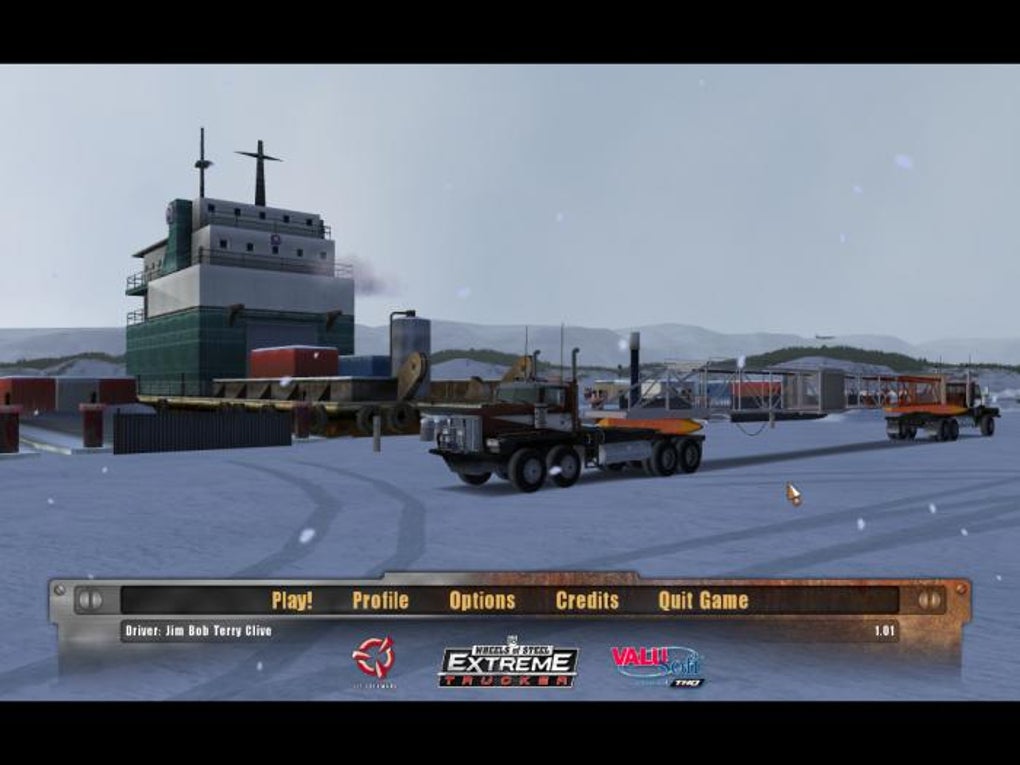
The game’s limited content and repetitive gameplay significantly impact its replayability. The single map in the demo version, and the relatively small number of game modes, provide little incentive for extended play after the initial experience. Once the player has completed several delivery jobs, the limited variety in gameplay and environments reduces the motivation to continue playing.
The lack of additional features, such as multiplayer modes or a more dynamic job system, further limits the game’s long-term appeal. Unless a player possesses a genuine fascination for the intricacies of long-haul trucking, the game’s repetitive nature and lack of variety quickly lead to decreased engagement and a desire for more diverse game experiences.
Conclusion: A Niche Title with Limited Appeal
18 Wheels of Steel: Extreme Trucker offers a functional simulation of the long-haul trucking experience, but its repetitive gameplay, uninspired graphics, and limited content significantly restrict its appeal. While the realistic physics and variety of trucks provide some degree of engagement, these positives are quickly overshadowed by the monotonous gameplay loop and lackluster visual and auditory presentation. The game will likely appeal only to those with a deep-seated interest in trucking simulations and a tolerance for repetitive gameplay. For casual players or those seeking a more visually engaging or diverse gaming experience, 18 Wheels of Steel: Extreme Trucker is likely to prove underwhelming. The developers could significantly enhance the game’s appeal through expanded content, improved graphics, more engaging sound design, and a greater emphasis on replayability and variety.
File Information
- License: “Trial version”
- Latest update: “July 20, 2021”
- Platform: “Windows”
- OS: “Windows 8”
- Language: “English”
- Downloads: “175.4K”
- Size: “383.18 MB”


