
The 29 Card Game, also known as Twenty-Eight, is a popular Indian trick-taking card game that has gained traction both offline and through digital adaptations. This article explores the rules of 29 Card Game, its online app, and provides a comprehensive review of the user experience.
Understanding the Gameplay of 29 Card Game
29 Card Game is a four-player partnership game, with partners sitting opposite each other. Unlike many card games, 29 doesn’t utilize the entire standard 52-card deck. Instead, it employs only 32 cards – the 7, 8, 9, 10, Jack, Queen, King, and Ace of each of the four suits (hearts, diamonds, clubs, and spades). The numerical values assigned to these cards, however, deviate from their standard ranking.
The core objective of the game is to win tricks containing cards of high value. While the precise point values may vary slightly depending on regional variations, the Jack and the Nines generally hold significantly more value than other cards, often serving as the most powerful cards in play. These cards can significantly impact the overall score and strategy employed by players. The game’s name, “29,” stems from the target score, often aiming to achieve or surpass this number through the accumulation of points in won tricks.
The gameplay involves a series of rounds or “tricks.” Each round begins with a player leading a card. The other players must follow suit if possible; if a player cannot follow suit, they are free to play any card. The highest card of the lead suit wins the trick. The winner of each trick then leads the next card, continuing until all 32 cards have been played. The scoring system, as mentioned earlier, heavily favors tricks containing the high-value cards – particularly the Jacks and Nines – leading to complex strategic decision-making.
The strategic depth of 29 Card Game lies not only in playing high-value cards but also in anticipating your opponents’ moves. Careful observation of played cards and understanding the likely distribution of high-value cards in your opponents’ hands is crucial for success. Bluffing and misdirection can also play significant roles, adding another layer of strategic complexity. Partners must coordinate their plays effectively to maximize their team’s score and hinder their opponents.
The game offers a captivating blend of skill, strategy, and a touch of luck, making it a consistently engaging experience for players of all skill levels. The unpredictable nature of card distribution ensures that no two games are identical, promoting replayability and strategic adaptation.
The 29 Card Game App: A Digital Adaptation
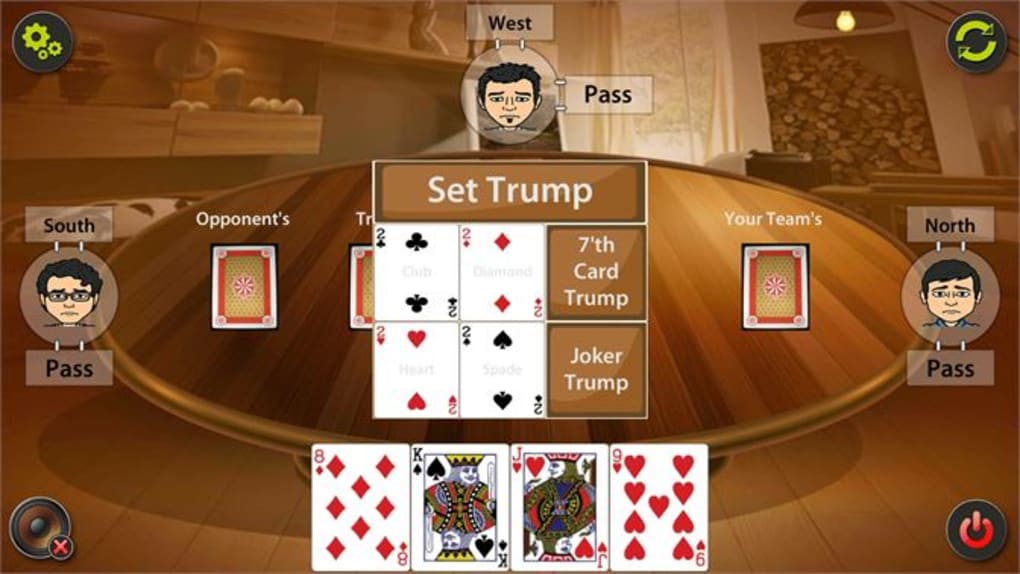
The digital adaptation of 29 Card Game offers players a convenient way to enjoy this engaging card game without the need for physical cards and opponents. The app allows for various modes of play, catering to diverse preferences. Players can engage in online multiplayer matches, connect with friends locally via Bluetooth, or even play against an AI opponent offline in a single-player mode.
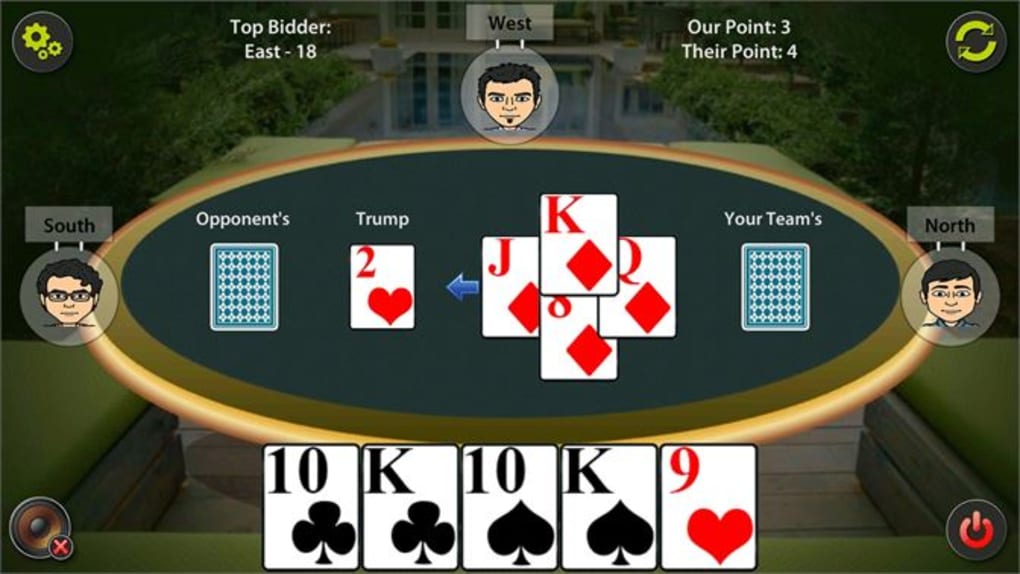
The accessibility of the app is a significant advantage. It removes the logistical barriers associated with finding physical opponents and setting up a game, allowing players to engage in a match at any time. This convenience is particularly appealing for those who may not always have access to other players or lack the time to arrange physical games.
However, despite the convenience offered by the digital version, it’s crucial to acknowledge user feedback concerning certain shortcomings. A prevalent criticism centers on the app’s multiplayer functionality. While theoretically allowing players to connect with others online, many users report difficulty joining game rooms, particularly when logging in as guests. This issue can significantly impede the user experience, frustrating players who may find themselves repeatedly unable to join a game.
App Review: Pros and Cons
The 29 Card Game app presents a mixed bag in terms of its user experience. While the core gameplay faithfully replicates the essence of the physical game, several technical and design flaws detract from the overall enjoyment.
Pros:
- Authentic Gameplay: The app successfully captures the rules and strategic nuances of the traditional 29 Card Game. This authenticity is crucial for players familiar with the physical version, ensuring a seamless transition to the digital platform.
- Multiple Game Modes: The inclusion of online multiplayer, Bluetooth multiplayer, and single-player modes provides flexibility, allowing players to choose the mode that best suits their preferences and circumstances. This diverse selection of game modes caters to a broad spectrum of player preferences, enhancing the app’s overall appeal.
- Accessibility: The app’s primary strength lies in its accessibility. It eliminates the logistical challenges associated with finding opponents and organizing physical games, allowing for convenient, on-demand gameplay. This convenience is a significant advantage, especially for those with limited time or access to other players.
Cons:
- Poor Shuffling: A significant drawback, as reported by numerous users, is the perceived poor shuffling algorithm. This issue raises concerns about fairness and undermines the integrity of the game. If the shuffling is not truly random, it can create an unfair advantage for certain players, potentially leading to frustration and a diminished sense of competitive balance.
- Biased Card Distribution: A related concern revolves around the distribution of cards. Users often report that the game seems to consistently favor certain players, leading to lopsided matches where one player receives disproportionately more high-value cards. This perceived bias undermines the fairness and enjoyment of the game, potentially making matches feel predetermined rather than skill-based.
- Multiplayer Connectivity Issues: The difficulties in joining online game rooms pose a considerable hurdle. The inability to readily connect with other players defeats the purpose of the app’s multiplayer functionality. This technical issue significantly impacts the user experience, turning what should be a social and engaging aspect into a frustrating one.
Conclusion: Should You Download It?
The 29 Card Game app presents a dilemma. While it successfully captures the essence of the engaging traditional card game, significant flaws in its design and implementation hamper the overall experience. The issues related to shuffling, card distribution, and multiplayer connectivity severely undermine the fairness and enjoyment of the game.
For players seeking a convenient way to play 29 Card Game against an AI opponent offline, the app might provide a satisfactory experience. However, those hoping for a reliable and fair online multiplayer experience should proceed with caution. The reported issues surrounding multiplayer functionality and perceived biases in card distribution may lead to frustration and a less than enjoyable experience. The app’s potential is undeniable, but until these fundamental issues are addressed, it falls short of providing a truly satisfying digital rendition of this classic Indian card game. Until improvements are made, exploring alternative digital card game platforms might be a better option for those seeking a consistent and reliable online experience.
File Information
- License: “Free”
- Version: “varies-with-devices”
- Latest update: “September 14, 2021”
- Platform: “Windows”
- OS: “Windows 10”
- Language: “English”
- Downloads: “26.8K”


