
Arctic Torrent, a now-defunct BitTorrent client, once held a place in the hearts (and hard drives) of many users. Released in the early 2000s, this free, open-source application offered a simpler approach to downloading torrent files compared to the more feature-rich clients that would later dominate the market. While no longer actively developed or supported, examining its history and features provides valuable insight into the evolution of BitTorrent technology and the changing landscape of peer-to-peer file sharing.
Arctic Torrent’s Place in BitTorrent History
The BitTorrent protocol, introduced in 2001, revolutionized file sharing by enabling efficient distribution of large files across a decentralized network. Unlike earlier methods that relied on a central server, BitTorrent leveraged the bandwidth of participating users (peers) to create a robust and resilient system. Several clients emerged to facilitate this process, each offering a unique set of features and interfaces. Arctic Torrent, developed by Cory Nelson, carved its niche by providing a lightweight and user-friendly experience, particularly appealing to users who desired a straightforward approach without the complexity of more advanced clients. Its open-source nature (GPL license) further contributed to its appeal, allowing users to examine and potentially modify the software’s code. This transparency, uncommon in many commercial applications, fostered a sense of community and trust among its users.
The client’s popularity peaked during a time when high-speed internet access was not as ubiquitous as it is today. Its relatively small size and low resource consumption made it a viable option for users with slower connections or older hardware. This characteristic contrasted with some of its competitors, which, as features were added, demanded increasingly greater system resources. In a world of dial-up and slower broadband connections, this simplicity was a significant advantage.
While Arctic Torrent gained a following, its lack of continuous development eventually led to its obsolescence. The rise of more actively maintained clients, offering features like integrated search functionality, advanced download scheduling, and improved security, gradually shifted user preference. The absence of regular updates left Arctic Torrent vulnerable to security exploits and incompatible with evolving network protocols. This is a common fate for open-source projects without a dedicated development team.
Arctic Torrent’s Features and User Interface
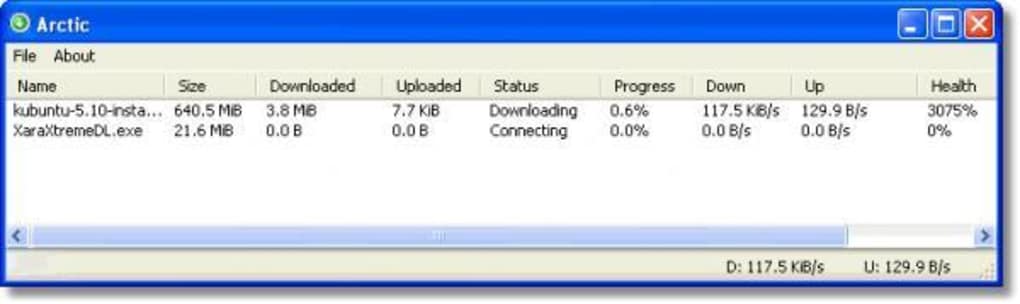
Arctic Torrent’s primary strength was its simplicity. Its interface was uncluttered and intuitive, making it easy for even novice users to download torrent files. Unlike some clients that featured complex settings and numerous options, Arctic Torrent presented a streamlined experience. The core functionality – adding torrents, managing downloads, and pausing/resuming transfers – was readily accessible.
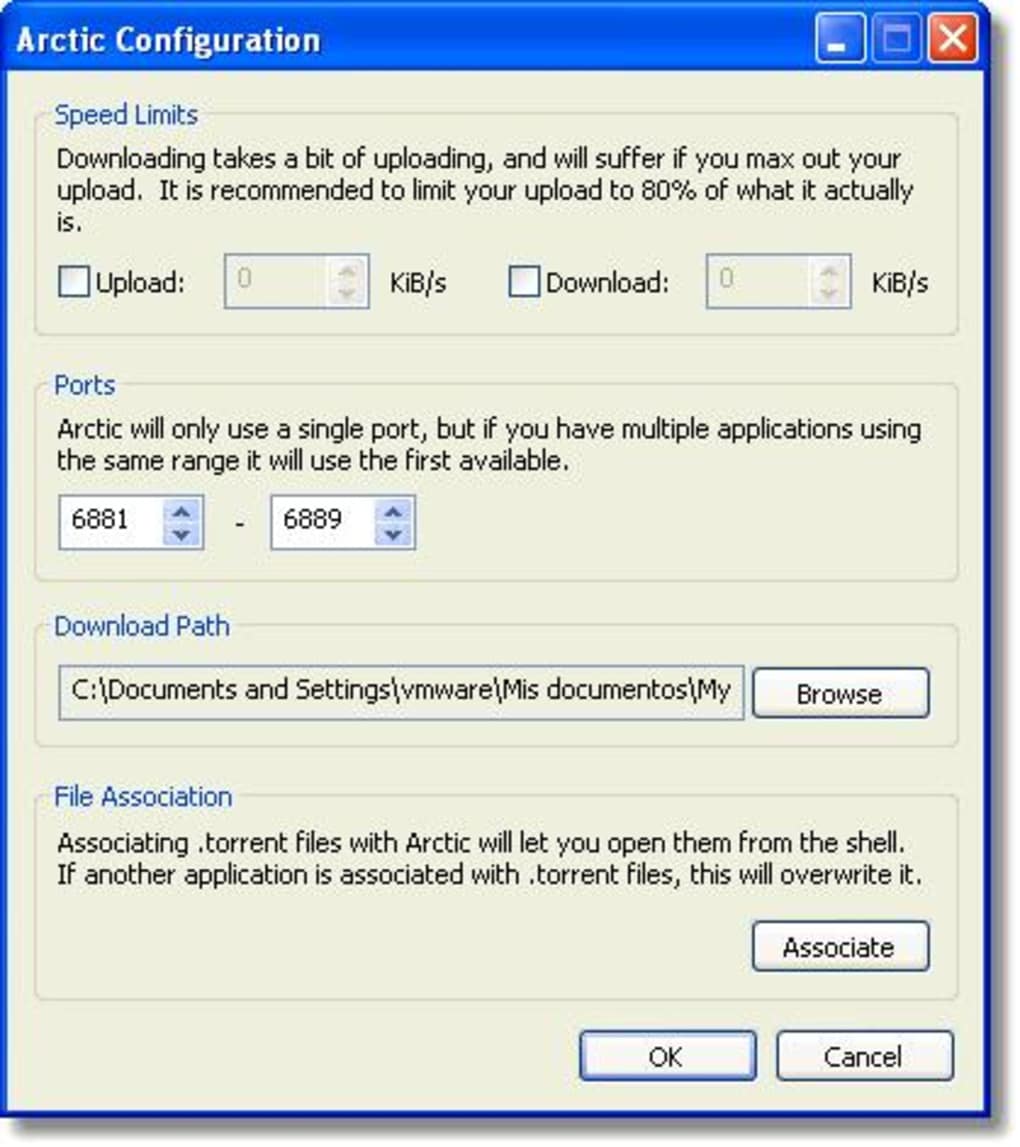
The client primarily focused on the essential aspects of BitTorrent operation. While lacking sophisticated features like scheduling or bandwidth prioritization, its basic capabilities were efficient for their time. The core functionality was reliable, and for many users, this uncomplicated approach was perfectly satisfactory.
The simplicity extended to its system requirements. Arctic Torrent’s relatively small footprint minimized the impact on system resources. This made it an ideal option for users with older or less powerful computers. This was a major differentiator during a period when internet connections and computer hardware were far less powerful. In contrast to many modern applications, Arctic Torrent operated smoothly without demanding extensive processor power or memory. The trade-off for this lightweight design, however, was the absence of features found in more sophisticated clients.
Its support was limited to a predominantly English-speaking audience, reflecting the typical limitations of smaller, independently developed projects. This language restriction may have limited its global reach, but it didn’t seem to severely impede its adoption within its target user base.
Comparison with Contemporary and Modern BitTorrent Clients
Comparing Arctic Torrent to its contemporaries and modern successors highlights the significant advancements in BitTorrent client technology. Clients like uTorrent and BitTorrent (the namesake client), even in their earlier versions, offered more robust features, including integrated search functionality, bandwidth prioritization, and support for multiple simultaneous downloads. Modern clients have even greater functionality. They add features such as scheduled downloads, remote control capabilities, and enhanced security measures.
The major difference lies in the level of sophistication. Arctic Torrent served as a basic tool. Modern clients offer a far more comprehensive suite of features, aiming to improve download speeds, enhance security, and provide a more user-friendly experience. Security features, for example, are far more advanced in modern clients, addressing vulnerabilities that were less of a concern during Arctic Torrent’s prime.
Many contemporary clients also incorporated advanced download management features, allowing users to fine-tune their download parameters to optimize speed and resource utilization. These features were absent in Arctic Torrent, which focused on a simplified and efficient core download process.
Arctic Torrent’s Legacy and the Evolution of BitTorrent
Despite its demise, Arctic Torrent represents a significant chapter in the history of BitTorrent technology. Its existence demonstrates the initial simplicity of the protocol and the accessibility of creating functional BitTorrent clients. The open-source nature of the project contributed to the overall understanding and development of the BitTorrent protocol. While its lack of ongoing development ultimately led to its obsolescence, its contributions to the broader ecosystem of open-source software and the evolution of peer-to-peer file sharing remain noteworthy.
The evolution from Arctic Torrent to modern BitTorrent clients showcases the continuous improvement in user experience, performance, and security. Modern clients are more resource-efficient in managing multiple downloads and have sophisticated features to control bandwidth and prioritize tasks. Security features are far more advanced, safeguarding against malware and network threats, addressing concerns that were less prominent in the early days of P2P file sharing.
The disappearance of Arctic Torrent also highlights the challenges faced by open-source projects that lack sustained development and community support. The active maintenance and continuous improvement of software are crucial for longevity, especially in a dynamic technological landscape. The lesson learned is the importance of active community engagement, regular updates, and addressing security vulnerabilities to ensure the long-term viability of any software project.
The shift away from Arctic Torrent reflects a broader trend in the evolution of software. Simple, effective tools often give way to more feature-rich applications that cater to diverse user needs and address evolving technological requirements. While Arctic Torrent’s simplicity was its initial strength, it ultimately became its weakness in the face of competition from more sophisticated and actively maintained clients. Its legacy serves as a reminder of the iterative nature of software development and the importance of adaptability to remain relevant in a constantly changing digital environment.
File Information
- License: “Free”
- Version: “1.2.3”
- Latest update: “June 16, 2012”
- Platform: “Windows”
- OS: “Windows XP”
- Language: “English”
- Downloads: “140.1K”
- Size: “562.81 KB”


