
Audiotonic, a free audio editing software for Windows, was once readily available. However, the download is currently unavailable, potentially due to discontinuation, security concerns, or other unforeseen reasons. This article will delve into the features and capabilities of Audiotonic, examine its strengths and weaknesses, and explore viable alternatives for users seeking similar functionality. We will also consider the broader context of audio editing software within the Windows ecosystem.
Understanding Audiotonic’s Capabilities
While the original Audiotonic is no longer accessible, information about its features reveals a program designed for both simplicity and power. Based on available reviews and descriptions, Audiotonic offered a user-friendly interface despite its robust capabilities. It allowed users to perform standard audio editing tasks, such as cutting, copying, pasting, and adding effects. This core functionality made it accessible to beginners while providing a foundation for more advanced users. The software supported several popular audio formats, making it compatible with a wide array of audio files commonly used by both casual and professional users.
One notable feature highlighted was the amplitude-envelope editor, a crucial tool for sound engineers and music producers to control the dynamics of their audio. This feature, along with customizable spectroscopy mode and a frequency analysis window, indicated a focus on providing tools for precise audio manipulation and analysis. These features are typically found in more advanced professional software, making Audiotonic’s inclusion of them noteworthy for a free application. The capacity for real-time preview and editing of recordings further enhanced the user experience, allowing for immediate feedback and iterative refinement of audio projects.
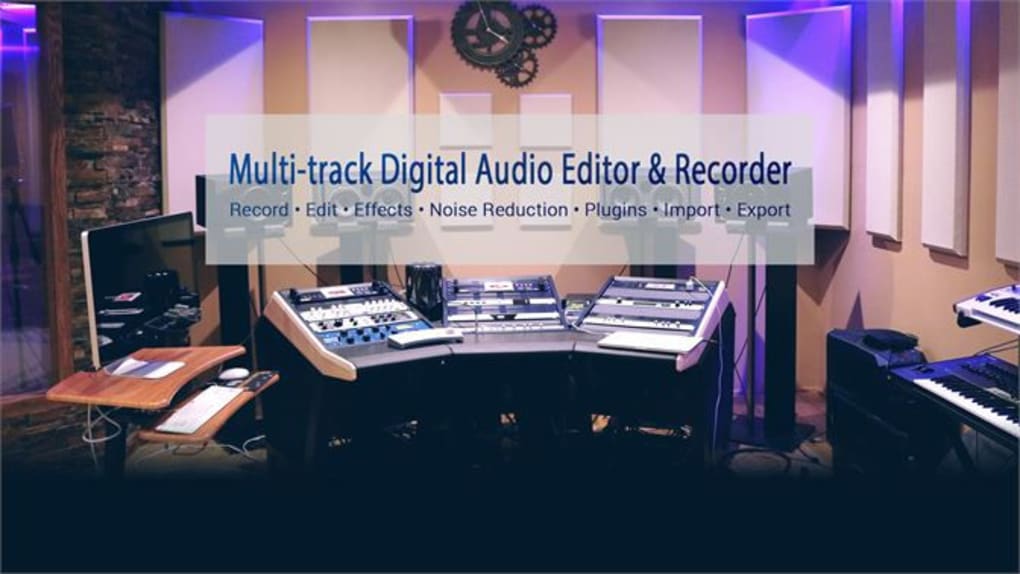
The integration of over 30 native effects and signal processing engines showcased Audiotonic’s commitment to offering a comprehensive range of tools for audio manipulation. This broad selection of effects likely included elements such as equalization (EQ), compression, reverb, delay, and various other effects catering to diverse audio production needs. The open-source nature of the software further added to its appeal, fostering community involvement and the potential for further development and customization. The mention of a waveform window with millisecond-level precision indicated a dedication to accuracy and detail in the editing process. This level of precision is critical for tasks demanding minute adjustments, such as removing unwanted noises or aligning audio clips.
Audiotonic Pro: A Paid Successor?
The unavailability of the original Audiotonic led to the development of Audiotonic Pro. This paid version seemingly addresses several limitations of the original, offering enhanced features and broader compatibility. While the free version was limited to Windows 7 and 8 support, Audiotonic Pro extends compatibility to Windows 10, offering both 32-bit and 64-bit versions, a significant improvement for modern operating systems. This broader support ensures wider user access and compatibility with more powerful hardware configurations.
The availability of a full version of Audiotonic Pro, with unlimited access to the FFmpeg extension library, suggests a significant expansion of the program’s capabilities beyond the free version’s offerings. FFmpeg is a powerful and widely used command-line tool for manipulating multimedia files. Its integration implies that Audiotonic Pro may offer more advanced import and export options, supporting a wider range of less common audio formats, and provide access to a broader range of audio codecs.
Audiotonic Pro boasts a user rating of 4.7, significantly higher than the 3.6 rating of the original Audiotonic. This higher rating might suggest improvements in stability, performance, and user experience. The inclusion of a Waveform window with millisecond-level precision reinforces the focus on precise, high-quality editing. The improved compatibility and feature additions are likely key reasons for the higher rating, attracting users who require the reliability and advanced features that Audiotonic Pro offers.
Exploring Alternatives to Audiotonic
Given the unavailability of Audiotonic, several alternatives provide comparable or superior functionality. These alternatives cater to varying needs and skill levels, offering both free and paid options.
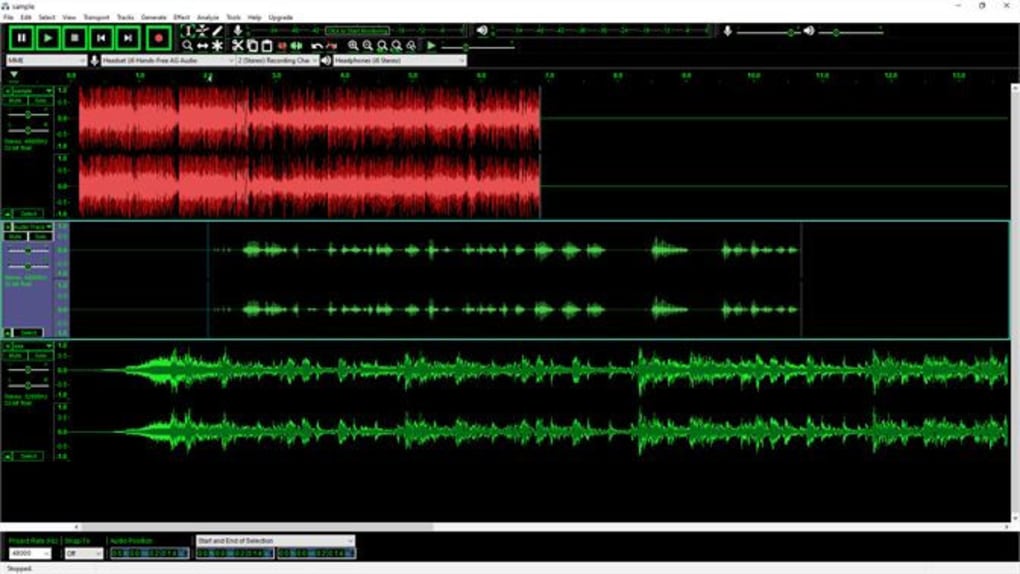
Audacity: A popular free, open-source, cross-platform audio editor, Audacity is a powerful and versatile choice. It offers a vast array of features, including multi-track editing, effects processing, and a large community providing support and plugins. Audacity’s cross-platform compatibility extends its reach beyond Windows, supporting macOS and Linux systems. Its extensive feature set and established user base make it a strong contender for users seeking a free and robust audio editor.
GarageBand: For Apple users, GarageBand is a free and intuitive digital audio workstation (DAW) that offers a user-friendly interface and a comprehensive set of tools. While exclusive to macOS and iOS, its inclusion of a wide range of virtual instruments and effects make it a powerful tool for music creation and audio editing.
Reaper: A powerful and flexible DAW, Reaper is known for its efficient workflow and customizable interface. While it is a paid application, it offers a fully functional free trial, allowing users to assess its capabilities before committing to a purchase. Its strength lies in its versatility, catering to both beginners and professional audio engineers with its extensive plugin support.
Other Commercial Options: Several other commercial audio editors, such as Adobe Audition, Steinberg WaveLab, and Pro Tools, cater to professional users needing advanced features and capabilities. These applications offer extensive functionality, but their cost can be substantial, making them a more appropriate choice for professional audio engineers or serious music producers.
The Broader Landscape of Audio Editing Software
The audio editing software market is diverse, catering to a wide range of users from casual hobbyists to professional audio engineers. The features and capabilities offered vary greatly, ranging from simple trimming and joining of audio clips to advanced mastering and mixing capabilities. The choice of software often depends on individual needs and budget constraints. Free software, like Audacity, offers a solid foundation for basic editing tasks, while paid software, such as Reaper, Adobe Audition, or Pro Tools, often provides advanced tools and functionalities for professional work.
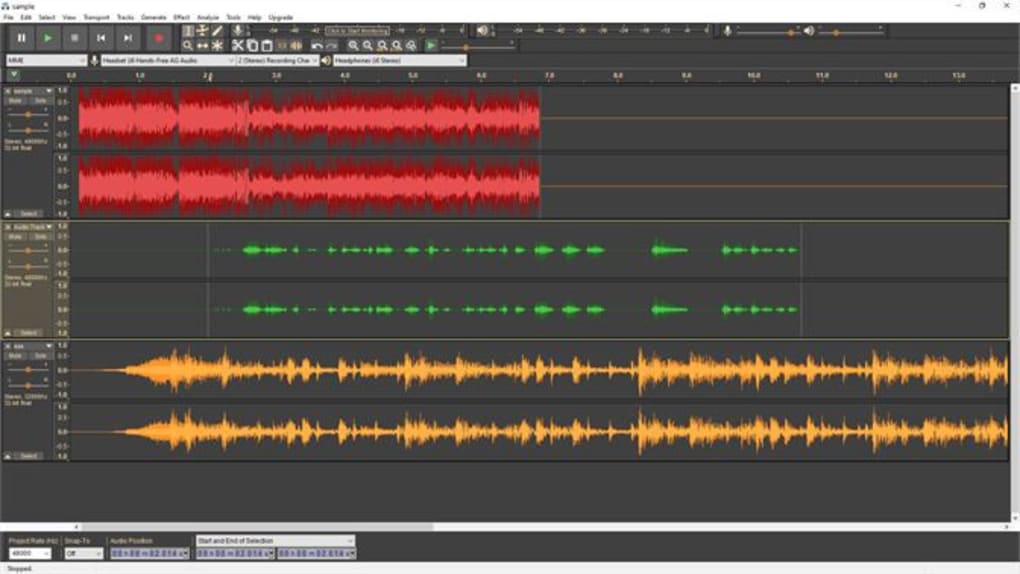
The open-source nature of some software, like Audacity and (formerly) Audiotonic, fosters community involvement, driving development, and allowing for user customization. This community support offers a valuable resource for users seeking help and troubleshooting assistance. Conversely, commercial software often provides better support and more consistent updates, ensuring smoother operations and access to the latest features.
The choice between free and paid software is a significant decision. While free software offers accessibility, paid alternatives generally provide more features, better support, and potentially enhanced stability and performance. Users need to consider their individual needs and budget constraints when selecting their ideal audio editing software.
Conclusion
While the original Audiotonic is no longer available for download, its legacy reveals a commitment to providing a robust and accessible audio editing experience. Its successor, Audiotonic Pro, appears to address several limitations, offering improved functionality and compatibility. However, numerous excellent alternatives exist, catering to various skill levels and budgetary constraints. Whether you choose a free option like Audacity or a professional tool like Reaper or Adobe Audition, the abundance of choices ensures that users can find a solution perfectly suited to their audio editing needs. The landscape of audio editing software continues to evolve, with ongoing developments in features, user interfaces, and accessibility continually shaping the market.
File Information
- License: “Free”
- Version: “1.0”
- Latest update: “July 16, 2025”
- Platform: “Windows”
- OS: “Windows 11”
- Language: “English”
- Downloads: “7.6K”


