
The internet’s fascination with the “Backrooms” phenomenon has transcended its origins as a creepypasta and blossomed into a multimedia experience, encompassing video games, fan art, and countless online discussions. This seemingly simple concept – a vast, unsettling network of interconnected, empty rooms – taps into a primal fear of the unknown and the uncanny, resonating deeply with a generation accustomed to the digital realm. This article explores the Backrooms phenomenon, examining its genesis, its evolution into a gaming experience, and its enduring appeal.
The Genesis of the Backrooms Mythos
The Backrooms’ origins trace back to an image posted on the internet in 2019. This initial image, depicting a dimly lit, endless expanse of yellow-walled rooms with flickering fluorescent lights, sparked a wave of creative interpretation. The image, accompanied by the chilling description of a liminal space accessible only through a glitch in reality, ignited the collective imagination. This “reality glitch,” the notion of slipping through a seemingly solid wall into an alternate, unsettling dimension, perfectly encapsulates the unsettling nature of the Backrooms. It evokes a feeling of disorientation and vulnerability, a sense of being adrift in a space that is both familiar and utterly alien.
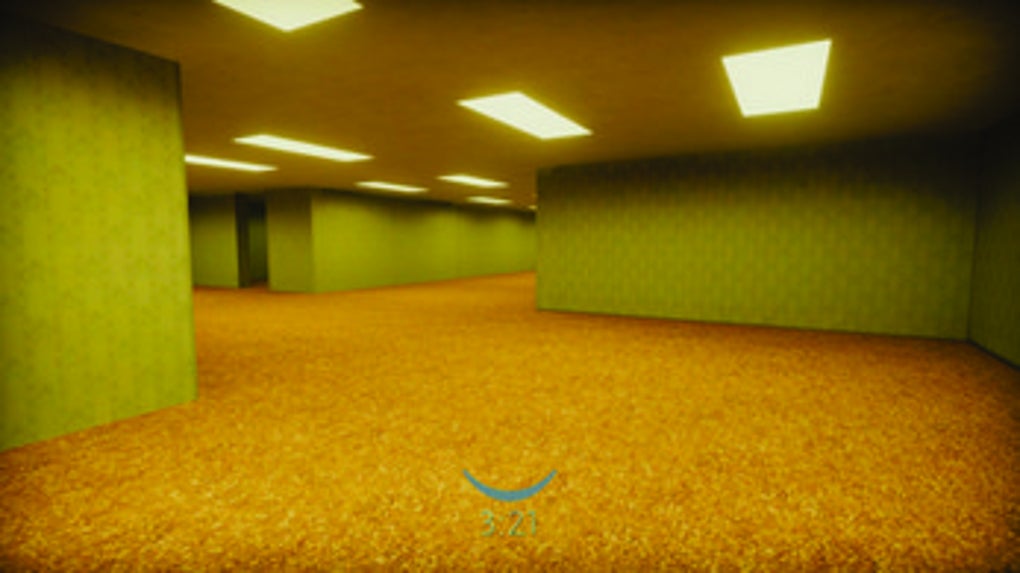
The initial image acted as a catalyst, inspiring a flood of creative contributions from the online community. Users expanded on the original concept, developing detailed narratives, adding descriptions of bizarre entities inhabiting these mysterious spaces, and expanding the Backrooms’ lore. These collective contributions helped to solidify the Backrooms’ identity, transforming a single image into a complex and evolving mythology. The anonymity of the internet allowed for a collaborative storytelling experience, where each contribution added another layer to the overall narrative. The open-ended nature of the concept allowed for limitless interpretation, with different users portraying the Backrooms in diverse and often terrifying ways.
Backrooms as a Gaming Experience: A First-Person Horror Adventure
The inherent creepiness of the Backrooms concept quickly translated into the gaming world, spawning numerous video games that aim to capture its unsettling atmosphere. These games largely adopt a first-person perspective, immersing the player directly into the unsettling environment. The player is typically stranded within this infinite maze of identically structured rooms, forced to navigate the labyrinthine corridors while avoiding the various entities that roam its depths.
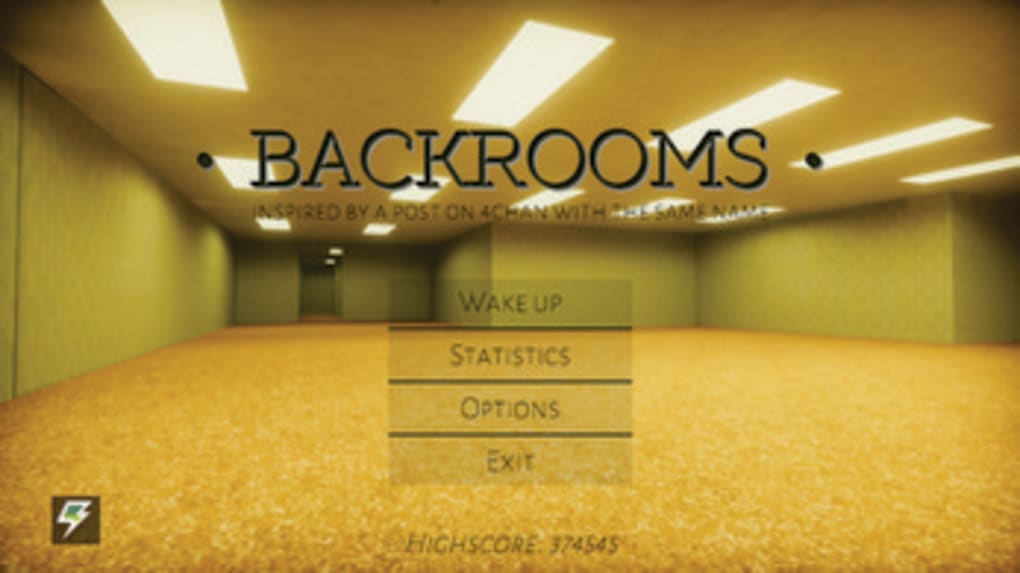
The simplicity of the gameplay is a key factor in the success of these games. The core mechanic often revolves around exploration and survival, with the focus less on complex combat or puzzle-solving and more on generating a sense of dread and unease. The game’s unsettling atmosphere is largely created through the environment itself – the endless, repetitive architecture, the flickering fluorescent lights casting long, distorted shadows, and the oppressive silence punctuated by the hum of unseen machinery. The lack of clear objectives beyond survival further enhances the feeling of isolation and despair.
Many Backrooms games also incorporate elements of found footage, adding to the immersive and realistic feel of the experience. This style, using seemingly genuine recordings within the game’s narrative, contributes significantly to the overall sense of unease, blurring the line between the game’s fictional world and the player’s reality.
One notable example is the game “Backrooms,” featured on various app stores. This game perfectly embodies the core concepts of the Backrooms mythos – the endless maze of identical rooms, the flickering lights, the lurking entities. Its simple yet effective gameplay loop of exploration and evasion creates a consistently tense atmosphere. The addition of multiple game modes, including a “Deaf” mode that alters sound design, cater to varied player preferences, adding replayability. The VR compatibility of some versions enhances the immersive experience, making the claustrophobic and unsettling setting even more palpable for players.
The Psychological Appeal: Liminal Spaces and the Uncanny Valley
The enduring appeal of the Backrooms phenomenon lies in its exploration of the psychological concept of “liminal spaces.” These are spaces that exist in a state of transition, neither fully one thing nor another – the in-between spaces, like empty office buildings after hours or deserted hallways. These spaces often carry a sense of unease, triggering a primal fear rooted in our subconscious understanding of danger and vulnerability.
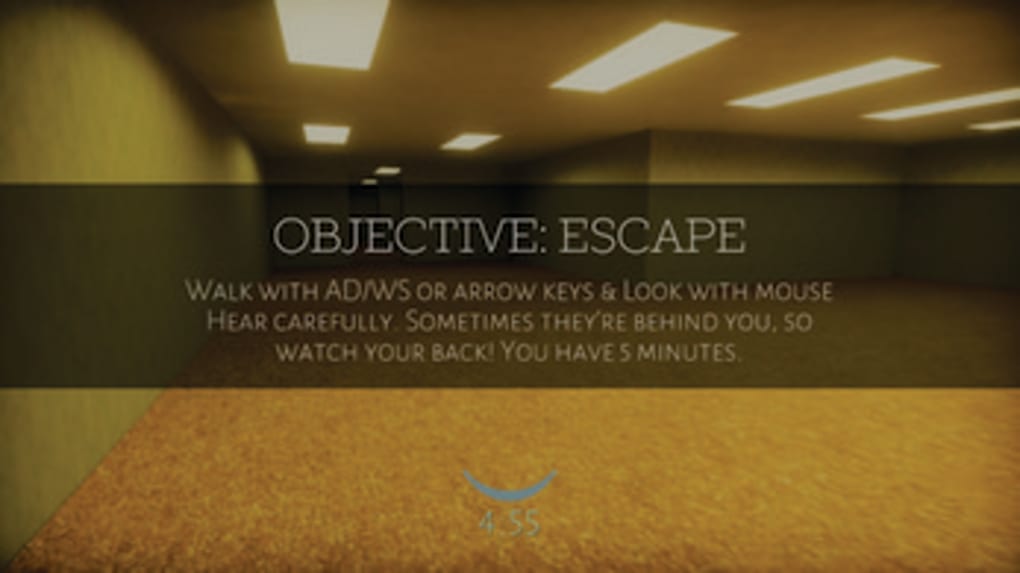
The Backrooms, with their endless, empty rooms and ambiguous purpose, perfectly embody this liminal quality. The repetitive nature of the architecture is unsettling, creating a sense of disorientation and unease. The player is never quite sure where they are or where they are going, adding to the feeling of isolation and helplessness.
Furthermore, the Backrooms tap into the “uncanny valley,” a concept describing the unsettling feeling we experience when encountering something almost, but not quite, human or familiar. The entities that inhabit the Backrooms, often described in vague and ambiguous terms, exist in this uncomfortable space between the familiar and the truly alien, triggering a deep-seated unease. This ambiguity allows for individual interpretations, further adding to the game’s chilling effect.
The Community and its Influence
The Backrooms community has been instrumental in shaping the mythology and expanding its reach. Fans create fan art, write stories, develop mods for existing games, and generate their own interpretations of the Backrooms, constantly enriching the overall narrative. This active community has broadened the Backrooms’ reach beyond just a gaming phenomenon, establishing it as a shared online experience with a collaborative storytelling element at its core.
The community fosters creativity and shared experience, allowing fans to connect through a common interest in a uniquely unsettling narrative. It’s a testament to the power of collective imagination and the inherent appeal of the mysterious and the unknown.
Beyond the Game: The Cultural Impact of the Backrooms
The Backrooms phenomenon isn’t just about video games. Its cultural impact is evident in various media, demonstrating its ability to transcend its initial format and resonate with diverse audiences. The underlying themes of existential dread, isolation, and the unsettling nature of the unknown tap into universal anxieties that resonate deeply with many. The concept of escaping reality into an alternative, uncertain space is a reflection of modern anxieties surrounding technology, identity, and the ever-shifting landscape of reality in the digital age.
The Backrooms’ success hinges on its simplicity and its ability to evoke a powerful emotional response. Its unsettling atmosphere, coupled with the participatory nature of its online community, has ensured its enduring popularity. The ongoing evolution of the Backrooms mythos through fan contributions indicates a continued fascination with its core concepts, promising an ongoing narrative for years to come. The Backrooms, therefore, aren’t just a game or a creepypasta; they are a collective experience, a testament to the power of shared imagination and a reflection of our deepest fears and anxieties in the digital age.
File Information
- License: “Free”
- Version: “1.6”
- Latest update: “February 13, 2025”
- Platform: “Windows”
- OS: “Windows 10”
- Language: “English”
- Downloads: “8.5K”
- Size: “34.34 MB”


