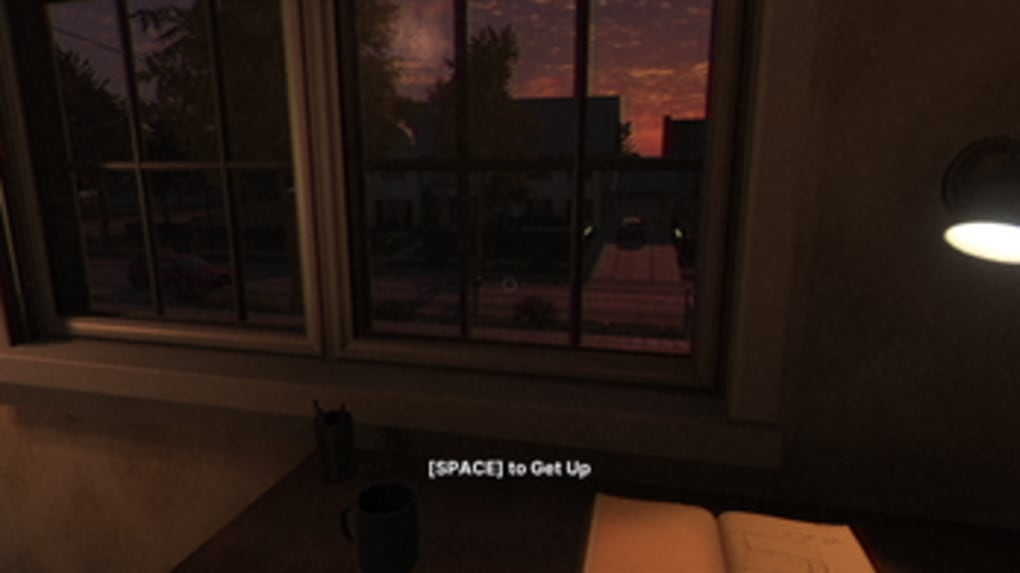
Fears to Fathom: Home Alone is a free-to-play, first-person psychological horror game that immerses players in a chilling narrative experience. Developed by Rayll, this indie title distinguishes itself with its photorealistic graphics, VHS-style aesthetic, and a compelling story delivered through narration, creating a uniquely atmospheric and unsettling gameplay experience. The game, part of a larger anthology series, offers episodic updates, each functioning as a standalone horror story, drawing players into a world of suspense and dread. While the release schedule for these episodes remains unpredictable, their self-contained nature allows players to enjoy each installment individually without needing to follow a strict timeline.
The Story of Miles: A Night of Unfolding Terror
The first episode, “Home Alone,” plunges players into the shoes of 14-year-old Miles. The game unfolds as a flashback, narrated by Miles recounting a terrifying night he spent home alone. This framing device immediately establishes that Miles survives the ordeal, shifting the focus from the simple survival horror trope to a more intricate exploration of trauma, suspense, and the lingering psychological effects of a frightening experience. The player isn’t merely reacting to scares; they are actively reliving the events as they are narrated, offering a unique perspective on the horror genre.
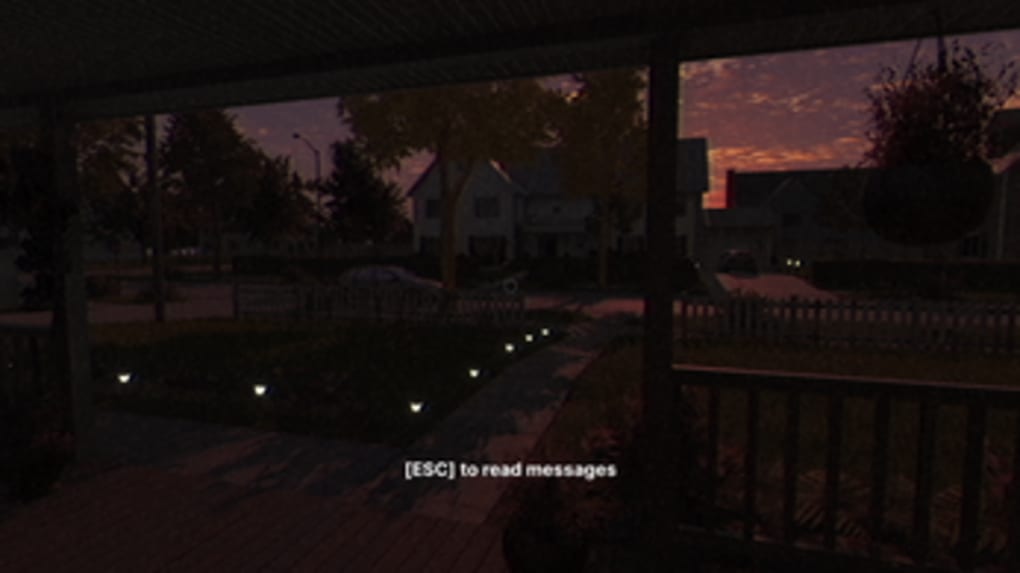
Exploration of Miles’ home forms a central element of the gameplay. The environment is meticulously crafted to evoke a sense of unease. The player is free to wander, uncovering details and interacting with the environment. However, the narrative progresses through triggered narration texts, appearing when the player reaches specific locations or performs certain actions. These textual cues guide the player through the unfolding horror, ensuring a cohesive narrative experience.
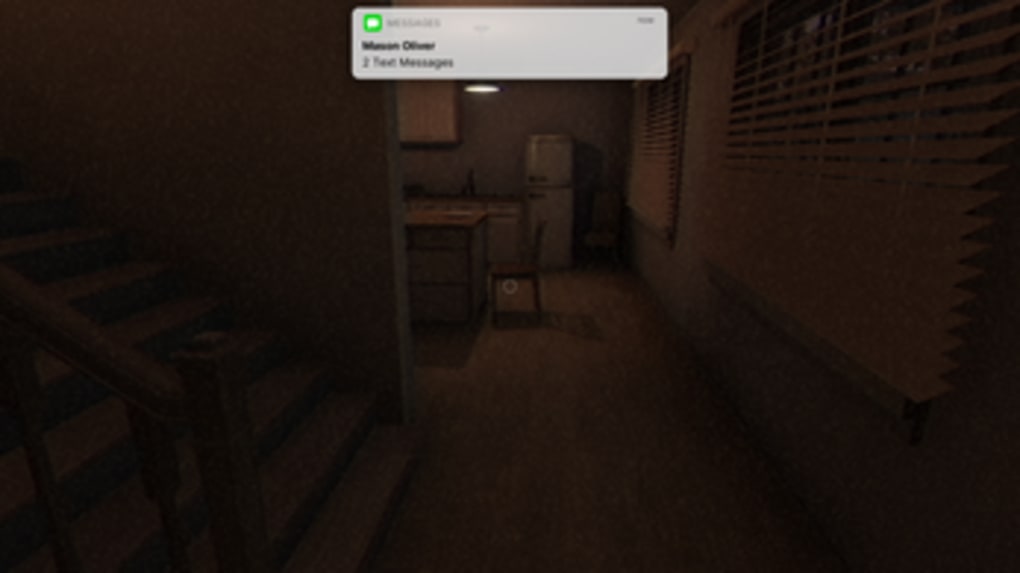
Phone messages from non-playable characters (NPCs) further enhance the immersion, adding another layer to the unfolding mystery. These messages offer clues, hints, and a sense of external connection, contrasting with the isolation of Miles’ experience. The inclusion of these elements effectively builds suspense and amplifies the feelings of vulnerability and isolation that are central to the game’s atmosphere.
Linearity and Replayability: A Trade-off for Atmosphere
Despite the freedom to explore Miles’ home, the narrative itself follows a linear path. The player is essentially reliving a pre-determined sequence of events. This inherent linearity eliminates the possibility of multiple endings or significantly impacting the story through player choices. The game’s good and bad endings are pre-determined, focusing on the successful escape, yet differing slightly in the intensity and detail of the experienced horrors.
This design choice, while limiting player agency, contributes to the immersive quality of the storytelling. The predetermined path allows the developers to meticulously craft a chilling experience, carefully pacing the suspense and delivering carefully calibrated jump scares. The linear narrative, coupled with the atmospheric visuals and sound design, enhances the feeling of being trapped within Miles’ nightmarish experience. However, this linearity directly affects the game’s replayability. Players who crave branching narratives and multiple playthroughs may find the game lacks the longevity they seek. The relatively short playtime, typically under thirty minutes, further contributes to this limitation.
A Masterclass in Atmospheric Horror
Despite its limitations, Fears to Fathom: Home Alone excels in creating a chilling atmosphere. The game’s strength lies not in complex gameplay mechanics or player choice, but in its masterful use of visuals, sound design, and narrative pacing. The photorealistic graphics contribute to a heightened sense of realism, blurring the lines between the game world and reality. The VHS-style aesthetic, with its grainy textures and color palette, adds a layer of nostalgic unease, evoking the classic horror films of the past.
The game’s sound design is equally impressive. The subtle creaks and groans of the house, the distant whispers, and the sudden bursts of unsettling sound all contribute to a constant sense of unease. The carefully orchestrated jump scares, while predictable due to the linear narrative, are still effectively unsettling, relying on the established atmosphere to maximize their impact. The combination of visual and auditory elements successfully creates a persistently unnerving experience.
The Fears to Fathom Anthology: A Collection of Short Horror Tales
“Home Alone” is just one installment within the larger Fears to Fathom anthology. The series’ episodic nature allows for diverse storylines and settings, ensuring that each episode can offer a unique horror experience. The games within the anthology can be played in any order, without sacrificing narrative understanding or enjoyment. This flexible approach offers players a variety of chilling experiences to explore, without being tied down by a specific narrative timeline. Each game within the anthology maintains the series’ signature style of atmospheric horror, focusing on unsettling visuals, soundscapes, and narrative pacing to create genuinely frightening experiences, regardless of the setting or central story.
Conclusion: A Memorable Short Horror Experience
Fears to Fathom: Home Alone delivers a concise and highly effective horror experience. Although the linear narrative and short playtime may limit its replayability, the game’s strengths lie in its exceptional atmosphere, immersive storytelling, and expertly crafted sense of dread. The game’s masterful use of visuals, sound, and narrative pacing make it a memorable encounter for horror fans seeking a chilling, if brief, foray into psychological horror. The episodic nature of the Fears to Fathom series offers a promise of more unsettling stories to come, ensuring a lasting legacy of atmospheric horror games for players seeking a taste of well-crafted scares.
Strengths and Weaknesses: A Balanced Perspective
Strengths:
- Immersive Atmosphere: The game excels in creating a palpable sense of dread and unease, aided by its photorealistic graphics, VHS-style aesthetic, and effective sound design. The carefully chosen setting and subtle environmental details contribute to a constant feeling of vulnerability and suspense.
- Compelling Narrative: The story is well-paced and engaging, drawing the player into Miles’ experience through evocative narration and supplementary elements like phone messages. The linear narrative ensures a cohesive and impactful experience, although it sacrifices player choice.
- Effective Jump Scares: While predictable given the linear nature of the gameplay, the jump scares are effectively unsettling, relying on the established atmosphere to maximize their impact. They are integrated into the narrative and are not simply random bursts of noise or imagery.
- Standalone Episodic Structure: The game’s existence as part of a larger anthology allows for a diverse range of horror experiences within the same stylistic framework, offering variety for players. The self-contained nature of each episode allows for ease of access and enjoyment.
Weaknesses:
- Linear Story: The lack of player choice and multiple endings can limit replayability. Players seeking diverse gameplay experiences and branching narratives may find the game too restrictive.
- Short Playtime: The game can be completed in under half an hour, which, combined with the linear storyline, may leave some players wanting more. The brevity of the experience, while intentional, may not satisfy those looking for a longer, more expansive horror experience.
- Low Replay Value: Given the linear narrative and short duration, the incentive to replay the game is limited. The fixed outcomes reduce the desire to revisit the same events and experience the same scares repeatedly.
In summary, Fears to Fathom: Home Alone offers a unique and chilling short horror experience. While its linear nature and limited replayability may not appeal to all players, its strengths in atmosphere, storytelling, and pacing make it a compelling title for those seeking a taste of well-crafted psychological horror. The game serves as a strong introduction to the Fears to Fathom anthology, promising a collection of diverse and unsettling experiences for horror game enthusiasts.
File Information
- License: “Free”
- Version: “1.1.2”
- Latest update: “December 22, 2021”
- Platform: “Windows”
- OS: “Windows 8”
- Language: “English”
- Downloads: “114.7K”
- Size: “889.82 MB”