
In the ever-expanding universe of digital entertainment, few genres captivate and challenge players quite like horror. From jump-scare-laden thrill rides to slow-burn psychological epics, developers constantly seek new ways to tap into our primal fears. Amidst this diverse landscape, a distinctive title emerges from the independent scene: [Bober Bros] The Hole. Developed by BOBER BROS, this premium horror game for Windows carves out a niche with its unique blend of first-person psychological terror and a striking retro PS2-inspired aesthetic. It’s a game that doesn’t just aim to startle you; it endeavors to burrow under your skin, disrupting your sense of normalcy and inviting you into a world where the familiar turns sinister.
At its core, [Bober Bros] The Hole is an exercise in unease. Players are thrust into a seemingly ordinary domestic setting, where their daily routine is abruptly shattered by a series of unsettling events. The catalyst for this descent into dread is a neighbor, whose strange noises begin to pierce the quiet solitude of your home. These auditory disturbances soon manifest physically, as inexplicable holes start appearing in your walls. This initial premise, deceptively simple, lays the groundwork for a deeply immersive and profoundly disturbing experience. The game excels in its ability to transform mundane architectural features—walls, the very structures meant to provide security and privacy—into conduits of terror. As the holes proliferate, a creeping sense of unease gives way to full-blown psychological horror, where the boundaries between reality and nightmare blur.
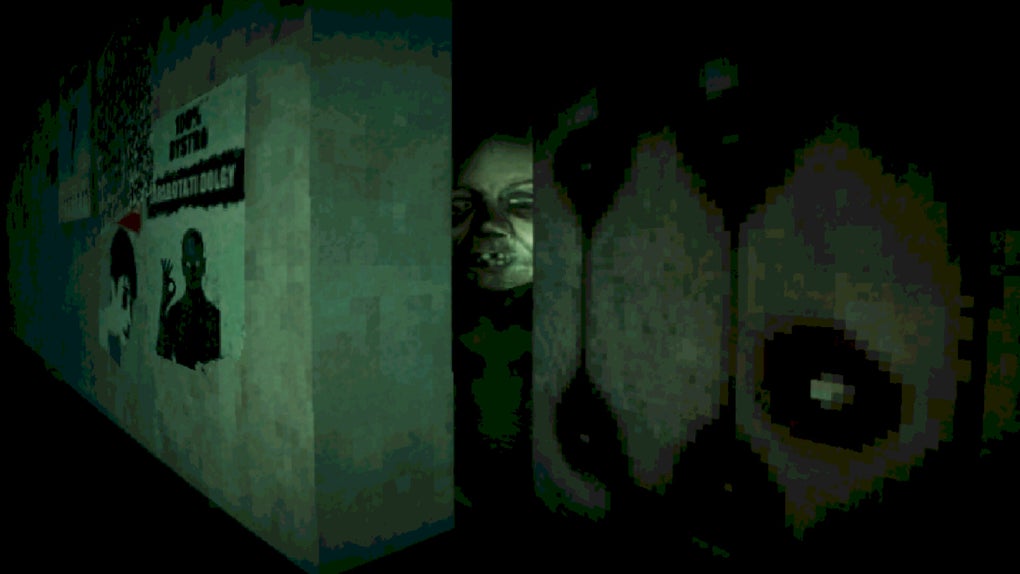
What truly sets [Bober Bros] The Hole apart from many contemporaries is its deliberate eschewal of cheap jump scares. While many horror games rely on sudden frights to evoke fear, BOBER BROS has opted for a more sophisticated, insidious approach. The tension in [Bober Bros] The Hole is meticulously built through a cruel atmosphere, infused with psychological themes, disturbing imagery, and the unsettling intimacy of domestic horror. It leverages the player’s natural apprehension and paranoia, forcing them to confront the unknown rather than merely react to it. This design philosophy creates a lasting impression, where the fear isn’t just instantaneous but lingers, permeating your thoughts long after you’ve stepped away from the screen. However, it is crucial to note that this game is not for the faint of heart, as it contains mature content, including graphic depictions of blood, gore, and abuse. These elements are not employed for gratuitous shock value but are woven into the narrative fabric to deepen the psychological impact, making the experience intensely unsettling and undeniably mature in its themes.
Games and the Evolving Landscape of Indie Horror
The realm of video games has seen an extraordinary evolution over the past few decades, blossoming into a vibrant and diverse ecosystem. Within this ecosystem, the “Games” category, readily accessible on platforms like PhanMemFree.org, serves as a gateway to countless interactive experiences, from action-packed blockbusters to contemplative indie gems. The rise of independent game development has been particularly transformative, democratizing game creation and fostering an environment where small teams or even solo developers can bring their unique visions to life. It is within this burgeoning indie landscape that titles like [Bober Bros] The Hole find their voice, pushing boundaries and challenging conventional notions of what a game can be.
Independent horror games, in particular, have carved out a significant and highly influential niche. Free from the commercial pressures and design constraints often imposed on larger studios, indie developers have the creative latitude to experiment with narrative structures, visual styles, and psychological themes that might be deemed too niche or risky for mainstream audiences. This freedom allows for a more personal, often more disturbing, exploration of fear. Indie horror frequently leans into atmospheric dread, existential anxieties, and the uncanny, rather than relying solely on high-fidelity graphics or elaborate combat systems. This focus on mood and thematic depth is precisely where [Bober Bros] The Hole shines. Its developer, BOBER BROS, exemplifies this indie spirit, crafting a focused experience that prioritizes unsettling atmosphere and psychological immersion over broad appeal or conventional gameplay mechanics.
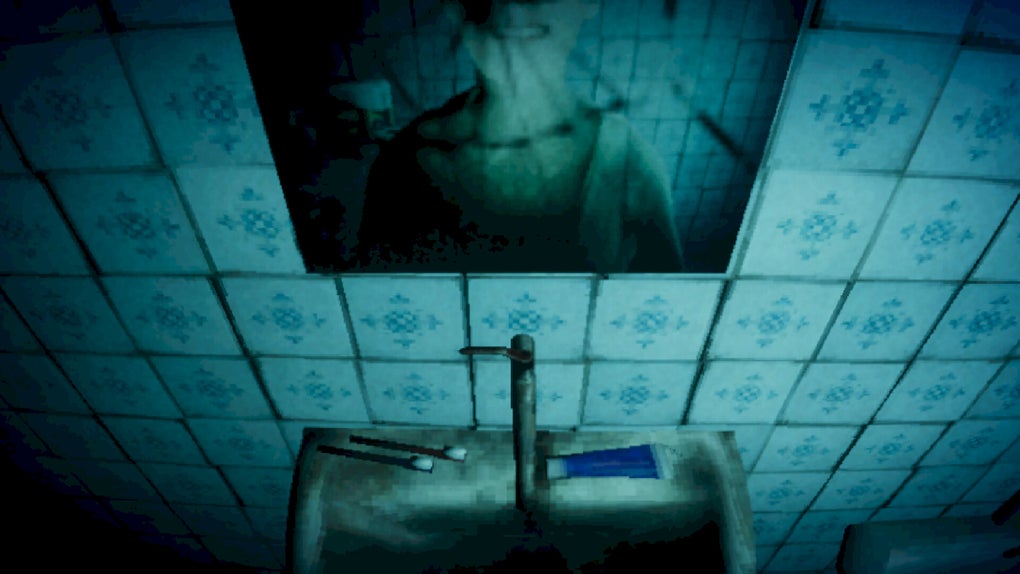
The availability of such diverse “Games” on platforms like PhanMemFree.org underscores the vitality of this segment. Players can easily navigate through various genres, from traditional “Action” and “Adventure” games to more niche categories. [Bober Bros] The Hole sits comfortably within the broader “Adventure” genre due to its narrative-driven, exploratory nature, yet its horror elements are so profound that it often transcends simple genre classification. It demonstrates how a game can leverage minimal resources to maximum effect, proving that genuine terror doesn’t require multi-million dollar budgets but rather a profound understanding of human psychology and a mastery of atmospheric design. The success and critical attention garnered by such titles encourage further innovation within the independent sector, ensuring a continuous flow of fresh, challenging, and often terrifying experiences for players seeking something beyond the ordinary.
Adventure and Narrative Immersion in Modern Horror
While [Bober Bros] The Hole is unequivocally a horror game, its fundamental mechanics and player engagement align closely with the “Adventure” genre. Adventure games, traditionally, are characterized by their emphasis on story, exploration, and puzzle-solving, often minimizing direct combat in favor of narrative progression and environmental interaction. In modern horror, this translates into experiences where the player’s primary objective isn’t to fight monsters but to survive, uncover mysteries, and navigate terrifying environments, making the player an active participant in a unfolding nightmare.
In [Bober Bros] The Hole, the “adventure” lies in the terrifying exploration of your own deteriorating home and psyche. As the holes in the walls multiply and the strange noises escalate, the player is compelled to investigate. This investigative drive is central to the adventure game experience. You are not just a passive observer but an active agent in deciphering the cryptic events around you. Each crack, each new aperture, each unsettling sound serves as a piece of a larger, horrifying puzzle. The game’s narrative immersion is built on this premise: the player’s curiosity, intertwined with their mounting fear, propels them deeper into the unknown.
Unlike many survival horror games that might incorporate elements of action or resource management, [Bober Bros] The Hole dedicates itself almost entirely to psychological tension and narrative delivery. The focus is on the experience of fear, on the player’s internal state as they confront inexplicable phenomena. This is where its “Adventure” game roots truly shine, as the game prioritizes the unfolding story and the player’s emotional journey over skill-based challenges. The atmosphere of domestic horror is particularly effective because it takes a familiar, safe space and corrupts it, turning the sanctuary of home into a prison of dread. This subversion of the everyday is a hallmark of effective psychological horror and a powerful tool for narrative immersion, inviting players to truly feel the encroaching terror rather than merely observe it.
The Aesthetics of Fear: Retro Graphics and Psychological Dread
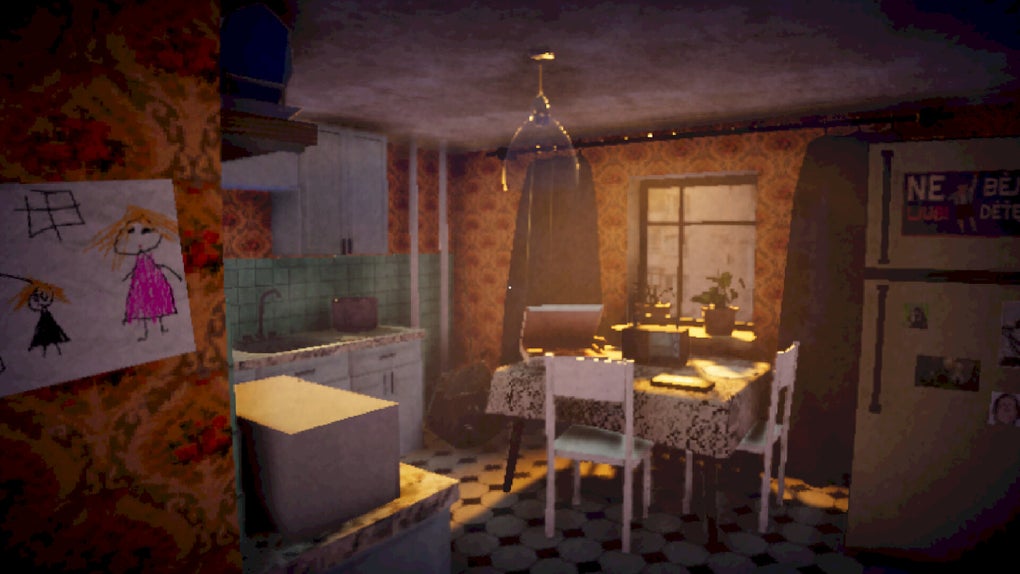
One of the most striking features of [Bober Bros] The Hole is its deliberate choice of graphics: a retro PS2-inspired aesthetic. This isn’t merely a stylistic flourish; it’s a calculated design decision that significantly contributes to the game’s overall atmosphere of psychological dread. The PS2 era, spanning roughly from 2000 to 2006, represents a unique period in gaming history, characterized by its pioneering 3D graphics that, by today’s standards, appear somewhat primitive. This deliberate throwback to “Retro Games For Windows” isn’t about technical limitations; it’s about leveraging the uncanny valley and nostalgic discomfort to amplify the horror.
The pixelated textures, lower polygon counts, and often stark lighting of the PS2 era lend themselves remarkably well to psychological horror. There’s an inherent sense of unnaturalness to these graphics that modern, hyper-realistic visuals often struggle to replicate. The imperfections become features, allowing the player’s imagination to fill in the gaps, often conjuring images far more terrifying than any perfectly rendered monstrosity. In [Bober Bros] The Hole, this retro aesthetic evokes a sense of nostalgia that is then expertly twisted into something disturbing. What once felt familiar and safe in games of the early 2000s now serves as a backdrop for chilling, unsettling events, creating a disorienting blend of comfort and fear. This aesthetic choice speaks volumes about the creative ambition of BOBER BROS, proving that effective “Graphics For Windows” don’t always mean cutting-edge realism.
Furthermore, the retro style contributes to the game’s psychological impact by fostering an almost dreamlike or surreal quality. The slightly distorted visuals can make the environment feel less grounded in reality, enhancing the game’s theme of a crumbling domestic sphere. This artistic decision distinguishes [Bober Bros] The Hole from the myriad of modern horror games that often chase photorealism. Instead, it demonstrates that true dread can be conjured through evocative art direction and atmospheric sound design, leveraging a simpler, yet highly effective, visual language. The retro look is not just a nod to the past; it’s a sophisticated tool that deepens the immersion and intensifies the psychological terror, making the player question not only what they see but also the very nature of their perception.
Premium Indie Experiences: What Defines Value in Independent Gaming?
- [Bober Bros] The Hole* is a “Paid” title, which places it within a growing category of “Premium Games For Windows” developed by independent studios. In an era saturated with free-to-play models, microtransactions, and subscription services, the decision to offer a game as a direct purchase speaks to a particular philosophy of game development and consumption. For indie studios like BOBER BROS, charging a premium often means valuing a complete, uncompromised artistic vision over chasing mass market engagement through free entry.
What defines a “premium” indie experience isn’t necessarily a multi-million dollar budget or endless hours of gameplay; it’s about quality, artistic integrity, and a distinctive vision. A premium indie game promises a curated, impactful experience, free from the distractions of monetization schemes or grind mechanics. In the case of [Bober Bros] The Hole, its premium status is justified by its immersive psychological horror, its unique retro aesthetic, and its focused narrative. Players are paying for a meticulously crafted atmosphere, a chilling story, and a unique take on the horror genre that aims for deep emotional resonance rather than superficial engagement.
Platforms like PhanMemFree.org play a crucial role in showcasing these premium indie titles. By providing a clear distinction between paid and free offerings, they help players identify games that represent a developer’s full creative investment. For BOBER BROS, offering [Bober Bros] The Hole as a paid product allows them to sustain their independent development, pursue niche artistic endeavors, and deliver a polished product that aligns with their specific creative goals. It’s a commitment from the developer to deliver a high-quality, memorable experience, and a commitment from the player to support independent artistry, recognizing the inherent value in a well-crafted digital journey. This model reinforces the idea that games, even those from smaller studios, are works of art deserving of fair compensation, ensuring the continued diversity and innovation within the gaming industry.
Navigating Mature Themes and Audience Suitability
As previously mentioned, [Bober Bros] The Hole contains mature content, specifically graphic depictions of blood, gore, and abuse. This explicit material is a crucial aspect of the game’s psychological terror, not merely a shock tactic. Horror, as a genre, often delves into the darkest corners of the human experience, exploring trauma, violence, and the breakdown of sanity. When these themes are depicted, especially graphically, it necessitates a serious discussion about audience suitability and the responsibility of both developers and distribution platforms.
The inclusion of mature themes in [Bober Bros] The Hole serves to heighten the sense of vulnerability and dread inherent in domestic horror. The abuse, whether implied or explicit, within the narrative framework of a home being corrupted, amplifies the psychological distress. It transforms the unsettling mystery of the holes in the walls into something far more sinister and personal. This makes the game a profound, albeit disturbing, exploration of fear rooted in human cruelty and psychological fragility, rather than just supernatural frights. However, this thematic depth also means the game is explicitly not suitable for all audiences. Players sensitive to such content should exercise extreme caution or avoid the game entirely.
Platforms like PhanMemFree.org bear the responsibility of clearly flagging content warnings and age ratings for games like [Bober Bros] The Hole. This ensures that prospective players are fully informed about the nature of the content before downloading or purchasing. Transparency in content descriptors is vital for allowing players to make informed decisions that align with their personal comfort levels and ethical boundaries. While horror games often push boundaries, the explicit portrayal of certain mature themes underscores the importance of player discretion and awareness. [Bober Bros] The Hole is a powerful, immersive psychological experience for those who can tolerate its darker elements, offering a unique and challenging journey into the heart of domestic dread. Its mature content is integral to its artistic vision, making it a bold statement in the landscape of indie horror.
App Specifications and Availability
[Bober Bros] The Hole is available for Windows, specifically optimized for Windows 10, though it may run on other versions as well. It is a full version, paid license, with its pricing varying depending on the device or platform. The game supports English as its primary language but also offers support for several other languages including French, German, Korean, Japanese, Russian, Portuguese, and Chinese, reflecting its global appeal despite its indie origins.
Developed by BOBER BROS, the game has seen a steady stream of interest since its latest update on January 8, 2025. While specific download numbers can fluctuate, its presence on platforms like PhanMemFree.org ensures wide accessibility for those seeking this distinctive horror experience. PhanMemFree.org also provides critical details such as the game’s “Security Status” and allows users to “Rate it!” and “Report Software,” fostering a transparent and community-driven environment for software distribution. These features are crucial for building trust and ensuring user satisfaction, especially for premium titles from independent developers.
User Reception and Community Engagement
At the time of this writing, user reviews for [Bober Bros] The Hole may be limited, but this is common for niche indie titles. However, the initial feedback, represented by a 4.8-star rating (from one review on PhanMemFree.org), indicates a positive reception from those who have experienced it. This single review, while not a broad consensus, suggests that the game successfully delivers on its promise of immersive psychological horror with its unique retro aesthetic.
The absence of a large volume of reviews often highlights the deeply personal and impactful nature of games like [Bros Bober] The Hole. Such titles are not designed for mass appeal but for a dedicated audience seeking specific, intense experiences. Platforms like PhanMemFree.org encourage users to “Be the first to leave your opinion!” and “Rate it!” because community feedback is invaluable. It helps potential players understand the nuances of a game beyond its official description and aids developers in understanding their audience. For a game that relies so heavily on atmosphere and psychological impact, personal testimonials can be far more powerful than general summaries. The community’s collective experience ultimately shapes the game’s reputation and guides future players toward an experience they might deeply appreciate or, conversely, decide isn’t for them.
Conclusion
[Bober Bros] The Hole stands as a compelling example of what indie horror can achieve when unfettered by conventional expectations. BOBER BROS has delivered a chilling, first-person psychological horror experience that masterfully blends a nostalgic PS2-inspired aesthetic with a pervasive sense of domestic dread. Its commitment to building tension through atmosphere and unsettling themes, rather than relying on cheap jump scares, marks it as a sophisticated entry in the genre. While its mature content, including graphic depictions of blood, gore, and abuse, means it is not suitable for all audiences, for those who appreciate a truly immersive and psychologically challenging horror journey, [Bober Bros] The Hole offers a unique and unforgettable descent into the terrifying unknown concealed within your very walls. It is a testament to the power of focused design and artistic vision, proving that the most profound fears often lie not in what we see, but in what we suspect, what we imagine, and the sinister secrets that lurk just beyond our perception. As available on PhanMemFree.org, it presents a premium, impactful experience for discerning fans of psychological terror.
File Information
- License: “Full”
- Version: “varies-with-devices”
- Latest update: “January 8, 2025”
- Platform: “Windows”
- OS: “Windows 11”
- Language: “English”
- Downloads: “614”


