
Cross Days, a visual novel adventure game for Windows, stands as a compelling companion piece to the well-known School Days. While no longer available for download due to unspecified reasons, its legacy remains significant within the visual novel community. This in-depth exploration delves into its narrative structure, character development, and overall impact, examining why it continues to resonate with players despite its unavailability.
A Branching Narrative in the Shadows of School Days
Cross Days places players in the shoes of Yuuki Ashikaga, a male freshman navigating the intricate social dynamics of high school. Unlike many visual novels that follow a linear path, Cross Days embraces a branching narrative. Player choices directly influence the story’s progression, fostering a strong sense of agency and shaping relationships with various characters. This interactive element is crucial to the game’s appeal, allowing for multiple playthroughs and the discovery of numerous endings. This distinguishes it from a simple passive viewing experience and firmly places it within the realm of interactive storytelling. The game’s non-linearity allows for significant replayability, as each choice taken alters not only the immediate outcome, but often cascades into impacting later plot points and character interactions in unexpected ways. This inherent complexity in the narrative adds significant depth to the experience, rewarding players who meticulously explore the various decision paths.
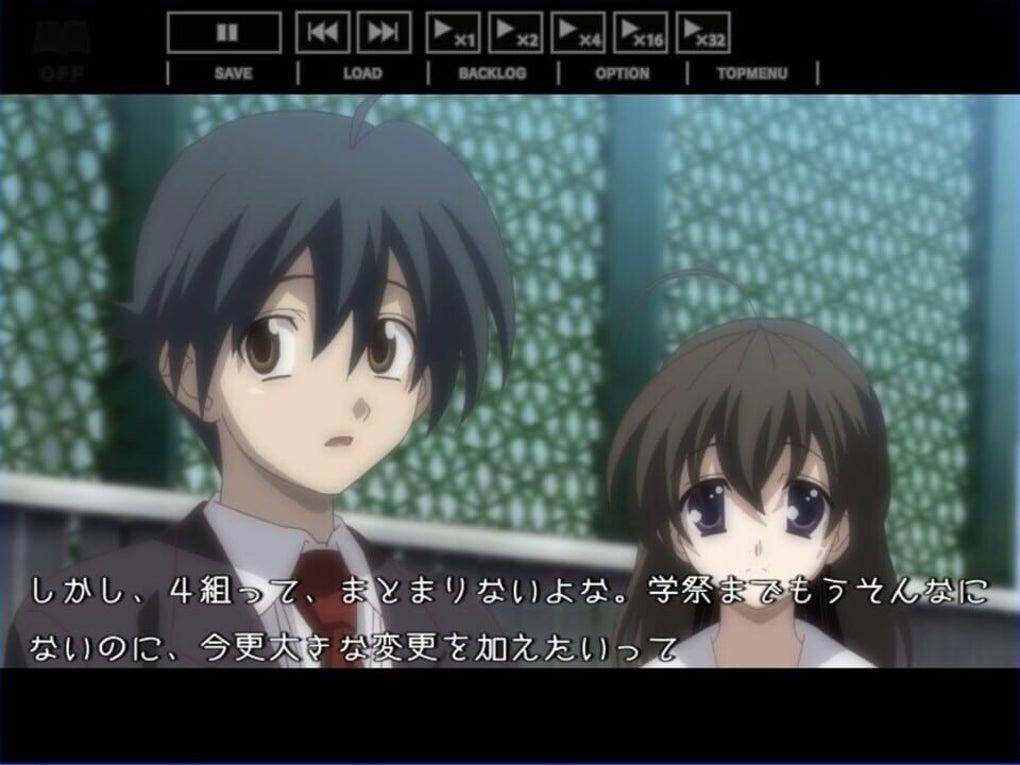
The core of Cross Days’ narrative revolves around the exploration of complex relationships within a high school setting. The game skillfully uses the branching narrative to not only present numerous romantic possibilities but also to delve into the intricacies of friendship, rivalry, and interpersonal conflict. The choices players make often aren’t simply binary “good” or “bad” decisions, but present nuanced moral dilemmas that force reflection on the consequences of actions. The game doesn’t shy away from exploring mature themes, including jealousy, betrayal, and the difficulties inherent in navigating complex relationships. These themes are handled with a level of sensitivity and realism that adds a layer of depth often missing in similar games, raising the stakes beyond simple romantic pursuits. This mature handling of potentially sensitive subject matter distinguishes Cross Days from more simplistic or stereotypical visual novels.
The story’s connection to School Days, while not explicitly detailed in all available descriptions, is a significant aspect that draws many players in. Knowing that it is a parallel story, players naturally seek out the connections and points of divergence, creating an engaging meta-narrative that enhances the overall mystery and intrigue. The shared universe provides context and allows players who are already familiar with School Days to enter the narrative with pre-existing knowledge, enriching their experience and adding another layer of complexity to the game’s storyline. The subtle allusions and echoes of previous events add an element of mystery and suspense, encouraging players to explore the connections and contrasts between the two narratives.
Character Development: More Than Just Faces
Beyond its branching narrative, Cross Days shines through its compelling character development. The game’s cast is diverse, encompassing a range of personalities and backstories. Each character is realistically portrayed with their own unique strengths, weaknesses, and motivations. This level of nuance prevents the characters from becoming mere archetypes; instead, they feel like genuine individuals with whom the player can connect on an emotional level. The depth of the character development enhances the impact of the branching narrative, as players’ choices directly influence how characters perceive and interact with Yuuki, leading to evolving relationships throughout the game. This interconnectivity between choice and character arc makes every playthrough a unique experience.
The relationships are not always straightforward, mirroring the complexities of real-life interactions. Players witness both the joys and heartbreaks of friendship and romance, fostering a sense of realism that enhances emotional investment in the narrative. This realism is further strengthened by the game’s exploration of ambiguous moral situations. Characters make mistakes, display flaws, and sometimes make decisions that have unforeseen consequences. This refusal to present idealized characters allows for a more genuine and relatable experience, ultimately drawing the player deeper into the story. The game isn’t afraid to explore the darker aspects of human relationships, adding another layer of depth and maturity to the overall experience.
Immersive Experience: Graphics and Sound Design
Cross Days benefits from a visually appealing presentation. While the specific graphic style might not be cutting-edge by today’s standards, it effectively serves the narrative, creating an immersive atmosphere consistent with the high school setting. The character designs are expressive, effectively conveying emotions and adding to the overall emotional impact of the narrative. While the visual presentation might not be photorealistic, it’s consistent and well-executed, supporting the overall ambiance and contributing to a cohesive experience. The combination of art style and character design successfully creates a world that players can readily inhabit and connect with.
The soundtrack also plays a significant role in enhancing the player’s immersion. The musical score is carefully crafted to support the emotional tone of each scene, amplifying the impact of significant moments and creating a more memorable experience. The use of music isn’t just background noise; it serves as a narrative element, further reinforcing the emotional weight of the story’s events. The careful integration of music with the visual presentation ensures that the player’s sensory experience is fully engaged, further strengthening the immersive quality of the game. This subtle yet powerful use of music adds another dimension to the narrative, enhancing the emotional connection between the player and the characters.
The Legacy of Cross Days: Why it Matters
Despite its unavailability for download, Cross Days remains a significant title in the visual novel genre. Its innovative approach to branching narratives, richly developed characters, and immersive atmosphere have solidified its place within the hearts of many players. The game’s exploration of complex themes and realistic portrayals of relationships set it apart from many of its contemporaries, making it a memorable and impactful experience for those fortunate enough to have played it. The non-linear gameplay and multiple endings create a sense of lasting intrigue that encourages replayability and discussion among players. Its impact is further cemented by its connection to the popular School Days, adding to its overall significance within the context of visual novel storytelling.
While the reasons behind its removal from download platforms remain unknown, its impact on the genre endures. Its legacy serves as a testament to the potential of visual novels to deliver compelling and emotionally resonant experiences. The game’s lasting popularity speaks to its enduring appeal, highlighting the strength of its narrative and character work. Even without readily available access, discussions about the game, fan-created content, and continued references within the visual novel community demonstrate that Cross Days’ legacy remains vibrant and significant. The game continues to be a topic of conversation and analysis within the visual novel community, signifying its continued relevance and impact despite its inaccessibility. It acts as a compelling example of interactive storytelling that successfully blends complex narratives with emotionally resonant character development.
File Information
- License: “Full”
- Latest update: “March 13, 2025”
- Platform: “Windows”
- OS: “Windows 11”
- Downloads: “6”


