
DC++ (Direct Connect Plus Plus) stands as a prominent player in the realm of peer-to-peer (P2P) file-sharing applications. More than just a file-sharing tool, it fosters a vibrant online community where users connect, exchange files, and engage in conversations. This in-depth exploration delves into the features, functionality, and overall user experience of DC++, examining its strengths and weaknesses within the broader context of modern file-sharing solutions.
User Interface and Functionality: Simplicity Meets Robustness
DC++ distinguishes itself through its user-friendly interface. The layout is intuitive and uncluttered, making it accessible even for users with limited technical expertise. This simplicity is a significant advantage, particularly when compared to some of the more complex P2P clients available. The absence of intrusive advertisements further enhances the user experience, providing a clean and focused environment for file sharing and communication.
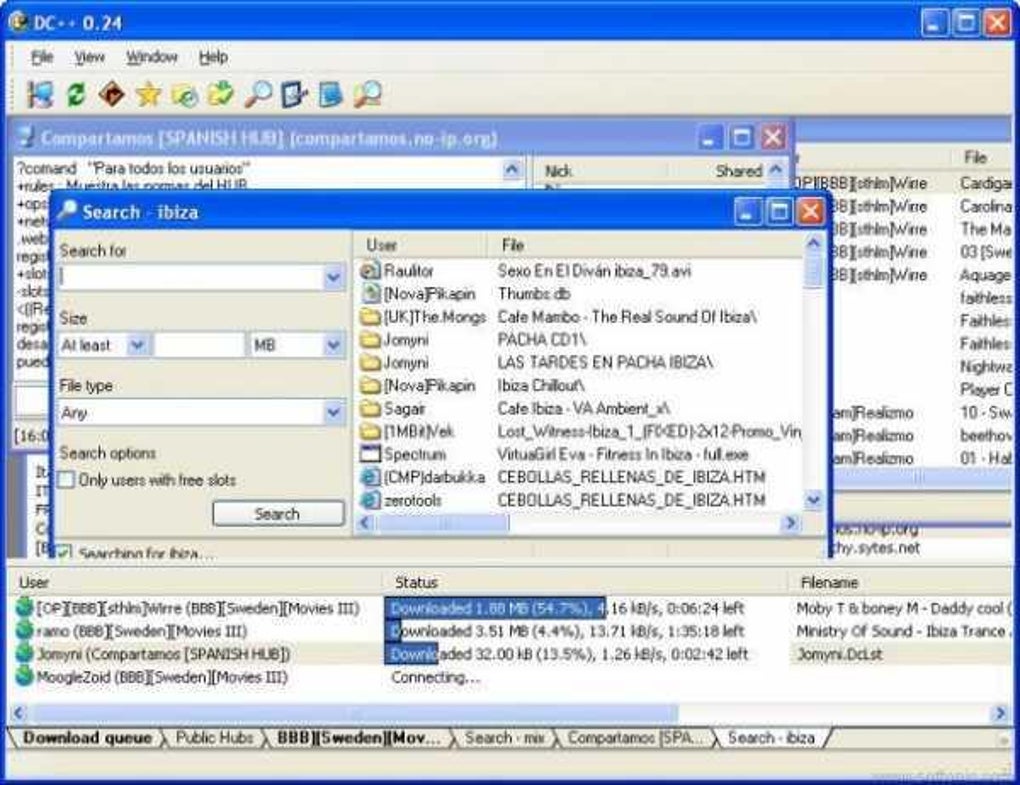
Beyond its aesthetic appeal, the application boasts a robust set of features. Central to its functionality is the ability to connect to multiple Direct Connect hubs concurrently. This allows users to access a broader range of files and communities simultaneously, maximizing the potential for finding desired resources. The integrated search functionality extends across multiple hubs, simplifying the process of locating specific files within the vast network.
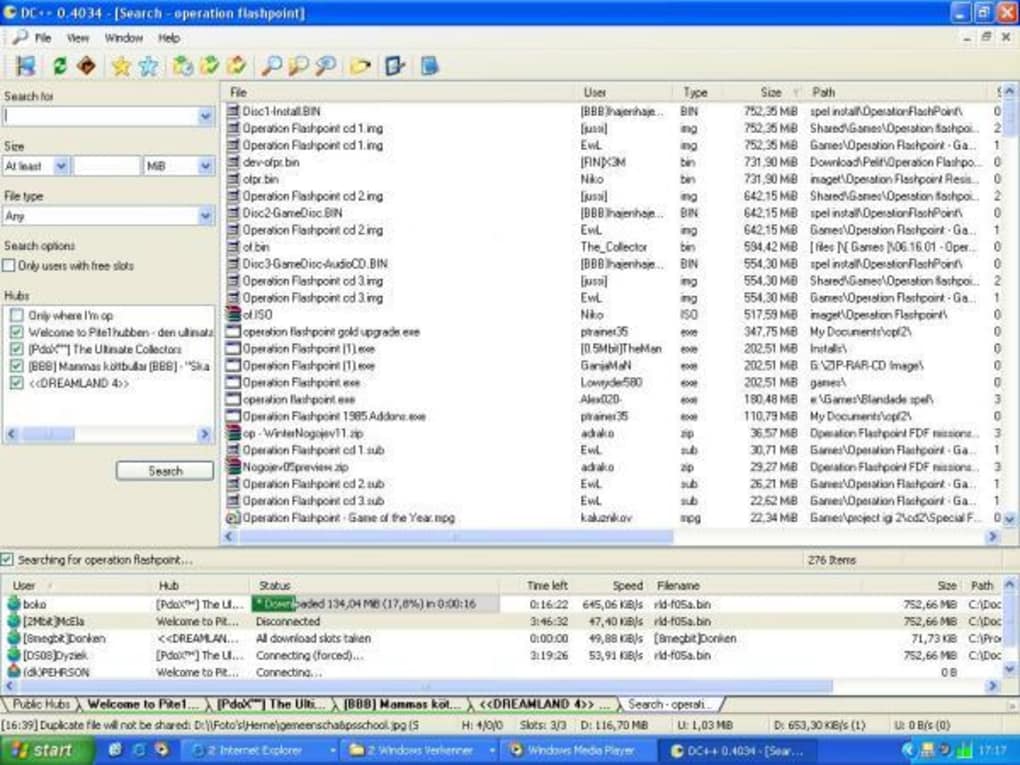
Download resumption is another valuable feature, ensuring that interrupted downloads can be seamlessly restarted from where they left off. This is especially useful for larger files, mitigating the frustration of starting downloads from scratch due to network issues or unexpected interruptions. The inclusion of auto-connection and multi-hub connection capabilities streamlines the connection process, minimizing the manual configuration required for accessing various hubs. Router and firewall support are also built-in, ensuring that the client can function effectively even behind restrictive network configurations.
Connecting and Navigating the DC++ Network: A User’s Perspective
Connecting to a DC++ hub is a straightforward process. Upon installation, users create a nickname and specify a share directory, essentially designating the folder containing files they wish to make available to others on the network. They also set their upload slots, determining the number of simultaneous uploads they are willing to handle. This simple setup process allows users to quickly join the network and participate in file sharing.
An inbuilt public hub directory facilitates the discovery of communities of interest. Users can search using keywords, helping them locate hubs relevant to their specific interests. The primary chat window serves as the interface for various commands, including registering a nickname. Helpful mouse-over labels provide context-sensitive information, further aiding users in understanding the interface and functionalities.
The overall experience of navigating the DC++ network is generally positive, particularly for those who appreciate the smaller, more tightly-knit communities that often form around specific hubs. Users report that community members are often helpful and willing to offer guidance to newcomers. Finding needed files generally proves easy, provided users are connected to a hub relevant to their search criteria. The collaborative nature of the community contributes to a positive and supportive environment. However, this community aspect is a double-edged sword. While providing a helpful aspect for users, it also inherently limits the reach and availability of certain files compared to larger, more anonymous networks.
Advantages and Disadvantages: Weighing the Pros and Cons
DC++ presents several compelling advantages. Its primary strength lies in its combination of ease of use and robust features. The simple interface makes it accessible to a wide range of users, while the advanced functionalities cater to more experienced users. The software is entirely free, eliminating the cost barrier often associated with other P2P applications. The strong community aspect, while potentially limiting in terms of overall file availability, fosters a collaborative and supportive atmosphere. The built-in security features offer users a degree of protection while using the network.
However, DC++ also has limitations. One significant drawback is the restriction of downloads to one source at a time. This limits download speeds, particularly for popular files with limited availability. The dependence on hubs also represents a potential constraint. The availability of specific files depends entirely on the hubs the user connects to, meaning that certain files may be harder to locate than on other, more decentralized P2P networks. The smaller communities may lack the breadth and depth of files found on larger platforms, which limits access to certain niche content.
Comparison with Alternative P2P Clients
DC++ occupies a unique niche in the P2P landscape. Unlike more mainstream clients like uTorrent or BitTorrent, which utilize the BitTorrent protocol, DC++ operates on the Direct Connect network. This difference in underlying technology results in distinct characteristics. While BitTorrent clients boast high download speeds due to their ability to download from multiple sources simultaneously, DC++ prioritizes community interaction and a more controlled environment. Clients such as eMule and StrongDC++ offer comparable features but may differ in interface and community size. The choice of which client to use depends heavily on individual user needs and priorities.
eMule, for example, is known for its robust search capabilities and large community, but its interface can be more complex than DC++. StrongDC++, as the name suggests, is a heavily modified version of DC++, often boasting improved performance and features, but it might also introduce compatibility issues with standard DC++ hubs. FileCroc and Morpheus offer alternative P2P functionalities but may not replicate the community focus of DC++.
Security and Privacy Considerations
While DC++ itself doesn’t inherently pose a security risk, users should be aware of potential vulnerabilities associated with P2P file sharing in general. Downloading files from untrusted sources carries the risk of malware infection. Users should exercise caution when downloading files and only download from sources they deem trustworthy. Furthermore, personal information shared within the DC++ community should be treated with care, as it might be vulnerable to interception or misuse. The use of strong passwords and the avoidance of sharing sensitive personal data are crucial for minimizing potential risks. The network itself is not inherently secure, and the responsibility for safeguarding one’s data and devices ultimately falls on the individual user.
Conclusion: A Niche but Valuable Tool
DC++ remains a valuable tool for users who prioritize community interaction and a user-friendly interface. While its limitations in download speed and file availability compared to some alternative P2P clients are notable, its strengths in simplicity, community focus, and cost-effectiveness make it an appealing choice for many. The selection of a P2P client depends greatly on the user’s individual needs and preferences. If a user values a close-knit community and intuitive functionality over sheer download speeds and access to a broader range of files, DC++ provides a robust and satisfying experience. However, users must be aware of the inherent security risks associated with P2P file sharing and take appropriate precautions to protect their devices and personal information.
File Information
- License: “Free”
- Latest update: “March 7, 2025”
- Platform: “Windows”
- OS: “Windows 8”
- Language: “English”
- Downloads: “115.3K”
- Size: “127.97 MB”


