
Flixster, once a popular movie information and trailer app for Windows 8 and later Windows 10, offered a convenient way to access movie details directly from your desktop. This review examines the app’s functionality, user experience, and its legacy in the context of modern movie-finding applications. While no longer actively developed or available for download from official channels, Flixster provides a fascinating case study in the evolution of entertainment apps and the challenges of maintaining relevance in a rapidly changing digital landscape.
A Windows 8 Metro App for Movie Buffs
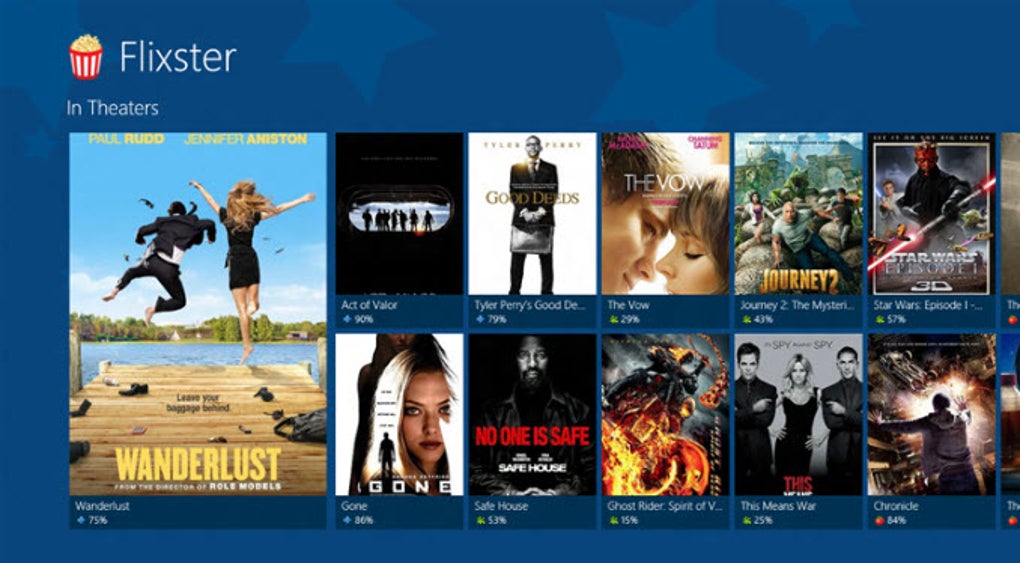
Released in March 2012, Flixster capitalized on the then-new Windows 8 Metro interface. Its clean design and intuitive navigation were a welcome addition to the emerging Windows 8 app ecosystem. The app provided users with a streamlined way to discover movies, watch trailers, read reviews, and find local showtimes, all within a single application. This integration into the Windows Metro interface was a key selling point, offering a visually appealing and user-friendly experience compared to navigating multiple websites.
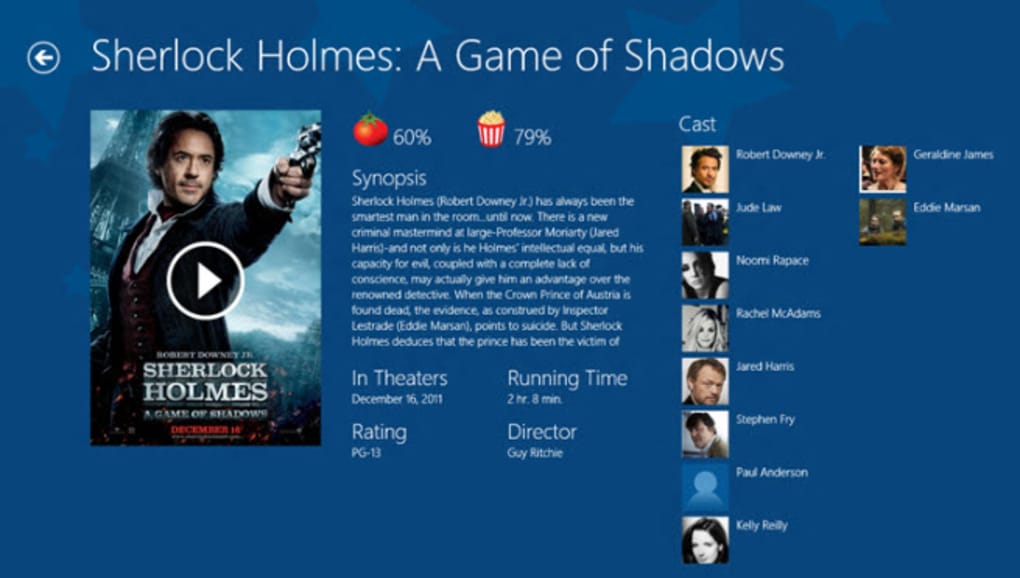
The app’s core functionality centered around providing comprehensive information about films. Users could browse movies by various categories, search for specific titles, and access detailed information pages for each film. These pages typically included:
- High-quality images: The app showcased attractive movie posters and stills, enhancing the visual appeal.
- Trailers: Users could watch trailers directly within the app, eliminating the need to navigate to separate video platforms.
- Synopsis: A concise summary of the movie’s plot was readily available.
- Cast and Crew: The app typically listed the main cast members, further aiding in film discovery.
- Ratings and Reviews: Flixster aggregated ratings and reviews from various sources, including its own user base and Rotten Tomatoes, offering a comprehensive view of critical and audience reception. This aggregation of perspectives provided users with a balanced perspective before making decisions about seeing a movie.
The bottom scroll bar, a feature common in many Windows 8 apps, allowed for horizontal navigation through lists of movies, providing a smooth and engaging browsing experience within the app’s interface.
Strengths and Weaknesses of the Flixster App
Despite its strengths, Flixster wasn’t without its drawbacks. One significant issue reported by users was difficulty with installation. Some users experienced consistent failures in the initial download and installation process, a frustrating experience that could deter potential users. This technical hurdle highlights a crucial aspect of app development: a robust and reliable installation process is paramount to user satisfaction.
Beyond installation issues, Flixster’s dependence on the Windows 8 Metro interface ultimately became a limitation. With the shift to Windows 10 and the subsequent abandonment of the Metro design principles, the app’s design and functionality felt increasingly outdated. While it might have continued to function on Windows 10, the lack of updates and the evolving expectations of users contributed to its eventual decline in popularity.
User Reviews: A Mixed Bag
User reviews of Flixster on platforms like Phanmemfree reflect a mixed reception. While some users praised the app’s ease of use and the comprehensive movie information it provided, others highlighted the recurring installation problems. One user review from April 4, 2014, poignantly summarizes this sentiment: “Won’t download correctly on windows 8 to open and use… Tried downloading 6 times and everytime I download it, it won’t open on my windows 8 OS. Pros: NOTHING!!!!!!!! I really would like to try Flixster. Cons: The ability to open and use program. The ability to contact support.”
This review underscores a critical point: even with a well-designed app, technical glitches and a lack of accessible support can significantly impact user satisfaction and overall perception of the product. The inability to reliably install and use the app overshadowed the positive aspects of its functionality for many users. The lack of response to user issues further exacerbated the problem, contributing to negative reviews and ultimately, the app’s decline.
The Flixster Legacy and Modern Alternatives
Flixster’s story serves as a reminder of the transient nature of software and the importance of adaptation in the face of evolving technology and user expectations. While the app itself is no longer accessible, its core functionality has been absorbed into a variety of modern movie-finding and streaming platforms. Today, users have access to a plethora of services that offer far more comprehensive features than Flixster ever could. These platforms incorporate features like:
- Integrated streaming: Many platforms offer direct access to streaming services, seamlessly integrating movie viewing with information discovery.
- Personalized recommendations: Advanced algorithms provide customized movie suggestions based on user viewing history and preferences.
- Social integration: Users can share their viewing experiences and interact with friends and other movie enthusiasts.
- Advanced search and filtering: Sophisticated search options allow for granular filtering based on genre, actors, directors, and ratings.
- Cross-platform compatibility: Modern apps are generally designed for seamless compatibility across multiple devices and operating systems.
Services like IMDb, Rotten Tomatoes, various streaming platforms’ own apps (such as Netflix, Hulu, etc.), and dedicated movie aggregators have surpassed Flixster in terms of features, accessibility, and user experience. While Flixster may be a relic of the past, its existence highlights the path of evolution in the world of movie-finding technology and the constant need for adaptation to remain relevant. The lessons learned from its development and eventual decline can inform the design and development of future entertainment applications.
Conclusion: A Snapshot in Time
Flixster for Windows 10 represented a specific point in the evolution of entertainment applications. Its integration with the Windows 8 Metro interface was innovative for its time, and its commitment to providing comprehensive movie information was commendable. However, its persistent installation issues and inability to adapt to the changing landscape of the Windows operating system ultimately led to its demise. The app serves as a valuable case study, reminding developers of the importance of robust development, responsive user support, and continuous adaptation to evolving technologies and user expectations. While it’s no longer available, Flixster’s existence offers a glimpse into a time when the integration of entertainment and operating systems was taking its first steps towards the seamless experiences we enjoy today.
File Information
- License: “Free”
- Latest update: “March 16, 2012”
- Platform: “Windows”
- OS: “Windows 10”
- Language: “English”
- Downloads: “20.4K”


