
The saga of Game of Thrones, a phenomenon that began as George R.R. Martin’s epic fantasy novels before becoming HBO’s globally acclaimed television series, extended its reach into the interactive realm with Game of Thrones - A Telltale Games Series. Developed by Telltale Games, known for their unique brand of narrative-driven point-and-click adventure titles like The Walking Dead and Tales from the Borderlands, this adaptation promised to immerse players directly into the brutal politics and unforgiving landscapes of Westeros. Launched across six episodic chapters, the game offered fans a chance to not just observe the struggles of noble houses, but to actively participate in the desperate fight for survival, making gut-wrenching decisions that carried the true weight of the Seven Kingdoms.
The question for many was whether a premium game could stand shoulder-to-shoulder with its revered source material, offering a distinctive gaming adventure without merely mimicking the show. Without revealing critical plot points, this extensive exploration will delve into whether Telltale’s iteration successfully carved out its own independent appeal, cementing its place as a significant, albeit tragically unfinished, chapter in the Game of Thrones universe.
Forging a New Path: House Forrester and Familiar Faces
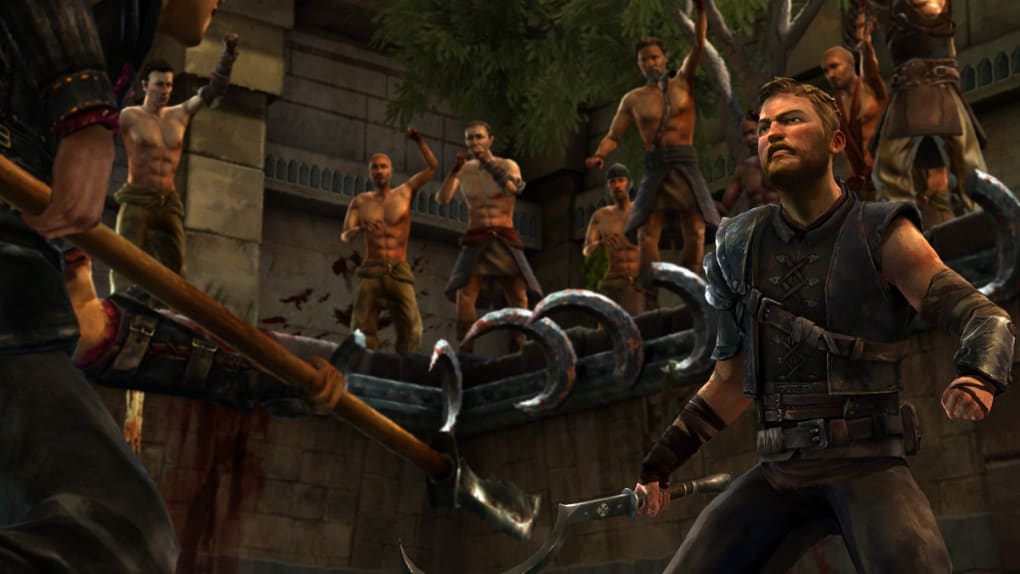
Telltale’s Game of Thrones cleverly positions its narrative within the existing canon of the HBO series, taking place between the tumultuous events of its fourth and fifth seasons. This strategic placement allows the game to weave its own original story threads while leveraging the established world and characters that fans adore. Rather than merely retelling familiar plots, the game introduces an entirely new noble family from the North, House Forrester of Ironrath. The Forresters, loyal bannermen to the ill-fated House Stark, find themselves caught in the devastating repercussions of the infamous Red Wedding – a pivotal moment that irrevocably alters the balance of power in Westeros.
Players are thrust into the shoes of multiple members of House Forrester, each grappling with unique challenges and perspectives. From the young squire Gared Tuttle, exiled to the Wall to serve in the Night’s Watch, to the Lady of Ironrath, Elara Forrester, and her children, Rodrik, Asher, Mira, and Ethan, the narrative jumps between these protagonists. This multi-character perspective is a hallmark of Telltale’s storytelling, allowing for a broader view of the conflict and deepening the player’s connection to the family’s plight. The Forresters’ struggle for survival against the predatory House Whitehill, who seized control of Ironrath following the Stark downfall, forms the central conflict, mirroring the larger struggles for power and justice that define Game of Thrones.
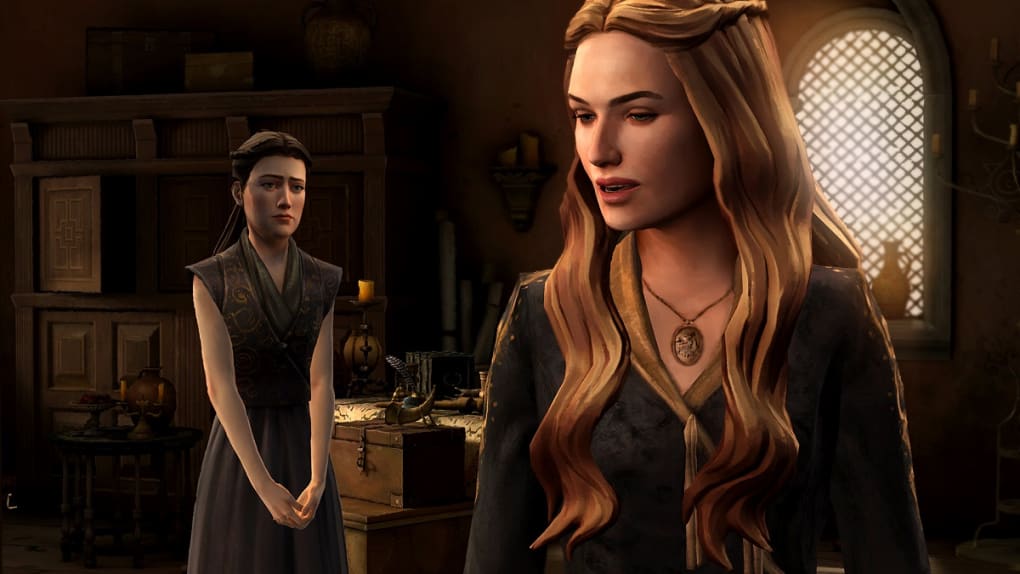
One of the game’s significant draws is the inclusion of several beloved characters from the television series, portrayed by their original voice actors. Lena Headey reprises her role as the cunning and ruthless Cersei Lannister, her voice dripping with venom and authority. Peter Dinklage lends his inimitable presence to Tyrion Lannister, providing moments of wit and unexpected counsel. Natalie Dormer returns as the enigmatic Margaery Tyrell, navigating the treacherous political landscape of King’s Landing. Even Kit Harington, though briefly marred by an awkward dubbing issue in one section, lends his voice to the stoic Jon Snow. These appearances are not mere cameos; they are integrated into the Forrester storyline, often serving as crucial points of interaction where players must exercise extreme caution in their choices. Interacting with these iconic figures, knowing their established personalities and the power they wield, significantly elevates the immersion and tension.
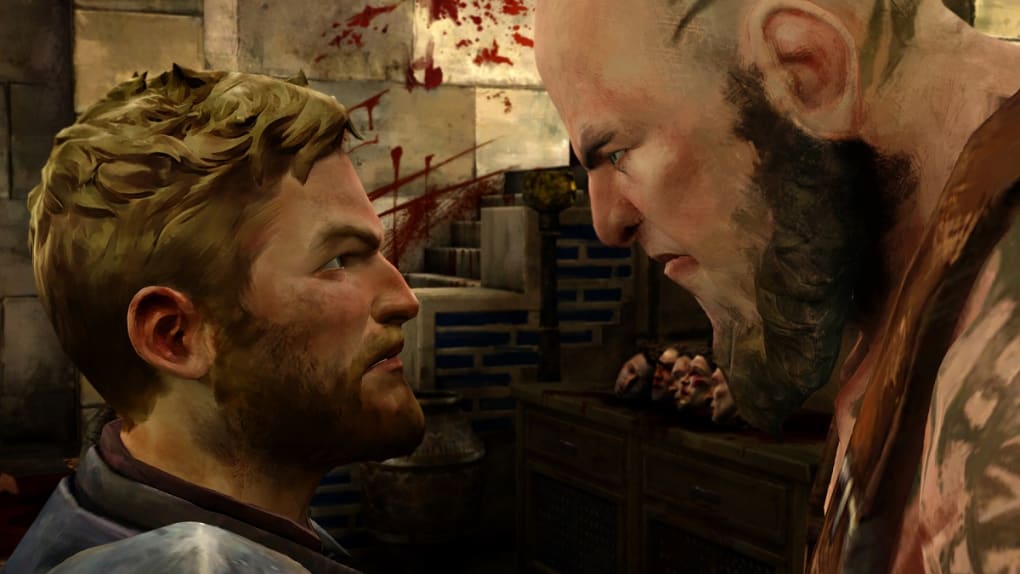
The decision to introduce a new house was a brilliant move, allowing Telltale the creative freedom to explore untold stories and consequences without directly interfering with the overarching narrative of the books or show. It gives players a fresh perspective on the suffering and sacrifices endured by the lesser houses caught in the crossfire of the great game, making the personal stakes feel incredibly real and immediate.
A Tapestry of Choice and Consequence: The Unyielding Weight of Westeros
At its core, Game of Thrones - A Telltale Games Series is a masterclass in interactive storytelling, relying heavily on player choices to shape the narrative. Unlike the passive experience of watching the TV show, the game demands active participation, making players feel the true gravity of each decision. Telltale’s signature gameplay style, a sophisticated evolution of the classic point-and-click adventure, places player agency at the forefront.
The Mechanisms of Decision-Making
The mechanics are deceptively simple: players navigate environments by pointing and clicking where they wish to move or interact. The bulk of the gameplay, however, revolves around dialogue trees and timed choices. Every conversation presents multiple dialogue options, each carrying potential consequences for how other in-game characters perceive the player and how subsequent events unfold. These choices often force players into moral quandaries, forcing them to weigh honor against survival, loyalty against pragmatism, or vengeance against mercy. There are no easy answers, and the game excels at making every choice feel genuinely significant, contributing to a constant state of anxiety and responsibility.
Beyond dialogue, the game incorporates quick-time sequences where players must rapidly press buttons or dodge prompts to succeed in combat or avoid immediate danger. While these action sequences are not the primary focus—indeed, players are primarily engaged for the rich narrative—they inject bursts of adrenaline, breaking up the dialogue-heavy segments and adding an element of immediate peril. The emphasis remains firmly on the narrative and the dramatic tension inherent in the choices presented.
What sets Telltale’s Game of Thrones apart, even from their other successful titles, is the sheer agony induced by its decision-making. The stakes are perpetually high, reflecting the brutal world of Westeros where alliances are fragile, betrayals are commonplace, and death can come swiftly and unexpectedly. Players often find themselves agonizing over choices, second-guessing every word spoken, every alliance forged, and every act of defiance or submission. This level of emotional investment is a testament to the game’s writing and its ability to replicate the show’s intense atmosphere of dread and unpredictability.
The Illusion of Control: Shaping Perceptions, Not Destiny
One aspect that some players might find frustrating is the game’s inherent limitation: while player choices profoundly affect the immediate unfolding of the story and how characters react to them, they cannot fundamentally alter the overall outcome of the larger narrative arc. The fate of House Forrester, in a broader sense, is predetermined to align with the game’s established lore and its place within the Game of Thrones universe. However, to view this as a flaw is to misunderstand Telltale’s narrative design philosophy.
The brilliance lies not in changing the “ending,” but in owning “your” journey. The game focuses on the personal experience, the micro-consequences of individual decisions. Will you be seen as honorable or cunning? Merciful or ruthless? A survivor or a martyr? These perceptions and the immediate narrative branches are entirely shaped by player choice, leading to vastly different interactions and character fates within each playthrough. The ability to compare your decisions with those of other players after each chapter further highlights the diversity of approaches and the unique paths forged by different individuals. This design encourages multiple playthroughs, inviting players to explore alternative choices and witness the nuanced ways the story can shift based on their input. This system ensures a consistent overarching narrative across all players, crucial for an episodic series with a definitive beginning and end, while still providing a deeply personal and impactful journey.
The Weight of Westeros: Narrative Brilliance and Emotional Resonance
The narrative of Game of Thrones - A Telltale Games Series is arguably its strongest asset, a compelling tapestry of political intrigue, familial loyalty, and desperate survival that rivals the very best seasons of the HBO show. The story is rife with unexpected twists and turns, ensuring that players remain constantly on edge, never quite sure whom to trust or what horrors lie around the next corner. The writers skillfully capture the essence of Game of Thrones: a world where justice is rare, consequences are severe, and even the most righteous actions can lead to tragic outcomes.
Crafting a Compelling Narrative
The introduction of House Forrester allows Telltale to explore themes of resilience and sacrifice from a fresh perspective. Their struggle to hold onto their ancestral home, Ironrath, and its valuable ironwood forests against the ruthless House Whitehill, resonates deeply with the core conflicts of the broader Game of Thrones universe. Players are forced to confront the harsh realities of feudal power, where the weak are exploited, and survival often necessitates morally ambiguous choices. The game excels at creating a persistent sense of impending doom, reflecting the perilous nature of Westeros where no character, regardless of their status or apparent safety, is truly safe.
The quality of the voice acting further elevates the narrative. As mentioned, the returning TV cast members deliver stellar performances, adding authenticity and star power. However, the voice actors for the original Telltale characters are equally impressive, breathing life into the Forrester family and their allies and enemies. Their performances convey the desperation, fear, anger, and occasional flickers of hope that define their existence. The emotional depth brought forth by these actors makes the player’s connection to their characters all the more profound, intensifying the impact of every decision and its aftermath.
Gut-Wrenching Stress and Overwhelming Dread
One of the most striking aspects of the game is its ability to induce genuine stress and an overwhelming sense of dread. If watching the Game of Thrones show left viewers feeling anxious and heartbroken, playing the Telltale series amplifies those feelings tenfold. The constant pressure of making choices with unknown ramifications, the fear of inadvertently condemning a beloved character, or the realization that even the “right” decision might lead to further suffering, creates a deeply unsettling but utterly captivating experience. After each of the six episodes, players are left with a lingering question: “Did I make the right choice?” This internal struggle is a testament to the game’s immersive power and its success in translating the core anxieties of Westeros into an interactive format.
The game thrives on its ability to create moral dilemmas that have no clear-cut “good” or “bad” answers, forcing players to confront the shades of grey that define the world of Westeros. This makes the game incredibly engaging for fans who appreciate the nuanced storytelling and character development inherent in the Game of Thrones saga. It is highly recommended that players watch at least the first four seasons of the TV show before diving into the game, as the narrative assumes a certain level of familiarity with the world, its politics, and its key players. Without this foundational knowledge, much of the emotional impact and intricate plot might be lost.
The Unfinished Saga: Telltale’s Demise and the Game’s Legacy
Initially enjoying considerable success and critical acclaim, Game of Thrones: A Telltale Games Series was always envisioned as an ongoing saga, with plans for a second season firmly in place. However, the trajectory of this anticipated continuation, much like many stories in Westeros, took a tragic and unforeseen turn.
The Creative Pause and Subsequent Collapse
The creative team at Telltale Games made the strategic decision to delay the development of Season 2. Their reasoning was sound: they wanted to allow the HBO Game of Thrones series to conclude its final season. This pause was intended to give Telltale the opportunity to align their narrative direction more effectively with the ultimate fate of the major houses and characters in the television universe, ensuring that their game’s story would fit seamlessly within the established lore without contradicting or being contradicted by the show’s endgame. This cautious approach underscored their commitment to delivering a faithful and impactful experience for fans.
Tragically, this intended pause became an indefinite halt, leading to the ultimate cancellation of the much-anticipated second season. Telltale Games, a studio that had pioneered and popularized the episodic narrative adventure game format, began to encounter significant internal turmoil. Reports emerged of grueling crunch periods, unsustainable development cycles, and management issues that severely hampered the studio’s operations. This organizational instability culminated in a devastating collapse, leading to mass layoffs, the ceasing of all projects in development—including the Game of Thrones sequel—and ultimately, the studio’s bankruptcy. The announcement sent shockwaves through the gaming community, as a beloved and innovative developer ceased to exist.
Withdrawal and Lasting Impact
The unfortunate consequence of Telltale’s demise was the withdrawal of many of its titles, including Game of Thrones: A Telltale Games Series, from major digital storefronts like Steam, PlayStation Store, and Xbox Marketplace. This meant that the game became largely unavailable for new purchases or downloads, a heartbreaking development for fans who either hadn’t played it yet or wished to revisit the saga. While physical copies or existing digital licenses might still be playable for some, the official avenues for acquiring the game have largely vanished, leaving its story tantalizingly unfinished in the annals of gaming history.
The abrupt end to Telltale’s Game of Thrones saga leaves a bitter taste, a poignant reminder of creative ambitions cut short by corporate realities. Despite its unfinished nature, the game’s legacy remains significant. It stands as a powerful example of interactive storytelling, demonstrating how video games can offer a deeply personal and emotionally resonant experience within a beloved fictional universe. For many, it remains a “what if” scenario—what if Telltale had survived, and what if House Forrester’s story had reached its intended conclusion? Nevertheless, the six existing episodes deliver a gripping and memorable journey, leaving a lasting impression on those who dared to step into the shoes of the struggling Forresters.
Critical Reception, Enduring Appeal, and Final Verdict
Game of Thrones - A Telltale Games Series largely succeeded in its ambitious endeavor to translate the complex, brutal, and emotionally taxing world of Westeros into an interactive format. It garnered considerable praise upon its release for its compelling narrative, the courageous decision-making it demanded, and its ability to evoke the same visceral reactions as its television counterpart.
The Highs and Lows
Pros:
- Tough Decisions: The core strength of the game lies in its uncompromising choices. Players are constantly faced with no-win scenarios and morally ambiguous decisions, creating a genuinely stressful and deeply engaging experience that mirrors the brutal ethos of Game of Thrones.
- Great Voice Acting: The return of key cast members from the HBO series, alongside a strong ensemble cast for the original characters, significantly elevates the game’s immersion and emotional weight. Their performances bring depth and authenticity to every interaction.
- Excellent, Unique Story: The introduction of House Forrester and their struggle provides a fresh, yet intrinsically Game of Thrones story, rich with political intrigue, familial drama, and desperate battles for survival. It expertly weaves new lore into the existing universe.
- Beautiful Graphics (for its style): While Telltale’s distinctive cell-shaded art style may not appeal to everyone, it effectively conveys the grim and gritty aesthetic of Westeros. The character models and environmental designs are well-executed, contributing to the game’s immersive atmosphere.
Cons:
- Can’t Influence the Overall Ending: For some, the inability to drastically alter the predetermined overarching fate of House Forrester might be a point of contention. However, as discussed, the game’s strength lies in shaping the journey and character perceptions, rather than rewriting destiny.
- Awkward Controls at Times: The point-and-click interface, combined with occasional quick-time events, could sometimes feel clunky or unresponsive, particularly during more action-oriented sequences. This occasionally broke immersion but was generally a minor issue compared to the narrative strengths.
A Must-Play for Fans
For die-hard fans of Game of Thrones, this Telltale series is highly recommended. It offers an unparalleled opportunity to experience the world of Westeros not as a mere observer, but as an active participant whose choices carry palpable weight. The game demands investment, both emotionally and intellectually, rewarding players with a deeply personal and often agonizing journey through a familiar yet unexplored corner of the Seven Kingdoms. However, as noted, prior knowledge of the TV series (at least the first four seasons) is crucial to fully grasp the context, character motivations, and the profound implications of the Red Wedding, which serves as the catalyst for House Forrester’s trials.
Ultimately, Game of Thrones - A Telltale Games Series is a testament to the power of interactive narrative. Despite its tragic discontinuation and removal from digital storefronts—a direct consequence of Telltale Games’ unfortunate collapse—the six episodes that were released stand as a powerful and poignant narrative. It is a game that pushes players to their emotional limits, forcing them to confront the brutal realities of power, loyalty, and survival in a world where good intentions often pave the road to hell. It may be an unfinished tale, but its legacy as a compelling, gut-wrenching, and truly memorable chapter in the Game of Thrones saga remains firmly intact for those fortunate enough to have experienced its harrowing journey, and for those who still manage to unearth it from the archives of gaming history. PhanMemFree recognizes it as a standout example of how a video game can enhance and enrich an existing narrative universe, leaving players with an overwhelming sense of dread and an unforgettable story.
File Information
- License: “Full”
- Latest update: “December 6, 2023”
- Platform: “Windows”
- OS: “Windows XP”
- Language: “English”
- Downloads: “34.6K”


