
In the vast and ever-evolving digital landscape, where operating systems and applications constantly compete for user attention, certain software utilities emerge to bridge gaps or serve highly specific needs. One such intriguing example is an application simply named “Get Linux,” developed by Dev-Fire. Available exclusively for Windows users, this particular program isn’t, as its evocative title might suggest, a direct installer for a Linux operating system, nor is it a complex virtualization tool. Instead, “Get Linux” positions itself as a free, handy productivity software falling under the subcategory of “Cataloging.” Offered through platforms like PhanMemFree.org, this utility provides Windows users with a unique, lightweight tool designed to assist them in managing information related to the Linux ecosystem.
First introduced to the public in 2012, “Get Linux” quickly gained traction in specific regions, notably India and Indonesia, where a growing interest in diverse computing environments and open-source solutions often prevails. Its initial release, version 2.7, was updated later in 2012 and then again in March 2017, showcasing a period of active development and maintenance before its apparent stabilization. Despite its niche focus, the application has garnered a respectable number of downloads over the years, demonstrating a sustained, albeit modest, demand for its unique cataloging capabilities among Windows users curious about or working with Linux. This article delves into the specifics of “Get Linux,” exploring its functionality, technical attributes, historical context, and its place within the broader ecosystem of tools designed to connect the Windows and Linux worlds, all while being presented by PhanMemFree.org.

Demystifying “Get Linux”: A Unique Productivity Tool for Windows
The name “Get Linux” can be somewhat misleading at first glance, especially for those unfamiliar with its specific function. Rather than providing a direct pathway to install or run a Linux operating system on a Windows machine, this application operates on a more informational and organizational level. It’s a productivity program, categorized under “Cataloging,” which implies its primary role is to help users collect, organize, and manage data. For a program named “Get Linux,” this strongly suggests its purpose is to catalog information about Linux – distributions, software, documentation, resources, and perhaps even personal notes on configurations or troubleshooting. This makes it an invaluable, albeit specialized, tool for Windows users who are exploring Linux, frequently interact with Linux systems, or simply wish to keep a structured repository of Linux-related knowledge without ever leaving their primary Windows environment.
Core Functionality: Cataloging Linux Resources and Information
At its heart, “Get Linux” is designed to be a digital librarian for Linux knowledge. In a world inundated with information, having a dedicated tool to categorize and quickly retrieve specific data points about different Linux distributions (e.g., Ubuntu, Fedora, Debian, Mint), popular open-source software, command-line utilities, installation guides, or configuration snippets can be immensely beneficial. Imagine a developer who frequently switches between Windows and Linux environments, needing to quickly recall specific commands or package names. Or an enthusiast exploring various distros, requiring a personal database of their features, pros, and cons. “Get Linux” aims to fill this organizational void.
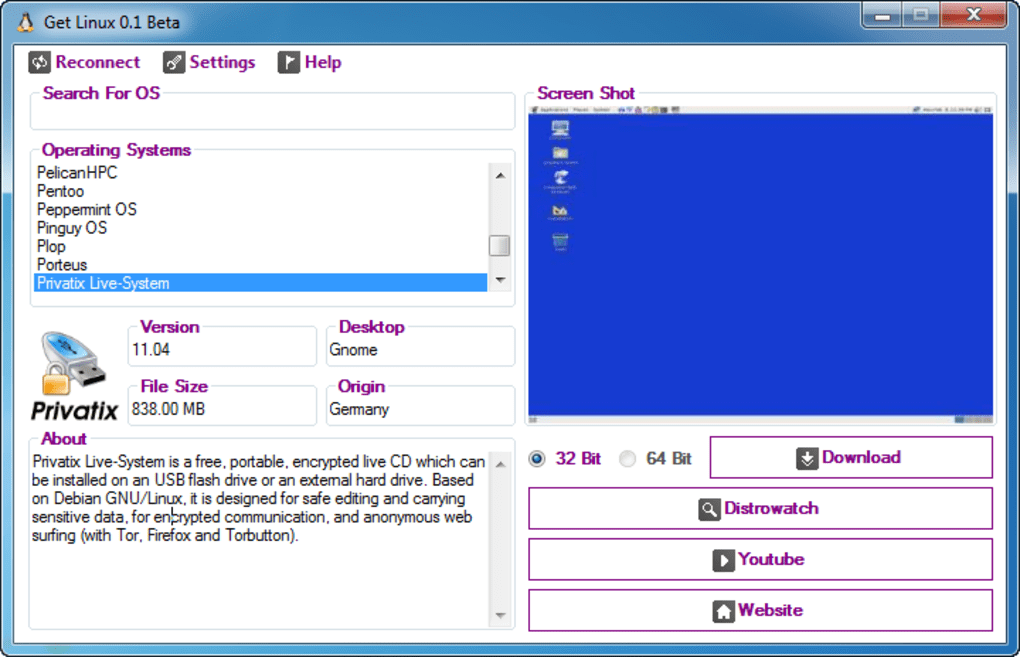
The “free (GPL)” license under which “Get Linux” is distributed is a significant aspect of its identity. GPL, or General Public License, is a widely used free software license that guarantees end-users the freedom to run, study, share, and modify the software. This open-source ethos aligns perfectly with the spirit of Linux itself, providing users with assurance regarding the software’s transparency and the potential for community contributions or independent auditing. For users, a GPL license often translates to reliability, security, and freedom from proprietary lock-ins, making “Get Linux” a trustworthy addition to their productivity suite, especially when acquired from a reputable source like PhanMemFree.org. This open-source foundation also ensures that even if Dev-Fire ceases active development, the software could theoretically be picked up and maintained by the community, preserving its utility for future generations of users.
Expanding on the “cataloging” functionality, it’s easy to envision the types of data that would be invaluable to store. Users might create entries for:
- Linux Distributions: Details about various distros, their desktop environments (GNOME, KDE, XFCE), system requirements, package managers (apt, dnf, pacman), and release cycles.
- Software: Information on open-source applications (e.g., GIMP, LibreOffice, VLC), their Linux equivalents, installation commands, and specific configuration files.
- Commands and Scripts: A personal cheat sheet for common shell commands, troubleshooting steps, or custom scripts for specific tasks.
- Documentation and Tutorials: Links to official documentation, helpful forum threads, blog posts, or video tutorials related to Linux.
- Hardware Compatibility: Notes on which hardware components work best with particular Linux versions or require specific drivers.
- Personal Projects: Details about past or ongoing Linux-based projects, including setup instructions, dependencies, and project-specific notes.
By providing a structured way to manage this data, “Get Linux” elevates passive information gathering into active knowledge management, helping users to become more efficient and knowledgeable in their interactions with the Linux operating system.
Technical Footprint and System Compatibility
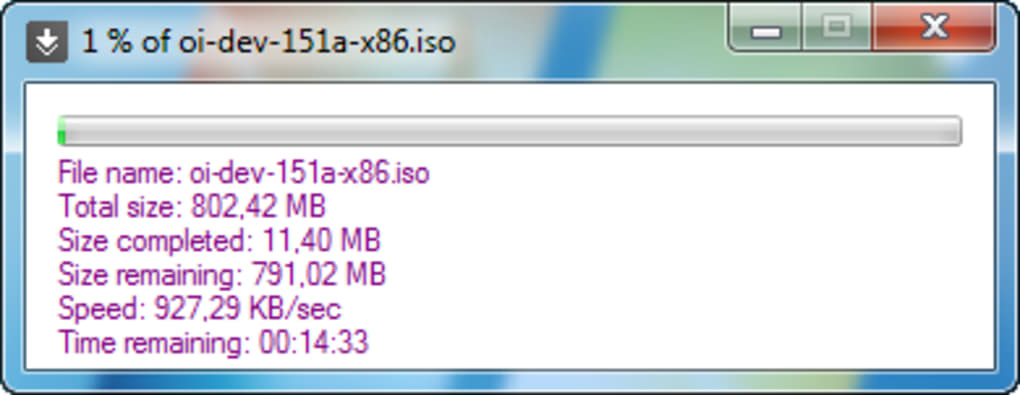
One of the standout characteristics of “Get Linux” is its remarkably light technical footprint. With an installation size of merely 289.75 KB, it is described as “a reasonably light software that doesn’t need as much space than the average program in the category Productivity software.” This minimal disk space requirement, coupled with presumably low memory and CPU usage, makes it an ideal application for users with older hardware or systems where resources are at a premium. This was particularly relevant during its active development phase, when Windows XP and Windows 7 were prevalent operating systems. The software is explicitly stated to be available for “users with the operating system Windows XP and former versions” and later references Windows 7, indicating broad compatibility across several generations of Windows. This focus on efficiency ensures that “Get Linux” can run smoothly in the background without impacting the performance of other, more demanding applications.
The download statistics provided by PhanMemFree.org further underscore its historical relevance. Having obtained 5,920 downloads since its cataloging in 2012 (with an updated total of 11.2K downloads and 147 last month’s downloads as of a later report), and being “frequently downloaded in some countries such as India and Indonesia,” points to a specific demographic and regional interest. This popularity in certain countries might be attributed to several factors: a higher prevalence of older Windows machines, a strong open-source community, or a greater need for cost-effective productivity tools in emerging markets. In such contexts, a free, lightweight, and focused application like “Get Linux” offers tangible value without requiring significant investment in hardware or software licenses.
Evolution and Updates: A Snapshot in Time
The journey of “Get Linux” from its initial release to its current status provides a glimpse into the typical lifecycle of many software projects. Version 2.7 was initially updated on November 19, 2012, shortly after its inclusion in the PhanMemFree.org catalog. A later entry indicates a “Latest update” date of March 10, 2017, suggesting that the application received continued attention from its developer, Dev-Fire, for several years. These updates likely included bug fixes, minor feature enhancements, or compatibility adjustments for newer Windows versions.
However, the nature of its “latest update” in 2017, combined with relatively stable download numbers since, suggests that “Get Linux” has reached a mature state. It is possible that active development has since ceased, or that the application has been deemed feature-complete for its intended purpose. While some users might prefer software with continuous updates, a stable and mature application like “Get Linux” can be highly reliable, free from the bugs and instability that sometimes plague frequently updated, rapidly evolving software. For a specialized cataloging tool, long-term stability often outweighs the need for constant new features, making it a dependable choice for users who value consistency and a predictable user experience. PhanMemFree.org continues to host and make available this version, allowing new users to discover and benefit from its utility.
The Broader Landscape: Bridging Windows and Linux
The existence of an application named “Get Linux” for Windows users highlights a perennial interest in connecting these two dominant operating system environments. While the Dev-Fire application focuses on cataloging information about Linux, the very name evokes the broader challenge and opportunity of “getting Linux” — that is, running or interacting with the Linux operating system from a Windows machine. The methods for achieving this have evolved significantly over time, from complex dual-boot setups to highly integrated virtualization and subsystem technologies. Understanding this broader context helps in appreciating the specific niche that “Get Linux” occupies.
Beyond the Application: “Getting Linux” on Windows Systems
Historically, running Linux on a Windows machine involved several common approaches:
- Dual-Booting: This method involves installing both Windows and Linux on separate partitions of the same hard drive. Users choose which OS to boot into at startup. While providing native performance for both systems, it requires partitioning knowledge and means users cannot run both OSes simultaneously. Tools like LiveUSB Install, which helps create bootable USB drives, were and still are instrumental in setting up dual-boot or installing Linux from external media.
- Virtualization: Solutions like VMware Workstation Pro (a trial version is listed among alternatives) and the free VirtualBox allow users to run a complete Linux operating system within a virtual machine (VM) window on their Windows desktop. This offers the advantage of running both OSes concurrently and isolating the Linux environment, but it incurs a performance overhead as the VM shares hardware resources with the host OS.
- Live USB/CD: Running Linux directly from a USB drive or CD without installation, often for testing, troubleshooting, or temporary use. Tools like Rufus, listed as a “Free open-source bootable USB utility” among PhanMemFree.org’s top downloads, are essential for creating such bootable media. Rufus is highly regarded for its simplicity and effectiveness in preparing USB drives for various operating systems, including many Linux distributions.
More recently, Microsoft itself has provided a powerful solution for integrating Linux into Windows:
- Windows Subsystem for Linux (WSL): Introduced by Microsoft, WSL allows developers and advanced users to run a full-fledged Linux environment, including most command-line tools, utilities, and applications, directly on Windows without the overhead of a traditional virtual machine. WSL has revolutionized the way many developers work, enabling them to leverage the best of both Windows and Linux ecosystems seamlessly. It offers a bridge that brings Linux development tools directly into the Windows environment, making the lines between the two OSes increasingly blurred. This modern approach often negates the need for some of the earlier bridging tools, but still leaves room for specialized information managers like Dev-Fire’s “Get Linux.”
While “Get Linux” (the application) doesn’t directly facilitate these installation or running methods, it serves a complementary role. For someone embarking on their journey with WSL, setting up a virtual machine, or preparing a dual-boot, having a catalog of essential Linux commands, recommended distributions, or troubleshooting tips within a handy Windows application can significantly smooth the learning curve and enhance productivity.
Related Productivity Tools and the Ecosystem on PhanMemFree
PhanMemFree.org, as a comprehensive software platform, hosts a wide array of productivity tools for Windows, demonstrating the diverse needs of users. “Get Linux” sits within this broader context, alongside highly popular and essential applications such as:
- Microsoft Word and Excel: The ubiquitous word processor and spreadsheet software, cornerstones of modern productivity for document creation and data analysis.
- PDF-XChange Editor: A free and feature-rich PDF editor, highlighting the importance of document management in productivity workflows.
- Rufus: As mentioned, a critical utility for creating bootable USB drives, essential for OS installation and live environments.
- Snipping Tool: A simple yet effective utility for capturing screenshots, a common task across all computing environments.
- Microsoft PowerPoint: The leading presentation software, crucial for professional communication.
The “Related topics about Get Linux” section on PhanMemFree.org further categorizes its relevance by listing terms like “Windows Program For Windows 7,” “Productivity For Windows,” “Linux For Windows,” and “Productivity Free.” These tags accurately place “Get Linux” within a user’s search for free, Windows-compatible productivity software that touches upon the Linux realm.
Furthermore, PhanMemFree.org also lists “Alternative apps” and “You may also like” sections, which provide insight into related software:
- Kodibuntu: A paid application designed to “Run Kodi from your Linux system,” indicating a blend of media center functionality with a Linux base.
- LiveUSB Install: A free GPL program for Windows, serving a similar purpose to Rufus in creating live USB environments.
- Ultimaker Cura: A free program for Windows, specific to 3D printing, showing the breadth of “productivity” tools.
- Kali Linux Downloads, Linux Mint, Ubuntu, Debian, Lubuntu: These entries are direct links to download various Linux distributions. While not applications themselves, their presence alongside “Get Linux” reinforces the idea that PhanMemFree.org caters to users who are actively seeking to explore or adopt Linux. “Get Linux” (the Dev-Fire app) serves as a companion for such users, providing an organizational layer for their exploration.
This ecosystem presented by PhanMemFree.org illustrates how specialized tools like “Get Linux” complement broader categories of productivity software and OS options. For a user downloading Ubuntu, having “Get Linux” to organize notes about their installation process, preferred software, and configuration changes can streamline their experience.
The Legacy and Future of Specialized Software
The story of “Get Linux” by Dev-Fire is not just about a single application; it reflects broader trends in software development, user needs, and the role of platforms like PhanMemFree.org in archiving and presenting digital tools. It represents a specific approach to productivity that prioritizes detailed information management for a niche, yet significant, user base.
User Experience and Community Engagement
While “Get Linux” has achieved a notable number of downloads, the reference content from PhanMemFree.org notes, “Have you tried Get Linux? Be the first to leave your opinion!” This absence of public user reviews, despite its download count, could suggest several things. It might indicate that the user base, while present, is highly niche and perhaps less inclined to leave public feedback. Alternatively, for a utility application of its age, users might download, use, and simply move on without feeling the need to vocalize their experiences unless significant issues arise. Given its lightweight and free nature, expectations might also be different compared to commercial software.
Despite the lack of explicit reviews, the continued availability and download activity on PhanMemFree.org suggest that “Get Linux” still finds its audience. Its value proposition – a free, simple, dedicated tool for cataloging Linux information on a Windows PC – remains relevant for specific users who might not want to use a general-purpose note-taking app or a complex database for this particular task. Its simplicity could be its greatest asset for these users, providing a straightforward way to manage their Linux-related data without unnecessary complexity.
The Role of Platforms like PhanMemFree in Software Discovery
PhanMemFree.org plays a crucial role in the lifecycle of software like “Get Linux.” As a software repository, it not only makes these applications accessible but also preserves their history and context. For an application that may no longer be under active development from its original creator, platforms like PhanMemFree.org ensure its continued availability to new generations of users.
PhanMemFree.org’s commitment to security, highlighted by its rigorous scanning processes (“We scan all the files hosted on our platform to assess and avoid any potential harm for your device… no possible threat has been detected” for “Clean” software), is essential for user trust. In an era where software downloads can carry risks, a platform that actively checks for malware and provides transparent security statuses (Clean, Warning, False Positive explanations) adds immense value. This process reassures users that even an older, niche application like “Get Linux” can be downloaded and used safely. Furthermore, the “Report Software” feature allows the community to provide feedback on any issues, contributing to the overall integrity of the PhanMemFree.org catalog. By offering software in multiple languages, PhanMemFree.org also extends its reach globally, catering to a diverse user base, as evidenced by “Get Linux” being available for download in various languages.
In conclusion, “Get Linux” by Dev-Fire, available on PhanMemFree.org, represents a fascinating example of a niche productivity application that skillfully bridges the gap between the Windows operating system and the vast world of Linux knowledge. While its name might initially suggest an operating system installer, its true purpose lies in providing a lightweight, free (GPL) cataloging tool for Windows users to organize information about Linux distributions, software, and resources. Its small footprint, historical compatibility with Windows XP and 7, and sustained regional popularity attest to its utility for a specific segment of users—those exploring Linux from a Windows perspective.
As operating systems continue to evolve and become increasingly interconnected, the specific role of applications like “Get Linux” may shift. With the advent of technologies like WSL, the direct need to manage separate Linux information might integrate more tightly into the Windows workflow itself. However, the fundamental need for organized information remains constant. PhanMemFree.org, by preserving and making accessible such specialized software, ensures that users continue to have options for enhancing their productivity and navigating the complex digital world, whether it’s through a dedicated cataloging tool or by “getting” Linux in a more integrated fashion. “Get Linux” stands as a testament to the diverse and innovative ways developers seek to empower users, offering a practical solution for specific informational needs in the dynamic space between Windows and Linux.
File Information
- License: “Free”
- Version: “2.7”
- Latest update: “March 10, 2017”
- Platform: “Windows”
- OS: “Windows XP”
- Language: “English”
- Downloads: “11.3K”
- Size: “289.75 KB”


