
LIMBO, a critically acclaimed indie puzzle platformer from Playdead, plunges players into a world defined by its stark beauty and unsettling atmosphere. This isn’t a game filled with bright colors and cheerful melodies; instead, it invites you to explore a haunting, monochromatic landscape populated by enigmatic creatures and treacherous mechanisms. The player controls a young boy on a silent quest to find his missing sister, a journey fraught with peril and punctuated by moments of both profound beauty and chilling dread. The game’s power lies not in its narrative, which is largely implied rather than explicitly stated, but in its masterful blend of visual artistry, atmospheric sound design, and cleverly conceived physics-based puzzles.
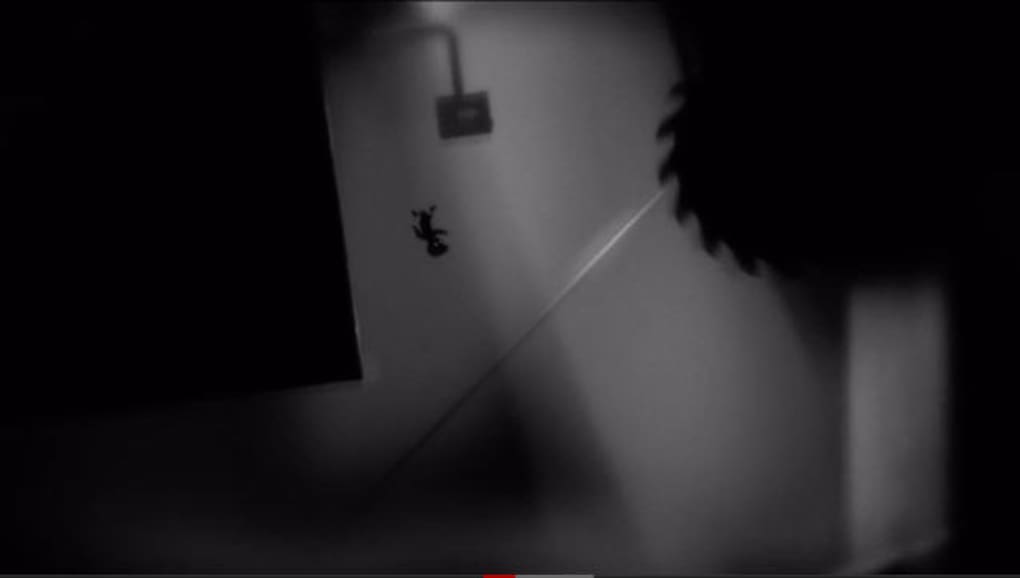
A World of Shadows and Silent Suffering
The visual style of LIMBO is arguably its most striking feature. Rendered entirely in black and white, the game’s world possesses a timeless, almost ethereal quality. The monochromatic palette enhances the feeling of unease, casting long, distorted shadows that amplify the sense of isolation and vulnerability. Every detail, from the swaying branches of the sparse trees to the intricate mechanisms that litter the boy’s path, is meticulously crafted, contributing to a deeply immersive and unsettling atmosphere. The world feels both familiar and alien, a distorted reflection of reality where the ordinary takes on a nightmarish quality.
The lack of dialogue further intensifies this feeling of isolation. The boy’s journey is silent, his motivations understood only through his actions and the environment around him. This narrative restraint forces the player to become deeply engaged with the visual and auditory cues, actively piecing together the story through observation and deduction. The absence of exposition encourages introspection, leaving the player to ponder the boy’s emotional state and the unsettling mysteries of the world he inhabits. The silence itself becomes a character, a palpable presence that hangs heavy in the air, amplifying the tension and suspense.

The game masterfully uses sound to create a disturbing and immersive experience. The unsettling soundtrack, characterized by low, resonant tones and unsettling noises, heightens the atmosphere of suspense and foreboding. Every creak, snap, and rustle adds to the sense of unease, and the subtle sounds of the environment become crucial cues for navigating the treacherous landscape. The sound design is as integral to the game’s emotional impact as its visuals, ensuring a fully immersive and emotionally resonant experience.
Physics-Based Puzzles and Perilous Encounters
LIMBO’s gameplay revolves around solving physics-based puzzles. These are not simple exercises in dexterity; instead, they require careful observation, strategic thinking, and a willingness to experiment. The player must manipulate objects in the environment, often using unexpected methods to overcome obstacles and navigate treacherous terrain. The puzzles are seamlessly integrated into the game’s world, presenting challenges that feel both logical and unexpected, rewarding ingenuity and persistence.
The boy’s journey is not without its dangers. He encounters various creatures, some seemingly grotesque manifestations of the game’s dark atmosphere, others seemingly mechanical in origin, their motivations as mysterious as the world they inhabit. These encounters often involve tense sequences that demand quick reflexes and strategic thinking. Death is a frequent occurrence, but it’s never frustrating, serving instead as a learning opportunity, encouraging experimentation and a deeper understanding of the game’s mechanics and the environment’s hidden dangers. The player learns not to fear failure, but to embrace it as an integral part of the learning process.
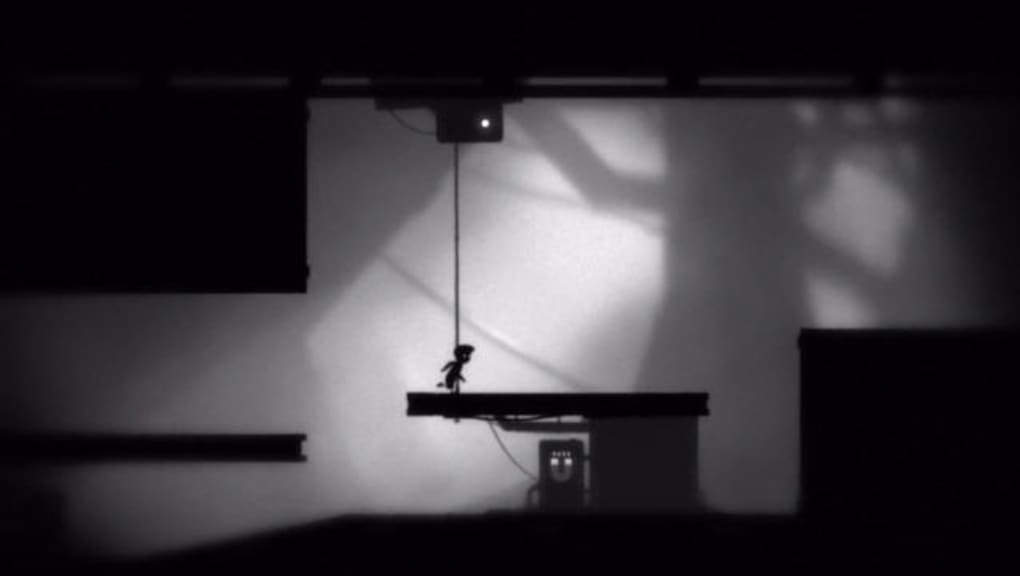
The puzzles become progressively more complex as the game unfolds, pushing the player to constantly develop new strategies and approaches. This continuous challenge maintains the game’s engagement, ensuring that the player remains engrossed in the experience from start to finish. The level of difficulty is carefully balanced, challenging without being overly frustrating, rewarding cleverness and persistence rather than brute force. This makes the experience deeply satisfying, rewarding players for their problem-solving skills and keen observation.
A Short but Profound Experience
Despite its relatively short playtime (estimated between three and six hours), LIMBO leaves a lasting impact. This is not a game measured by its length, but by the depth of its emotional resonance and the artistic brilliance of its presentation. It’s a testament to the power of minimalist storytelling, demonstrating how impactful a game can be even without an elaborate narrative or explicit exposition. The game invites players to actively participate in the narrative, drawing their own conclusions and creating their own emotional connection with the protagonist and the world he inhabits.
Beyond the Game: Themes and Interpretations
LIMBO’s enduring appeal stems partly from its ambiguity. The game’s narrative is open to interpretation, allowing players to project their own meanings and experiences onto the story. The boy’s silent journey can be viewed as a metaphor for loss, grief, and the search for meaning in a seemingly chaotic world. The dark, unsettling atmosphere enhances these themes, creating a powerful emotional resonance that lingers long after the credits roll.
The game’s ambiguous nature also allows for multiple interpretations of the creatures and environments encountered. Are they manifestations of the boy’s inner turmoil or actual threats within a surreal landscape? Are they simply puzzles to be overcome, or do they represent something deeper, something symbolic of the challenges and obstacles the boy faces in his journey? The answers remain elusive, encouraging players to contemplate and reflect, transforming the game into a personal and introspective experience.
LIMBO’s success lies in its ability to transcend the boundaries of traditional video game narratives. It’s a game that prioritizes atmosphere, emotion, and artistic expression over linear storytelling, creating a powerfully affecting experience that transcends the medium itself. The haunting visuals, unsettling sound design, and cleverly designed puzzles combine to create a unique and unforgettable adventure, leaving a lasting impact long after the controller is put down. It is a masterpiece of artistic expression, a game that invites reflection and leaves the player with more questions than answers, making it a truly unique and memorable gaming experience.
The monochromatic aesthetic, far from being a limitation, serves as a powerful tool for creating a sense of dread and unease. The lack of vibrant colors forces the player to focus on the subtle nuances of light and shadow, heightening the game’s overall atmosphere of mystery and suspense. The stark contrast between light and dark underscores the themes of hope and despair, emphasizing the boy’s vulnerability and resilience in the face of adversity.
In conclusion, LIMBO is more than just a puzzle game; it’s a work of art that engages the player on multiple levels. Its minimalist approach, its haunting visuals, and its clever mechanics create an experience that is both challenging and profoundly moving. It’s a game that demands active participation, encouraging players to interpret its meaning and to draw their own conclusions from the journey. In its brevity and its ambiguity, LIMBO achieves a depth and emotional resonance that far surpasses its relatively short playtime. It stands as a testament to the power of artistic vision and the potential of video games to evoke powerful emotions and provoke deep reflection.
File Information
- License: “Full”
- Version: “1.7”
- Latest update: “February 3, 2025”
- Platform: “Windows”
- OS: “Windows 8”
- Language: “English”
- Downloads: “264.4K”


