
Little Misfortune, an independent title developed and published by Killmonday Games (the creators of the similarly dark Fran Bow), defies easy categorization. It’s a game that masterfully blends the innocent curiosity of childhood exploration with the unsettling undercurrents of a dark mystery, creating a unique and unforgettable experience. This unusual juxtaposition, far from creating dissonance, actually enhances the game’s overall aesthetic, imbuing it with a dreamlike quality that both captivates and unsettles the player.
A Story of Happiness and Impending Doom
The game centers around Misfortune, a young girl embarking on a darkly whimsical adventure. From the outset, the player is introduced to Mr. Voice, a disembodied narrator residing within Misfortune’s mind. Mr. Voice immediately establishes a foreboding tone, declaring that Misfortune is destined to die on this very day. He then proposes a twisted game: if Misfortune successfully completes his challenges, she will earn “Eternal Happiness” for her mother.
This sets the stage for a journey fraught with both childish wonder and unsettling foreshadowing. Misfortune, guided by Mr. Voice’s cryptic instructions and occasionally aided by a helpful fox, navigates her neighborhood and encounters a series of peculiar characters and events. The narrative unfolds through a series of seemingly innocent interactions and playful minigames, yet an underlying sense of unease persistently permeates the experience. The player is constantly aware of the looming threat of Misfortune’s impending demise, adding a layer of tension that intensifies as the game progresses. The contrast between the lighthearted presentation and the serious, often macabre, themes creates a compelling narrative tension. The player is simultaneously charmed and disturbed, kept engaged by the unexpected twists and turns of the story.
Gameplay: A Blend of Exploration and Choice
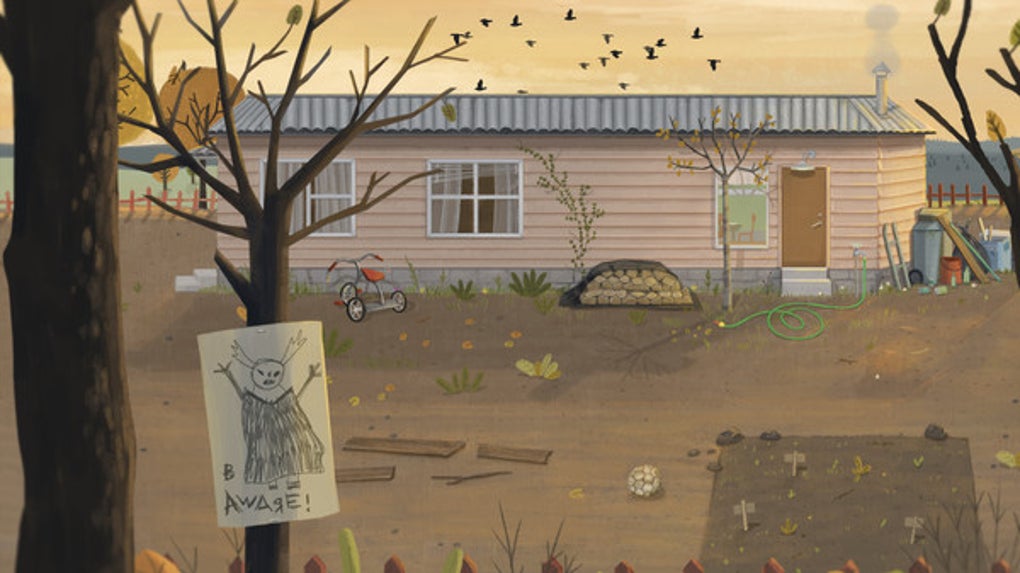
While Little Misfortune has drawn some criticism for its brevity and relatively simple gameplay mechanics, these elements are arguably integral to the game’s overall design. The core gameplay loop involves navigating the game’s environment, primarily moving forward or backward through various locations. Interaction with the environment is key, as players are encouraged to explore and engage with objects and characters. This exploration often leads to the discovery of minigames, small puzzles, and hidden details that enrich the overall experience.
The player’s choices, though seemingly minor at times, significantly impact the game’s narrative trajectory and ultimately influence the multiple endings. These choices often involve selecting dialogue options or interacting with specific objects in the environment. The consequences of these choices may not always be immediately apparent, adding an element of intrigue and replayability. While the gameplay itself might be considered simple, the impact of player choices and the exploration of the richly detailed environments make up for any lack of mechanical complexity.
Dark Themes and Sensitive Content: A Warning for Players
Little Misfortune unflinchingly delves into mature themes and sensitive topics, often presenting them through a child’s perspective. Death, loss, and existential dread are explored in a manner that, while unsettling, never feels gratuitous or exploitative. The game uses its whimsical aesthetic to mitigate some of the harshness of these themes, but it’s crucial for potential players to be aware of the game’s content before engaging with it. The game is not suitable for all ages, and parental guidance is strongly recommended. The presentation might initially appear childlike, but the narrative’s underlying darkness should not be underestimated. Players should be prepared for moments of emotional intensity and potentially disturbing imagery.
Short but Sweet: A Concise but Impactful Experience
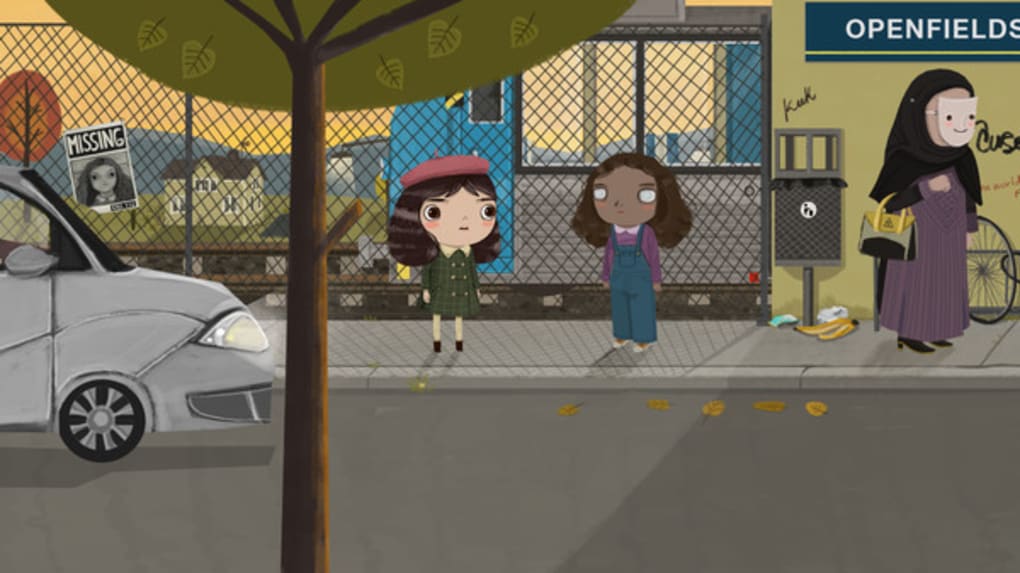
One of the most frequently cited criticisms of Little Misfortune is its relatively short playtime. A typical playthrough can be completed in under three hours, with the pursuit of achievements adding only a few more hours of gameplay. This brevity, however, can also be seen as a strength. The game maintains a focused narrative, avoiding unnecessary padding or filler content. The experience is concise and impactful, leaving a lasting impression despite its short length. For players seeking a shorter, more intensely focused gaming experience, Little Misfortune’s brevity is not a drawback but rather a feature that allows for a contained and impactful story. If you’re looking for a quick, engaging game with a unique art style, captivating storyline, and wonderful music, Little Misfortune delivers exactly that. It sacrifices length for impactful storytelling and artistic cohesion.
Strengths and Weaknesses: A Balanced Perspective
Little Misfortune boasts a number of significant strengths. Its unique and beautiful art style is undeniably captivating, creating a visually appealing world that complements the game’s dark themes. The storyline is engaging and well-written, keeping players hooked throughout the relatively brief playtime. The interactive gameplay, although simple, allows for meaningful player agency and choice, shaping the narrative and leading to multiple endings. The game also features smooth, well-executed graphics that contribute to its overall aesthetic appeal.

However, the game also suffers from some notable shortcomings. The lack of customization options might disappoint players expecting a higher degree of personalization. The absence of a reward system beyond the achievement unlocks could also feel lacking to some. These are minor criticisms, however, compared to the game’s overall strengths. The impact of the story and the quality of its artistic presentation far outweigh these relatively minor deficiencies.
Comparisons and Alternatives
Little Misfortune shares thematic similarities with other dark fantasy adventure games, most notably Fran Bow, also created by Killmonday Games. Both games feature a unique art style, compelling narratives, and exploration of unsettling themes. However, Little Misfortune distinguishes itself through its focus on a child’s perspective and the use of a whimsical aesthetic to contrast with the darker elements of its story. Other similar titles, such as Sally Face and Alice: Madness Returns, also explore themes of darkness and mystery, but each offers a distinct narrative and artistic style. While these games offer alternative experiences within the same genre, Little Misfortune’s unique blend of dark fantasy and childlike wonder sets it apart. Choosing between these games ultimately depends on individual preferences for specific narrative styles and artistic presentations.
Conclusion: A Game Worth Exploring
Little Misfortune, despite its brevity and potentially unsettling themes, is a worthwhile experience for players who appreciate unique and thought-provoking games. Its blend of whimsical visuals and dark narrative creates a compelling atmosphere that lingers long after the credits roll. While not suitable for all audiences, its impact on players willing to engage with its mature themes is undeniable. The game’s artistic merit, captivating story, and cleverly implemented choices create a memorable and impactful experience that warrants its place among other notable indie titles. Its short playtime doesn’t diminish its quality; instead, it allows for a concentrated and emotionally resonant experience. If you’re looking for a game that will stay with you long after you’ve finished playing, Little Misfortune is definitely worth considering.
File Information
- License: “Demo”
- Version: “1.0”
- Latest update: “December 4, 2019”
- Platform: “Windows”
- OS: “Windows 10”
- Language: “English”
- Downloads: “20.2K”


