
Lucius, a chilling horror adventure game, plunges players into the disturbing world of a demonic six-year-old boy. Released in 2012 by Shiver Games, this atmospheric title distinguishes itself with its unique gameplay mechanics and unsettling narrative. The game’s gothic setting, coupled with the protagonist’s inherent evil, creates a uniquely disturbing and captivating experience that appeals to fans of horror and adventure alike. This exploration will delve into the game’s mechanics, story, reception, and its place within the broader landscape of horror gaming.
The Gameplay: A Diabolically Clever Design
Lucius places players in the unsettling role of Lucius, a young boy born on June 6th, 1966, whose demonic heritage manifests in a range of supernatural abilities. The gameplay unfolds across several chapters, each focusing on a new victim Lucius must manipulate and ultimately eliminate using his powers. These powers, ranging from telekinesis to the ability to influence others’ minds, form the core of the gameplay. Players must creatively use these abilities to orchestrate elaborate schemes, setting traps, manipulating the environment, and causing accidents to eliminate their targets. The game does not shy away from dark themes; the player is actively encouraged to explore the depths of Lucius’s demonic nature.
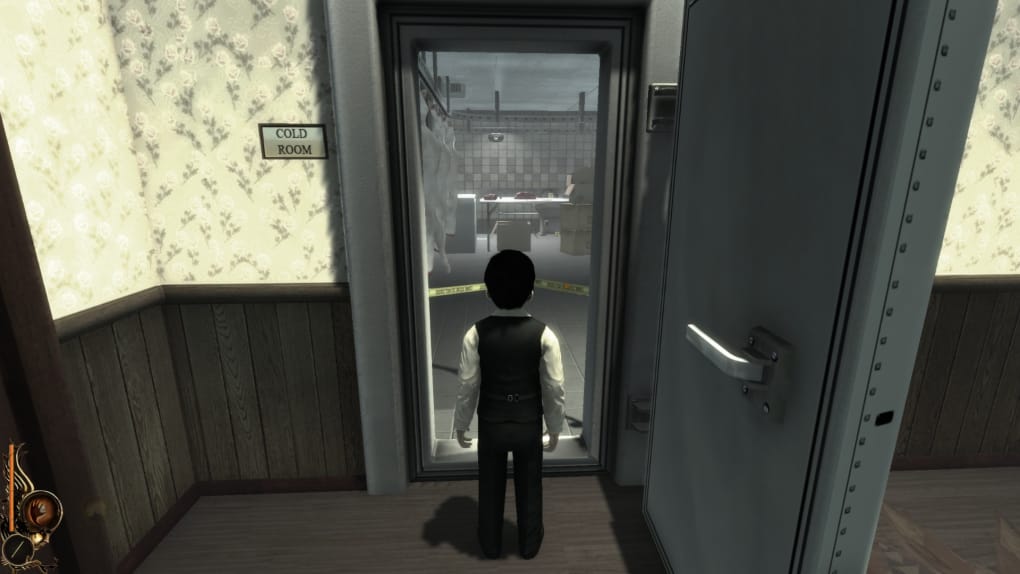
The game world itself is a sprawling, gothic mansion filled with secrets and unsuspecting victims. Exploration is crucial, as the environment offers numerous opportunities for creative problem-solving and the execution of increasingly elaborate plans. The game’s design rewards experimentation and encourages players to approach each situation from multiple angles. Finding creative solutions is a key aspect of the gameplay, and the ability to manipulate objects and individuals provides ample room for both ingenious strategy and darkly humorous scenarios. The levels are cleverly designed to provide multiple avenues for killing each target, allowing for player agency and multiple playthroughs.
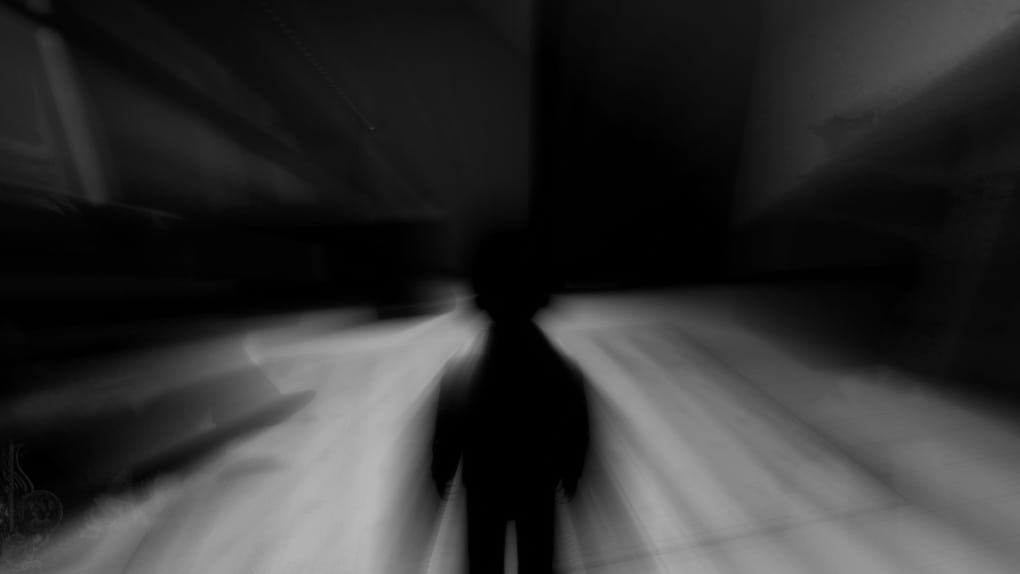
However, the game’s controls, particularly for some of Lucius’s more nuanced abilities, have been criticized as somewhat fiddly. This can sometimes interrupt the otherwise smooth flow of gameplay, especially for players who are new to the unique mechanics. This aspect represents a minor drawback in an otherwise well-crafted gameplay experience.
The Narrative: A Descent into Darkness
The narrative unfolds in a slow-burn fashion, carefully building tension and suspense. The player witnesses Lucius’s gradual descent into darkness, guided by his innate demonic nature. The game doesn’t offer a clear-cut moral compass; the player is fully immersed in the perspective of a malevolent child, experiencing the world through his twisted and often disturbing lens. The narrative focuses on Lucius’s journey of discovery as he learns to control and utilize his powers, and his interactions with the various inhabitants of the mansion contribute significantly to the overall unsettling atmosphere.
The game’s story is not just about the methodical elimination of targets; it is about the psychological exploration of a character grappling with his inherent evil. The writing, though understated, effectively creates a sense of unease and dread, consistently reinforcing the game’s gothic horror theme. The narrative cleverly incorporates elements of suspense and psychological horror, leaving players unnerved by Lucius’s actions and the consequences that follow. The lack of explicit gore in favor of suggestion and psychological impact contributes to the game’s overall effectiveness in creating a genuinely disturbing experience.
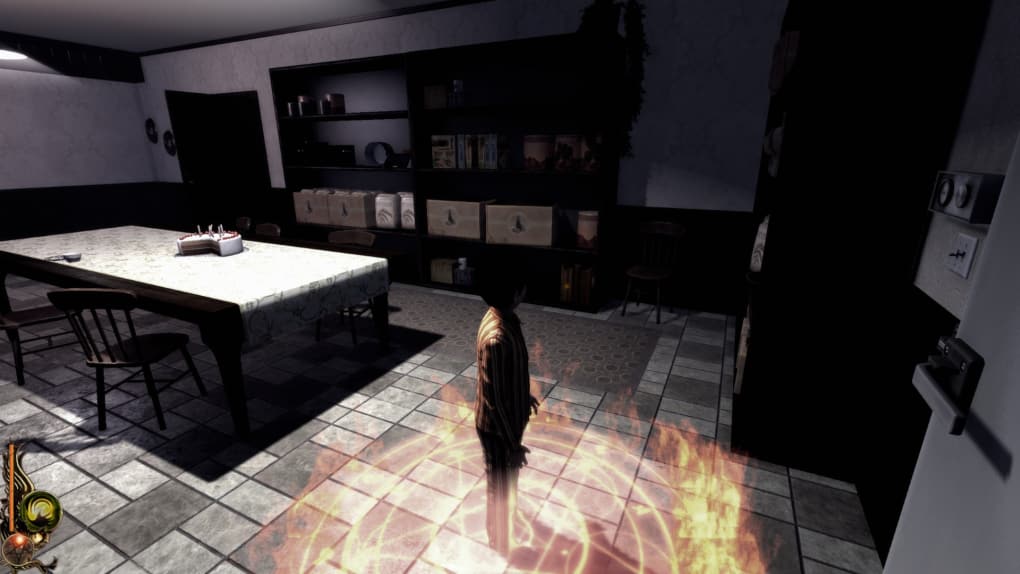
The gothic setting of the mansion plays a critical role in enhancing the narrative atmosphere. The decaying architecture, shadowy corners, and overall atmosphere of decay work in tandem to create a sense of unease and foreboding. This atmosphere is further enhanced by the game’s sound design and background music, which perfectly complements the visual elements to create a truly immersive and disturbing experience.
Reception and Critical Analysis: A Divisive But Captivating Title
Lucius received mixed reviews upon its release. While praised for its unique gameplay mechanics and unsettling atmosphere, the game’s dark subject matter proved divisive among players. The game’s unflinching depiction of violence and its focus on a child protagonist drew criticism from certain segments of the gaming community. However, for those who appreciated its dark and disturbing tone, Lucius provided a refreshing take on the horror genre.
The game’s innovative combination of gameplay mechanics, blending stealth, puzzle-solving, and the strategic use of supernatural powers, was widely appreciated. The freedom given to players to complete their objectives in a variety of ways added significantly to the replayability. However, the aforementioned issues with the controls, particularly for certain powers, hampered the overall experience for some players.
Despite the mixed reception, Lucius established itself as a cult classic within the horror gaming community. Its unique approach to storytelling, blending psychological horror with unconventional gameplay, set it apart from other titles in the genre. The game’s disturbing and often unsettling atmosphere created a truly memorable and, for many, an unforgettable gaming experience.
Lucius in the Broader Context of Horror Gaming
Lucius occupies a unique niche within the broader landscape of horror gaming. While many horror games rely on jump scares and graphic violence, Lucius prioritizes atmospheric dread and psychological horror. This approach, while potentially less mainstream, caters to a specific audience that appreciates a more subtle and nuanced approach to fear. The game’s success lies in its ability to create a sustained atmosphere of unease, drawing players into the protagonist’s disturbing perspective.
The game’s focus on player agency and strategic manipulation, rather than relying solely on action or combat, also distinguishes it from many other horror titles. The need for thoughtful planning and cunning execution of plans adds a layer of complexity and strategic depth that elevates the gameplay beyond simple survival horror tropes.
Compared to other horror games featuring child protagonists, Lucius distinguishes itself by avoiding the typical tropes of innocence corrupted. Instead, it presents a protagonist who is inherently evil, exploring the implications of this premise with a unflinching perspective. This willingness to venture into morally gray areas and explore the depths of human depravity, even through the lens of a child, is what makes Lucius a truly unique and unforgettable gaming experience. The game challenges players’ expectations and pushes the boundaries of what is considered acceptable within the horror genre, creating a lasting impact on those who dare to experience it. It stands as a testament to the power of atmospheric storytelling and unconventional gameplay mechanics in creating a truly disturbing and captivating gaming experience.
File Information
- License: “Full”
- Latest update: “June 14, 2023”
- Platform: “Windows”
- OS: “Windows 8”
- Language: “English”
- Downloads: “14.3K”


