
Medical software plays a crucial role in the modern healthcare landscape, streamlining operations, improving patient care, and enhancing overall efficiency. From simple record-keeping applications to complex electronic health record (EHR) systems, these programs offer a wide range of functionalities designed to meet the diverse needs of healthcare providers and institutions. This article provides a comprehensive overview of medical software, exploring its various applications, benefits, challenges, and future trends.
Types of Medical Software
The world of medical software is vast and diverse, encompassing numerous specialized applications. Categorizing this software can be approached from different perspectives, but some common distinctions include:
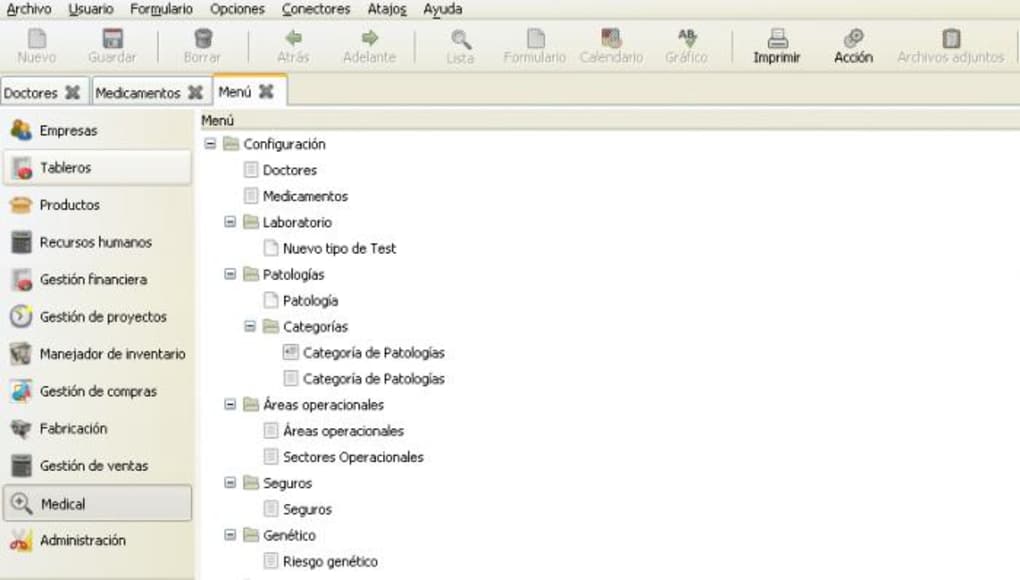
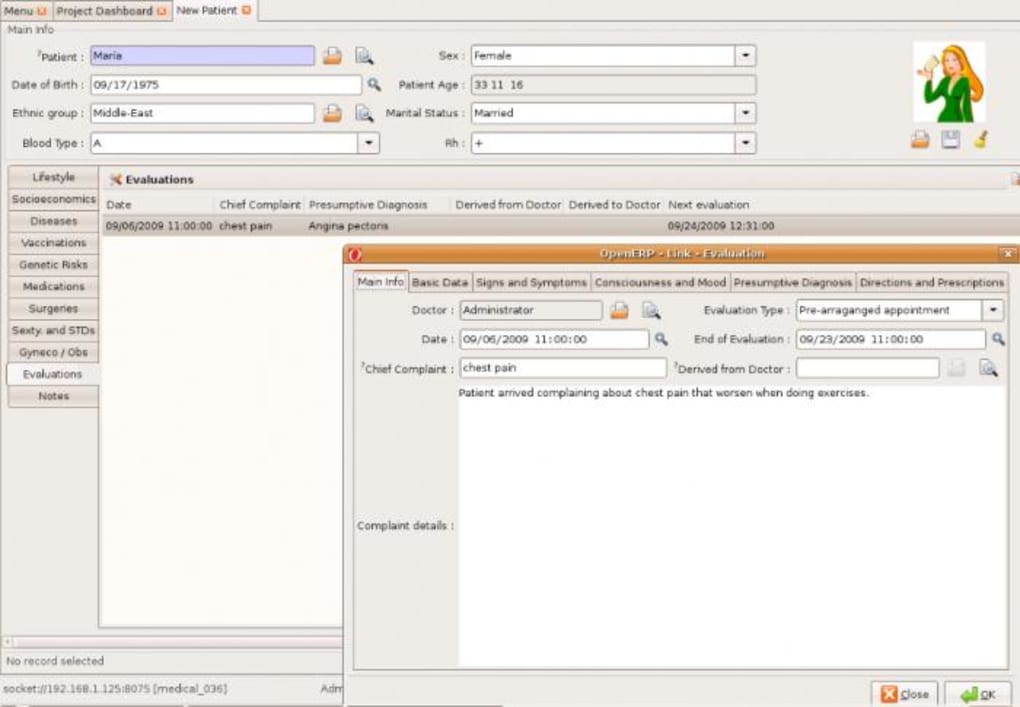
1. Electronic Health Records (EHR) and Practice Management Systems (PMS): These are arguably the most widely used categories of medical software. EHR systems serve as digital repositories for patient medical information, including diagnoses, treatment plans, medications, allergies, and lab results. They provide a centralized and easily accessible record for healthcare providers, significantly reducing the reliance on paper charts. PMS software complements EHRs by managing administrative tasks such as scheduling appointments, billing, patient registration, and generating reports. Many modern systems integrate both EHR and PMS functionalities into a single platform. Examples include Epic, Cerner, and Allscripts, which are used by large hospitals and healthcare systems. Smaller practices may utilize more streamlined solutions tailored to their specific needs.
2. Medical Imaging Software: This category includes programs designed for viewing, analyzing, and managing medical images generated from various sources such as X-rays, CT scans, MRIs, and ultrasounds. These programs often incorporate advanced image processing techniques for improved diagnostic accuracy and collaboration among specialists. They allow radiologists and other medical professionals to annotate images, make measurements, and share findings with colleagues, enhancing communication and streamlining the diagnostic process.
3. Telemedicine and Remote Patient Monitoring Software: The increasing adoption of telemedicine has driven the development of software platforms enabling virtual consultations, remote monitoring of patient health parameters, and remote data transmission. These systems facilitate communication between patients and healthcare providers, overcoming geographical barriers and enhancing accessibility to care, especially for patients in rural or underserved areas. They often include features such as video conferencing, secure messaging, and wearable device integration for continuous monitoring of vital signs.
4. Clinical Decision Support Systems (CDSS): CDSSs use sophisticated algorithms and databases to aid healthcare professionals in making informed clinical decisions. These systems can provide real-time alerts, reminders, and recommendations based on patient data, best practices, and evidence-based guidelines. They play a vital role in reducing medical errors, improving the quality of care, and increasing treatment adherence. Examples include medication interaction checkers, diagnostic assistance tools, and treatment guidelines integration.
5. Specialized Medical Software: Numerous other specialized applications cater to specific medical disciplines. These include programs for dental practice management, ophthalmology, cardiology, oncology, and many other areas. These specialized systems often incorporate features unique to their respective fields, such as specialized image analysis tools, treatment planning software, and data management functionalities tailored to specific clinical workflows.
Benefits of Medical Software
The implementation of medical software offers numerous benefits to healthcare providers, patients, and the healthcare system as a whole. Key advantages include:
-
Improved Patient Care: Centralized access to patient information enables faster and more informed clinical decision-making, leading to improved diagnostic accuracy, personalized treatment plans, and better overall patient outcomes.
-
Increased Efficiency: Automation of administrative tasks, such as appointment scheduling and billing, frees up staff time to focus on patient care, enhancing productivity and reducing operational costs.
-
Enhanced Communication and Collaboration: Medical software facilitates seamless communication and collaboration among healthcare providers, improving coordination of care and reducing the potential for medical errors. This is particularly crucial in complex cases involving multiple specialists.
-
Reduced Medical Errors: Through features like alerts, reminders, and decision support tools, medical software helps reduce human errors, contributing to safer and higher-quality care.
-
Improved Data Management and Analysis: Medical software provides robust data management capabilities, facilitating data analysis to identify trends, improve healthcare processes, and support evidence-based decision-making.
-
Enhanced Accessibility: Telemedicine platforms and remote patient monitoring systems improve accessibility to healthcare services, particularly for patients in remote areas or those with mobility limitations.
Challenges in Implementing Medical Software
Despite its numerous benefits, the implementation of medical software presents several challenges:
-
High Initial Costs: The acquisition and implementation of sophisticated medical software systems can be expensive, posing a significant financial burden for smaller healthcare facilities.
-
Integration Complexity: Integrating new software with existing systems can be complex and time-consuming, requiring significant technical expertise and potentially disrupting workflows.
-
Data Security and Privacy Concerns: Medical data is highly sensitive, and stringent security measures are required to protect patient information from unauthorized access and breaches. Compliance with regulations such as HIPAA (in the United States) is essential.
-
Training and User Adoption: Healthcare professionals may require extensive training to effectively use new software systems, and resistance to change can hinder adoption.
-
Interoperability Issues: Lack of interoperability between different medical software systems can hinder seamless data exchange and collaboration among healthcare providers. Standardization efforts are crucial to improve interoperability.
-
Maintaining System Up-to-date: Medical software requires ongoing maintenance, updates, and security patches to ensure optimal performance and security. This demands ongoing investment and technical support.
Future Trends in Medical Software
Several trends are shaping the future of medical software:
-
Artificial Intelligence (AI) and Machine Learning (ML): AI and ML are increasingly being integrated into medical software to enhance diagnostic accuracy, personalize treatment plans, and automate tasks. AI-powered image analysis tools, for example, can aid in the detection of diseases and abnormalities.
-
Cloud Computing: Cloud-based medical software platforms offer scalability, flexibility, and cost-effectiveness, eliminating the need for expensive on-site servers and infrastructure.
-
Big Data Analytics: The increasing availability of medical data presents opportunities to leverage big data analytics to improve healthcare outcomes, identify trends, and make informed decisions.
-
Blockchain Technology: Blockchain technology can enhance the security and transparency of medical data exchange, ensuring data integrity and patient privacy.
-
Wearable Sensors and Internet of Medical Things (IoMT): Integration of wearable sensors and IoMT devices allows for continuous monitoring of patient health parameters, enabling proactive interventions and improved patient management.
-
Virtual and Augmented Reality (VR/AR): VR and AR technologies can be used to enhance medical training, improve patient education, and provide immersive experiences for rehabilitation.
In conclusion, medical software has become an indispensable tool in modern healthcare, significantly improving patient care, increasing efficiency, and enhancing the overall quality of healthcare delivery. While challenges remain in terms of implementation and cost, the ongoing development and integration of innovative technologies, such as AI, cloud computing, and big data analytics, promise to further transform the healthcare landscape and deliver even greater benefits to patients and providers alike. The future of medical software is bright, driven by the continuous pursuit of improved healthcare outcomes through technological innovation.
File Information
- License: “Free”
- Version: “0.0.41”
- Latest update: “March 9, 2017”
- Platform: “Windows”
- OS: “Windows 8”
- Language: “English”
- Downloads: “2.6K”
- Size: “2.30 MB”


