Music Player, a free multimedia software application developed by Anamo, aimed to provide a compelling alternative to established music streaming giants like Spotify and Amazon Music. While the software is no longer available for download on the original platform, its features and functionality warrant examination to understand its impact and potential influence on the music player landscape. This review will delve into its capabilities, user experience, and overall effectiveness based on the information available.
A Robust Feature Set: Beyond the Basics
Music Player boasted a deceptively simple yet powerful interface. Underneath the sleek and minimal design lay a comprehensive suite of audio features designed to enhance the listening experience. The application offered access to a vast library containing millions of high-definition, DRM-free tracks. This meant users could enjoy a wide selection of music without the restrictions often associated with licensed content from other platforms. While the review mentions a built-in Music Store for purchasing licensed music, the extent and specifics of its catalog remain unclear in the available information.
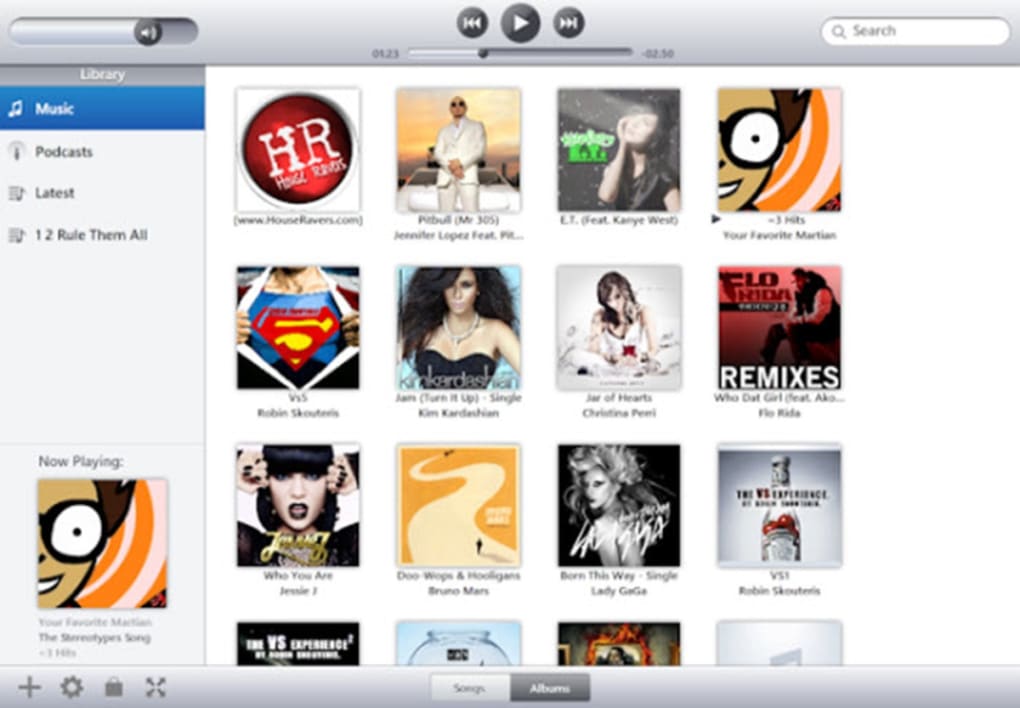
The application prioritized user control and organization. Its search function was optimized for efficiency, enabling users to quickly locate specific songs, artists, or genres. Furthermore, it provided considerable flexibility in managing music collections. Users could sort their music by artist, genre, or utilize a more traditional folder system – catering to diverse organizational preferences. This adaptability was a key strength, making the app accessible to both casual listeners and meticulous music collectors.
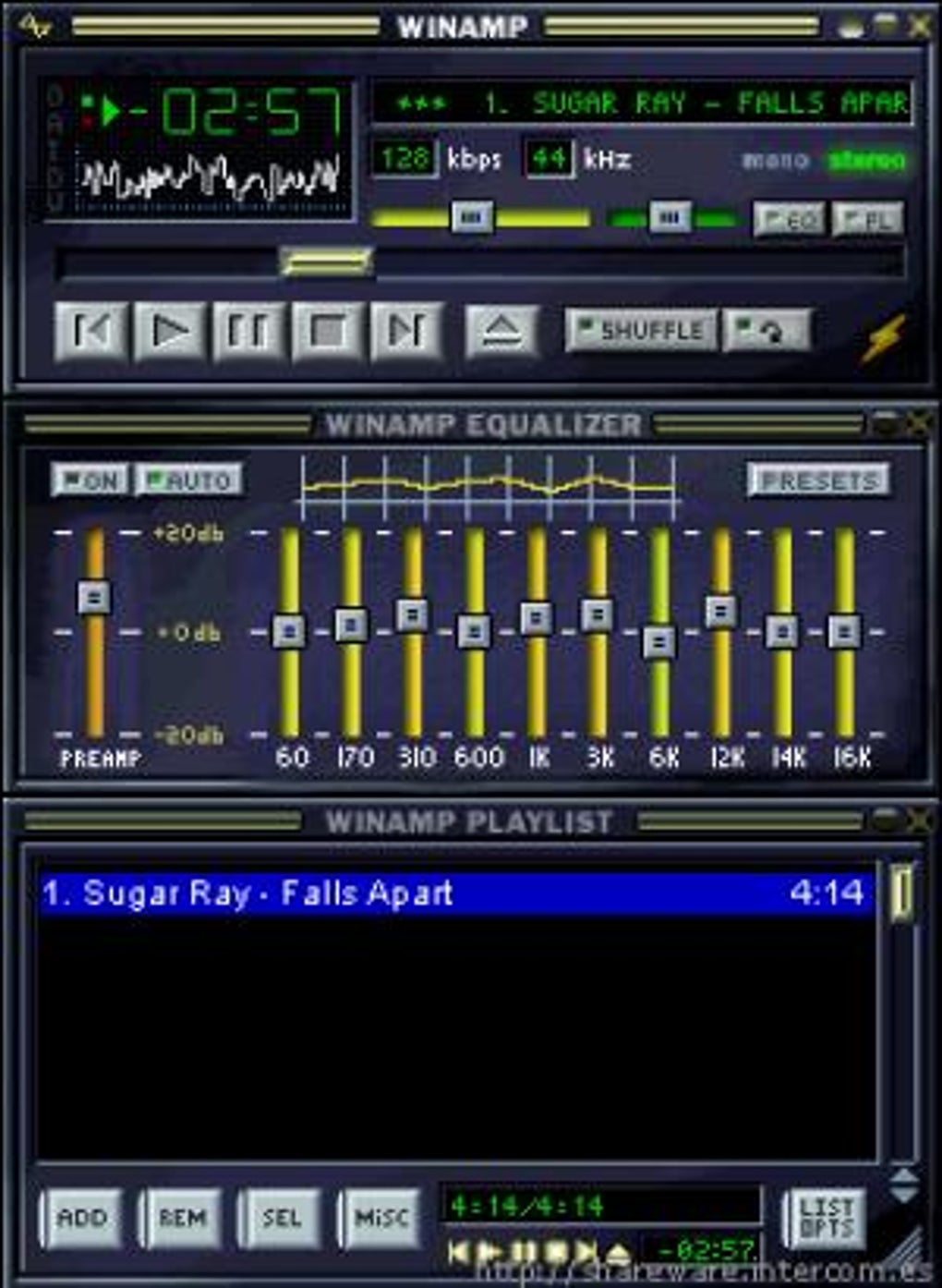
Sound quality was a significant focus. Music Player incorporated an integrated equalizer, a crucial feature for audiophiles and those seeking personalized audio experiences. This equalizer enabled users to fine-tune the audio output, adjusting various frequencies to achieve their desired sound profile, whether using headphones or speakers. The ability to customize the audio output to match personal preferences or acoustic environments added another layer of user control, enhancing the overall listening experience.
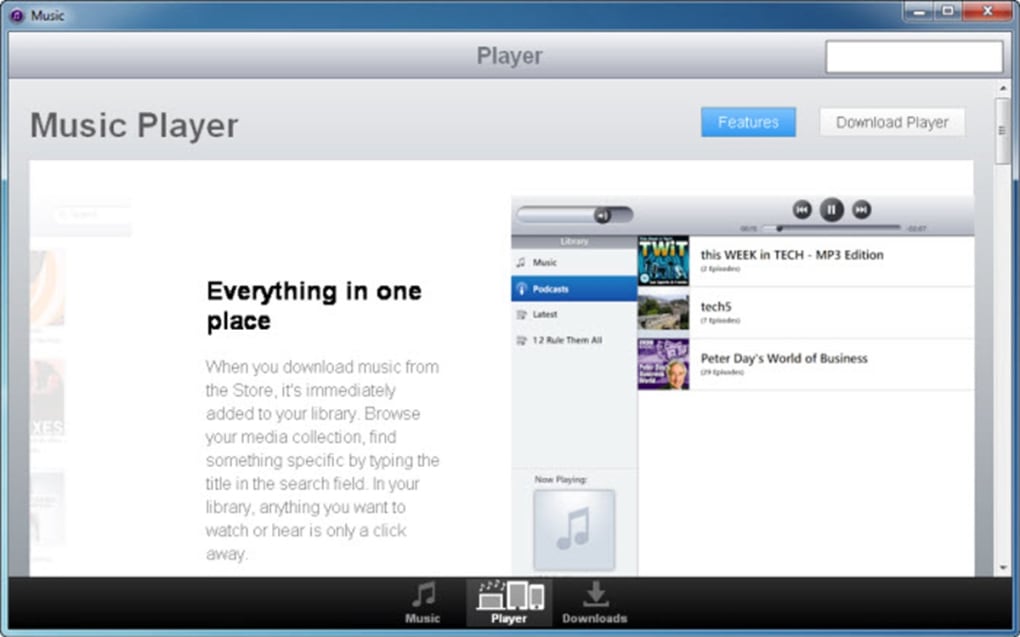
Visual personalization was also a key element of the app’s design. Users could customize the background of the interface, selecting from a range of themes to match their aesthetic tastes. This included the option to choose from both modern and minimalist designs to more stylistic and festive patterns. This customization extended beyond mere aesthetics; the addition of music widgets to the home screen provided quick access to favorite playlists and folders, further enhancing usability and convenience.
Seamless Synchronization Across Devices
Music Player’s synchronization feature was a pivotal aspect of its functionality. By leveraging cloud-based technology, the app aimed to create a unified and consistent musical experience across various devices. This seamless integration ensured that playlists, listening progress, and user preferences were synchronized across multiple platforms (though the original source mentions only Windows support explicitly). Users could log into their account from any supported device to effortlessly access and manage their music library, irrespective of their location or the device they were using.
This synchronization capability extended beyond convenience, enabling offline listening. Users could download their favorite tracks and playlists for access even without an internet connection. The implementation of intelligent playback further enhanced this functionality, remembering the user’s last listening point and automatically resuming playback from that precise location. This attention to detail maintained the uninterrupted flow of music, preventing interruptions and enhancing user satisfaction.
A Versatile and Personalized Audio Experience
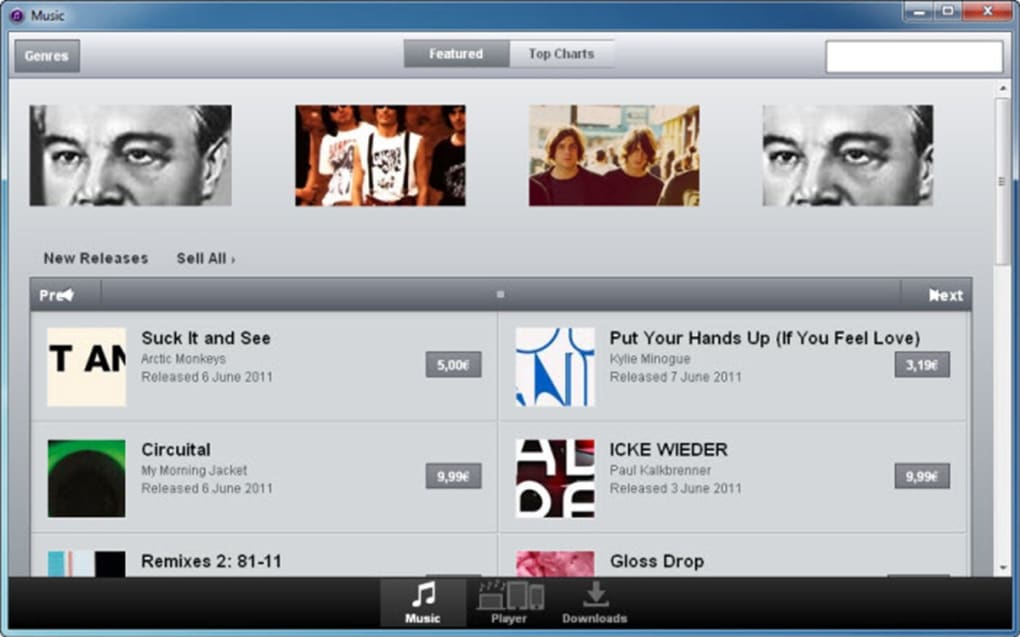
Music Player presented itself as more than just a music player; it aimed to be a personalized audio companion. Its extensive personalization options and practical functionalities were central to its design philosophy. The provision of high-definition, DRM-free music aimed to cater to a broad spectrum of musical tastes and preferences. The app’s commitment to providing a diverse range of music, combined with powerful organization tools, precise sound tuning, and cross-device synchronization, created a cohesive and satisfying audio experience.
The app’s overall design emphasized user control and customization, allowing users to tailor their listening experience to meet their individual needs and preferences. The combination of high-quality audio, sophisticated organization features, and convenient synchronization capabilities aimed to provide a comprehensive and enjoyable musical journey for its users.
Strengths and Weaknesses of Music Player
Based on the available information, Music Player showcased several strengths:
-
Extensive DRM-Free Library: Access to a wide selection of high-definition, DRM-free music provided a significant advantage over platforms with more restrictive licensing models. This broadened the range of available content and offered users more freedom in their music consumption.
-
Powerful Equalizer: The integrated equalizer allowed users precise control over the sound quality, enabling them to tailor the audio output to suit their personal preferences and listening environment. This personalization feature significantly improved the listening experience.
-
Seamless Synchronization: The ability to synchronize music libraries across devices, coupled with offline listening capabilities, promoted convenience and accessibility. Users could maintain a consistent music experience regardless of their location or device.
-
Customizable Interface: The option to personalize the application’s appearance enhanced user engagement and satisfaction. The ability to choose from various themes and add widgets further personalized the user experience.
Despite these advantages, Music Player had limitations:
- Availability: The most significant drawback is the application’s unavailability for download. The reasons for this are unspecified, ranging from discontinuation to security issues. This renders the app inaccessible to new users.
-
Free Music Limitations: While it offered a vast library, not all music was accessible for free. The extent of the paid content and the pricing model remain unclear from the provided information.
-
Platform Limitation (Initially): Although the source hints at potential support for multiple platforms, the original marketing focused heavily on Windows, potentially limiting its appeal to a broader audience.
Conclusion: A Promising Concept, Limited Reach
Music Player presented a compelling vision for a music player application: a user-friendly interface combined with a broad, DRM-free music library, sophisticated audio control, and seamless synchronization across devices. These features individually and collectively aimed to create an enriching and personalized listening experience. However, the application’s unavailability for download significantly diminishes its impact. While the concept demonstrated considerable promise, its lack of continued availability renders it a case study of a potentially successful application whose potential was ultimately unrealized due to circumstances not fully explained in the provided information. The analysis provided is limited by the incomplete information available on the application’s functionality and eventual demise.
File Information
- License: “Free”
- Latest update: “December 4, 2023”
- Platform: “Windows”
- OS: “Windows 7”
- Language: “English”
- Downloads: “221.8K”
- Size: “2.58 MB”