Songbird, an open-source music player and organizer, once held a prominent place in the digital music landscape. While it may no longer be actively developed, its legacy as a highly customizable and community-driven application remains. This article delves into Songbird’s features, its strengths and weaknesses, and its impact on the evolution of music management software.
A Familiar Interface, Powerful Functionality
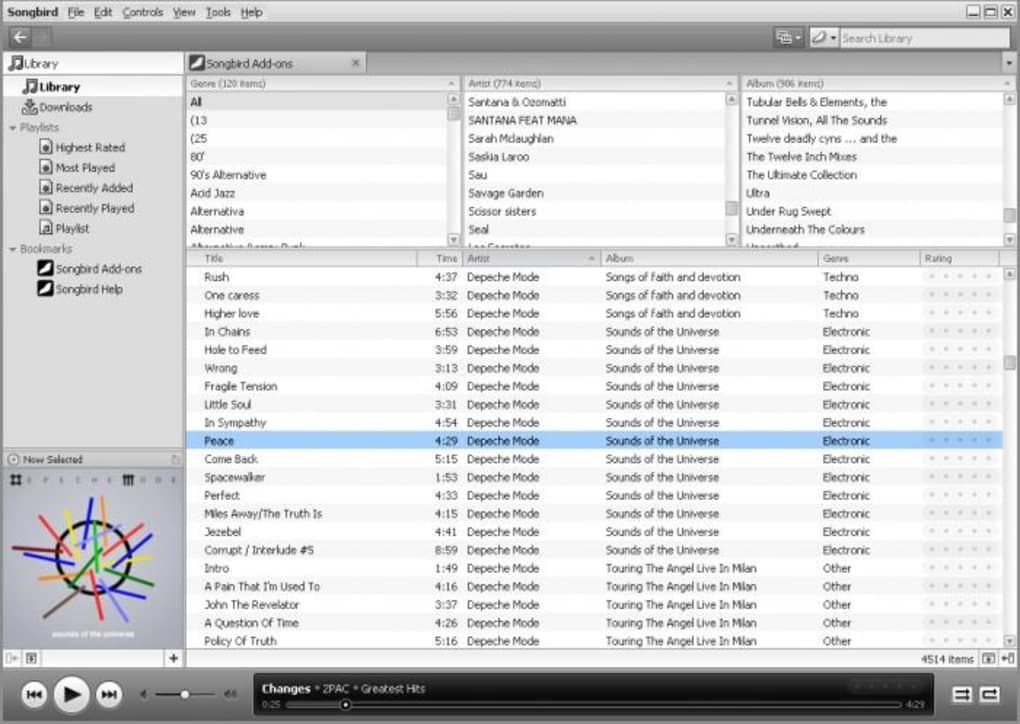
Upon first launch, Songbird’s interface immediately struck a chord with users familiar with iTunes. This design choice, while perhaps unoriginal, served as a significant advantage. The intuitive layout ensured a smooth transition for those migrating from Apple’s popular music player. However, Songbird was far more than a simple iTunes clone. It offered a robust set of features that aimed to enhance the overall music experience beyond basic playback.
Beyond its visually familiar layout, Songbird excelled at core music management tasks. Automatic importing of music files from designated folders, coupled with continuous monitoring for new additions, ensured that the user’s library remained consistently updated. This automatic library maintenance was a significant time-saver compared to manually adding new tracks. The software also boasted a user-friendly catalog, making browsing and searching through extensive music collections remarkably efficient.
Integration with popular services like iTunes and Last.fm was another key feature. Songbird seamlessly imported playlists and library data from iTunes, making the switch from other music players straightforward. Last.fm integration allowed for effortless scrobbling, a feature that tracked listening habits and shared them on the social music platform. This social element enhanced the overall user experience and fostered a sense of community.
Furthermore, Songbird incorporated album art retrieval, a simple equalizer for audio adjustments, and support for global hotkeys. The inclusion of album art dramatically improved the visual appeal and provided a much more engaging way to interact with one’s music library. Global hotkeys allowed for control of the player from other applications, improving workflow and enhancing the user’s overall productivity. These small, thoughtful additions showcased Songbird’s commitment to delivering a refined and user-centric music management experience.
Extensibility through Plugins and a Thriving Community
One of Songbird’s defining characteristics was its extensive plugin support. This open architecture allowed developers to extend the player’s functionality far beyond its core capabilities. The availability of third-party plugins offered a degree of customization unavailable in many proprietary music players. The potential for community-driven innovation was immense, transforming Songbird into a highly adaptable platform tailored to individual user needs and preferences.
This open-source nature also fostered a thriving community of developers and users. The collaborative spirit encouraged continuous improvement and the addition of new features based on user feedback. This community-driven development model, in theory, offered a direct line of communication between users and developers, ensuring that Songbird evolved in a direction that met user demands. This dynamic relationship distinguished Songbird from more traditional, closed-source music players.
Shortcomings and Unfulfilled Potential
Despite its impressive array of features and a dedicated community, Songbird faced certain limitations. One notable absence was support for podcasts. This omission was a significant drawback, especially considering the growing popularity of podcasting at the time. The lack of this fundamental feature likely hindered its adoption among a segment of potential users who relied heavily on podcast players.
Additionally, reports of instability plagued some versions of Songbird. While the community actively worked to resolve these issues, the intermittent crashes and bugs detracted from the otherwise positive user experience. These instances of instability raised concerns regarding the software’s reliability, especially compared to more established and polished competitors.
Moreover, while the plugin system was a significant strength, the available plugins sometimes lacked the polish and sophistication of those found in more mature platforms. This disparity meant that while customization was theoretically extensive, the actual range of high-quality add-ons may have been limited.
The plugin system itself, while powerful, sometimes presented a barrier to entry for casual users. The need to understand and manage plugins could have felt daunting to users accustomed to simpler, more streamlined music players. This steeper learning curve could have potentially deterred some from fully embracing Songbird’s customization options.
Comparison with Contemporaries
Songbird’s launch coincided with a period of intense competition in the music player market. Established players like iTunes, Winamp, and VLC enjoyed significant market share and loyal user bases. Songbird aimed to carve a niche for itself by offering a powerful open-source alternative, emphasizing community development and extensibility.
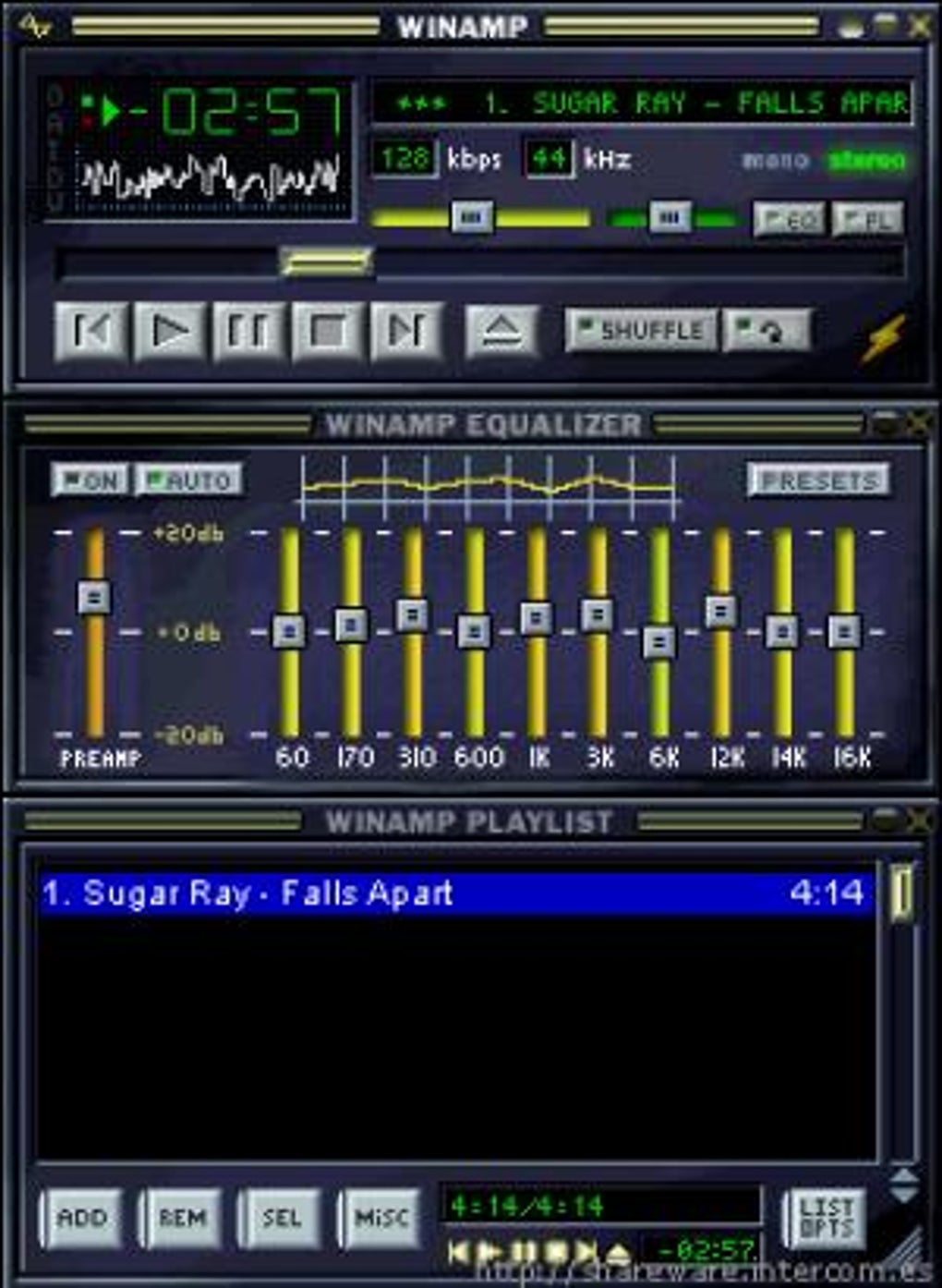
Compared to iTunes, Songbird offered a more customizable experience but lacked the seamless integration with the broader Apple ecosystem. Winamp, known for its skinnable interface and extensive plugin support, shared some similarities with Songbird but held an advantage in terms of stability and wider adoption. VLC, a versatile media player capable of handling a vast array of file formats, presented a different approach, prioritizing compatibility over specific music management features.
Songbird’s Legacy: A Case Study in Open-Source Development
Despite its eventual discontinuation, Songbird’s impact on the music player landscape remains notable. It demonstrated the potential of open-source development in the creation of powerful and customizable software. The strong community engagement and emphasis on user feedback exemplified the best aspects of open-source collaboration.
While Songbird may not have achieved the widespread adoption of its proprietary counterparts, its story serves as a valuable case study in the challenges and rewards of building a community-driven project. The software showcased the potential for innovation and customization within the open-source paradigm, highlighting the importance of community involvement in the evolution of software. The lessons learned from Songbird’s journey continue to inform the development of open-source software across various domains.
Its failure, however, also underscores the importance of stability, user-friendliness, and addressing core market demands. While a passionate community and extensive customizability are valuable assets, they alone are insufficient to secure lasting success in a competitive market. The lack of podcast support and occasional instability ultimately proved to be significant obstacles to broader adoption. Despite its eventual decline, Songbird’s existence offered a compelling alternative and remains a testament to the power of community-driven software development.
File Information
- License: “Free”
- Latest update: “May 24, 2023”
- Platform: “Windows”
- OS: “Windows XP”
- Language: “English”
- Downloads: “133.4K”
- Size: “15.78 MB”