
OMORI is a captivating surreal psychological horror RPG that masterfully blends traditional gameplay mechanics with innovative storytelling, creating a deeply unsettling and emotionally resonant experience. Developed by OMOCAT, the game draws heavily on the developer’s previous works, transporting players into a hauntingly beautiful world that challenges perceptions and evokes a powerful emotional response. This in-depth exploration delves into the game’s mechanics, narrative, artistic style, and overall impact, showcasing why OMORI has resonated so deeply with players worldwide.
A World of Duality: Narrative and Themes
The narrative of OMORI centers around the titular character, a young boy grappling with depression and the weight of unspoken traumas. He navigates a vibrant yet unsettling world alongside a cast of close friends, each with their own unique personalities and backstories. This seemingly idyllic world, however, masks a darker reality, serving as a reflection of OMORI’s internal struggles. The game doesn’t shy away from exploring complex and sensitive themes, including:
-
Depression and Mental Illness: OMORI’s struggle is central to the game’s narrative. His depression manifests in the game’s world and mechanics, adding a layer of emotional weight to the adventure. The game doesn’t offer easy answers but instead presents a nuanced and empathetic portrayal of the complexities of mental health. The journey through the game mirrors the journey of coping with and overcoming mental health challenges.
-
Friendship and Relationships: The bonds between OMORI and his friends are a significant driving force. Their interactions, both positive and negative, reveal the intricacies of friendship, loyalty, and the impact of shared experiences, both good and bad. The game subtly explores how these relationships are affected by the characters’ individual struggles. The strength and fragility of these bonds are tested throughout the narrative, adding another layer of emotional complexity.
-
Guilt and Trauma: The game masterfully explores the pervasive nature of guilt and the lasting impact of unresolved trauma. The haunting memories that OMORI confronts are not merely plot devices; they are integral to understanding his character and the narrative’s overall message. The consequences of past actions and the struggle to come to terms with the past are explored in a nuanced and often heartbreaking way.
- Memory and Identity: The game blurs the lines between reality and memory, forcing players to question the nature of truth and perception. The world OMORI inhabits is a distorted reflection of his subconscious, with locations and events shifting and changing based on his emotional state and the memories he confronts. This element adds a layer of mystery and intrigue, encouraging players to actively piece together the fragmented narrative.
The narrative unfolds gradually, revealing layers of complexity as the player progresses. While initially appearing straightforward, the game’s story unfolds with unexpected twists and turns, continually challenging assumptions and keeping players engaged. The writing is both poignant and unsettling, effectively conveying the emotional turmoil of the main character and his companions.
Gameplay and Mechanics: A Blend of Familiar and Innovative
OMORI seamlessly blends traditional RPG elements with unique mechanics, resulting in a gameplay experience that is both familiar and refreshingly innovative. The core gameplay loop involves exploring interconnected areas, interacting with characters, solving puzzles, and engaging in turn-based battles.
-
Exploration: The game world is a carefully crafted tapestry of distinct locations, each with its own unique atmosphere and challenges. Exploring these areas is a crucial part of the game, not only for uncovering plot points but also for uncovering hidden secrets and items. The game’s world is intentionally designed to feel both inviting and unsettling, reflecting the protagonist’s emotional state.
-
Character Interactions: The characters in OMORI are well-developed and relatable, and their interactions are a significant aspect of the gameplay experience. Dialogues are often witty, insightful, and deeply emotional, revealing more about the characters’ personalities and their relationships with each other. These interactions also play a key role in advancing the plot and uncovering secrets.
-
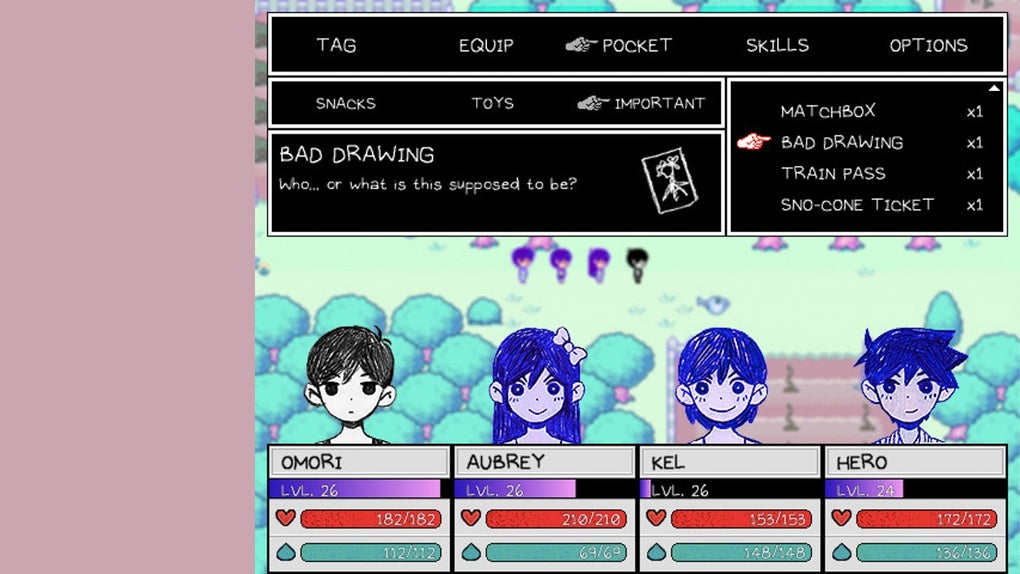
Turn-Based Combat: The battle system is a strategic mix of turn-based combat and emotional states. Each character has unique abilities and weapons, and the effectiveness of these abilities is affected by emotional states. Characters can become energized, fearful, or distressed, which will impact their stats. Players need to carefully manage their party’s emotional states to succeed. This innovative element adds a layer of complexity to traditional turn-based combat, making it more engaging.
-
Emotional States: The unique battle mechanic of emotional states adds a significant layer of strategic depth. Managing these states is just as important as managing health points. Understanding how different emotions affect a character’s abilities is crucial for strategic combat. The innovative integration of emotional states adds a truly unique element to the gameplay.
The combination of these elements creates a compelling gameplay experience that seamlessly integrates exploration, character interaction, and strategic combat. The game’s difficulty is balanced well, providing a challenging yet rewarding experience. The strategic depth of the combat system is complemented by the immersive exploration and engaging narrative.
Visual Style: A Striking Blend of Pixel Art and Hand-Drawn Illustrations
OMORI’s visual style is a distinctive blend of pixel art and hand-drawn illustrations, creating a visually stunning and uniquely unsettling atmosphere. The pixel art is used for the environment and character sprites, while hand-drawn illustrations are incorporated to enhance emotional impact and add detail. This combination creates a unique aesthetic that enhances the overall game’s feeling.
The color palette is vibrant yet subdued, reflecting the game’s duality. The bright and colorful areas contrast sharply with the darker and more unsettling environments, mirroring OMORI’s emotional state and the underlying themes of the story. The art style contributes significantly to the game’s unsettling atmosphere, enhancing the emotional resonance of the narrative. The visuals aren’t simply aesthetically pleasing; they are integral to the game’s overall impact.
Lasting Impact and Critical Reception
OMORI has received widespread critical acclaim for its innovative gameplay, poignant storytelling, and stunning visual style. The game has resonated deeply with players due to its exploration of complex and sensitive themes, relatable characters, and unique blend of gameplay mechanics. Its impact extends beyond mere entertainment, sparking discussions about mental health and the importance of addressing difficult emotions.
The game’s success can be attributed to its ability to seamlessly blend various elements to create a cohesive and unforgettable experience. The carefully crafted narrative, engaging gameplay, distinctive visual style, and memorable characters work together to create a powerful and emotionally resonant journey.
OMORI is more than just a video game; it is an emotionally powerful experience that lingers long after the credits roll. It’s a testament to the power of storytelling and its ability to tackle difficult themes with sensitivity and depth. The game’s success lies in its ability to create a compelling and unforgettable experience that explores the depths of the human psyche. Through its unique blend of gameplay mechanics and emotionally resonant narrative, OMORI leaves a lasting impression, establishing its place as a significant and influential title within the indie gaming landscape.
File Information
- License: “Full”
- Version: “varies-with-devices”
- Latest update: “June 10, 2024”
- Platform: “Windows”
- OS: “Windows 10”
- Language: “English”
- Downloads: “14.4K”


