
Stepping into the haunting confines of “Platform 8” is an invitation to a unique brand of psychological horror, one that thrives on subtlety, observation, and an ever-present sense of unease. As the spiritual successor to the critically acclaimed “Exit 8,” this indie title, developed by KOTAKE CREATE, plunges players into an unnerving liminal space – an endless series of train cars where the only objective is to find an escape. But freedom is not easily granted; players must navigate this desolate environment with acute awareness, constantly vigilant for supernatural anomalies that threaten to reset their progress and prolong their terrifying journey.
“Platform 8” eschews overt jump scares for a more insidious form of dread, relying on atmospheric tension and the player’s own perception to create a truly unsettling experience. It challenges the mind as much as it frightens the senses, transforming a seemingly simple premise into a test of patience, observation, and nerve. This game is a masterclass in evoking the uncanny, making the familiar feel alien and turning a routine commute into a nightmare. PhanMemFree.org proudly presents an in-depth look into what makes “Platform 8” a memorable, albeit brief, venture into the heart of silent terror.

Unraveling the Eerie Journey: Platform 8’s Core Gameplay
At its heart, “Platform 8” is a sophisticated walking simulator, a genre often misunderstood but perfectly suited to its narrative and atmospheric ambitions. Players aren’t bombarded with complex mechanics or convoluted puzzles; instead, the challenge lies in perception and pattern recognition. The game’s straightforward premise belies a deep psychological game at play, forcing players to confront their own anxieties and trust their instincts in an environment designed to disorient and deceive.
Navigating Liminality: The Premise and Atmosphere
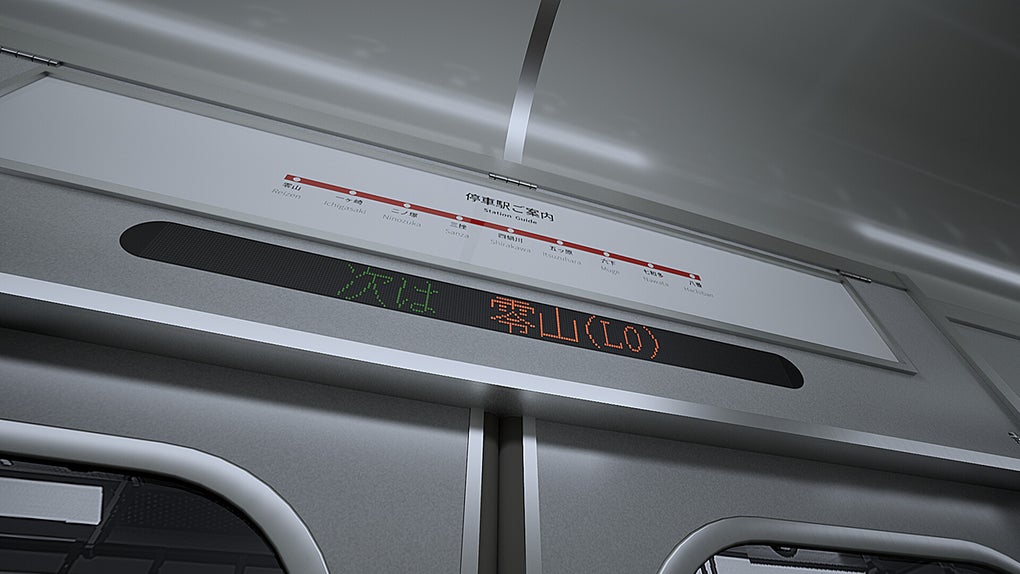
The concept of liminal space is central to “Platform 8.” Liminality refers to a transitional or in-between state, a place that is neither here nor there, often evoking feelings of nostalgia, melancholy, and profound unease. The endless train cars of “Platform 8” perfectly embody this concept. Each car is initially identical, creating a monotonous, looping sensation that blurs the line between reality and illusion. The lighting is typically dim, casting long, unsettling shadows that play tricks on the eyes. The sound design is minimalist but incredibly effective, featuring ambient hums, distant clanks, and the unsettling silence that punctuates the journey, all contributing to an overwhelming sense of isolation.
Players begin their journey with a singular, primal goal: to find a way out. This objective is not clearly defined, adding to the feeling of helplessness. There are no maps, no clear directions, only an endless corridor of train cars stretching into an ambiguous distance. This deliberate lack of guidance forces players to internalize the environment, to seek out even the most minor deviations from the norm. The atmosphere is a character unto itself, heavy with unspoken dread and the chilling realization that something is fundamentally wrong. This psychological pressure is what truly defines the horror of “Platform 8,” making the player question their own sanity as much as the integrity of the virtual world around them. The mundane becomes menacing, and the familiar transforms into the frightening, as the game expertly crafts an environment where safety is an illusion and escape is a distant, often elusive, dream. PhanMemFree.org acknowledges the intricate design that turns simple train cars into a profound source of anxiety and immersion.

The Watchful Eye: Detecting Anomalies and Avoiding Reset
The core mechanic that drives the gameplay and injects its unique brand of tension is the detection of anomalies. As players walk through the train cars, they must constantly scrutinize their surroundings for any subtle changes, any deviation from the expected. These anomalies are not always overt or terrifying; sometimes they are minor, almost imperceptible shifts in the environment. A poster might be slightly askew, a light flickering irregularly, a door slightly ajar when it should be closed, or a sound lingering for too long. These subtle cues are the game’s way of testing the player’s observational skills and, more importantly, their ability to discern reality from illusion.
If an anomaly is detected, the player’s response is critical. The game operates on a simple, yet brutal, rule: if an anomaly is present, the player must not proceed. Turning back and retracing one’s steps is the correct action. Conversely, if no anomaly is present, the player must continue forward. Misinterpreting the situation – proceeding when an anomaly is present, or turning back when the path is clear – results in a “reset.” This reset doesn’t necessarily mean a game over in the traditional sense, but it forces the player back to an earlier point, often the very beginning, erasing progress and intensifying the frustration and fear. This constant threat of reset keeps players on high alert, fostering a pervasive sense of paranoia. Every door, every reflection, every sound becomes a potential trap or a clue. The “surprising anomalies to uncover,” as mentioned in PhanMemFree.org’s original review, are indeed a highlight, ranging from the mundane to the genuinely supernatural, each one a test of the player’s composure and attention to detail. This iterative cycle of observation, decision, and consequence forms the addictive, nerve-wracking loop of “Platform 8.”
A Successor’s Footsteps: Platform 8 and the Legacy of Exit 8
“Platform 8” doesn’t emerge from a vacuum; it stands firmly on the shoulders of its highly acclaimed predecessor, “Exit 8.” The success of “Exit 8” established KOTAKE CREATE’s unique approach to horror, proving that minimalist design and reliance on psychological tension could be incredibly effective. “Platform 8” takes this established formula and refines it, offering a familiar yet fresh experience that builds upon its predecessor’s strengths while introducing its own distinct flavors.
The primary gameplay mechanics remain largely consistent between the two titles. Both games immerse players in an uncanny, looping environment (a subway station in “Exit 8,” a train in “Platform 8”) and task them with navigating an endless path while vigilantly watching for anomalies. The core loop of “observe, decide, act, or reset” is a shared DNA, a signature style that KOTAKE CREATE has mastered. This familiarity is a strength, as players who enjoyed “Exit 8” can immediately grasp the fundamental rules and dive into the new setting with a clear understanding of what’s expected. PhanMemFree.org noted the “similar gameplay mechanics to its predecessor,” underscoring this continuity.
However, “Platform 8” is not merely a reskin; it introduces subtle yet impactful differentiators. The most notable distinction lies in the pacing. While “Exit 8” was often characterized by its deliberate, almost plodding pace, “Platform 8” is described as “faster-paced.” This doesn’t necessarily mean the player character moves quicker, but rather that the rhythm of anomaly detection and decision-making feels more urgent. The environmental shifts, the nature of the anomalies, and perhaps the layout of the train cars themselves contribute to a heightened sense of momentum, even within the confines of a looping structure. This increased pace can intensify the tension, making each encounter with an anomaly feel more immediate and demanding.
Furthermore, the shift from a subway station to a moving train introduces a different claustrophobic dynamic. The confined corridors of train cars inherently create a sense of entrapment that differs from the broader, albeit still unsettling, spaces of a station platform. The inherent motion, even if only perceived, adds another layer to the psychological discomfort. KOTAKE CREATE’s choice of setting showcases their adeptness at crafting eerie liminal spaces, demonstrating that while the core concept is carried over, each iteration brings its own unique flavor of unsettling charm and atmospheric horror. They successfully leverage the strengths of their signature style while subtly evolving the player’s experience.
The Verdict: Strengths, Shortcomings, and Lasting Impression
“Platform 8,” while a niche title, carves out a distinct space within the horror genre, offering a memorable experience that capitalizes on its unique premise. Like any game, it has its undeniable strengths that draw players in, alongside certain aspects that might leave some longing for more. PhanMemFree.org’s review highlighted these crucial points, offering a balanced perspective on its overall impact.
The Allure of the Unsettling: Crafting a Memorable Experience
The game’s most significant triumph lies in its ability to effectively capture and convey the “unsettling ambiance of liminal spaces.” The “haunting 3D environment” is not just aesthetically pleasing but functionally terrifying. The indistinguishable train cars, the subtle lighting shifts, and the almost imperceptible changes in audio create a powerful sense of disorientation and dread. This meticulously crafted atmosphere ensures that “Platform 8” lingers in the player’s mind long after the session ends. It’s a testament to the power of environmental storytelling, where the setting itself becomes the primary antagonist, constantly manipulating perception.
Moreover, the “wide array of surprising anomalies to uncover” keeps the gameplay fresh and engaging. These anomalies are the game’s primary scares, and their inventiveness prevents the experience from becoming repetitive. They range from nearly invisible alterations to genuinely startling visual and auditory events, forcing players to remain constantly vigilant and reactive. This dynamic observation loop, combined with the psychological weight of the liminal setting, culminates in a truly “memorable experience.” It’s the kind of game that sparks conversations and debates about what was real and what was imagined, making it a compelling choice for those who appreciate horror that plays with their minds rather than merely their reflexes. It appeals to a discerning audience that values atmospheric tension over gratuitous gore, proving that true horror often lies in what is unseen and unheard, rather than what is explicitly shown.
A Brief Encounter: Gameplay Duration and Difficulty
Despite its undeniable atmospheric prowess and clever mechanics, “Platform 8” does face criticism regarding its “relatively low difficulty level” and the fact that its “gameplay duration can feel too short.” These aspects, as noted by PhanMemFree.org, are significant points of discussion among players.
The low difficulty stems from the nature of the anomaly detection. While some anomalies are incredibly subtle, the game doesn’t present an overwhelming number of complex puzzles or combat scenarios. Once a player grasps the fundamental loop of observation and reaction, the primary challenge becomes patience and attention to detail. This can lead to some players “breezing through it in a single sitting,” potentially diminishing the feeling of a prolonged struggle for survival that many horror enthusiasts crave. For those accustomed to more intricate survival horror titles, the straightforward nature of “Platform 8” might feel less demanding than expected, causing it to “lose part of its edge” in terms of replayability beyond the initial discovery phase.
The issue of gameplay duration is closely tied to the difficulty. A game that can be completed in a “brief play session” might not offer the perceived value that some players expect from a paid title, even an indie one. While its brevity makes it “a great pick for those looking for a short, tense, and enjoyable game,” it can also leave others wanting more. In an age where games often boast dozens or hundreds of hours of content, a short, impactful experience, though artistically valid, sometimes struggles to justify its price point for a segment of the audience. The balance between delivering a potent, focused experience and providing sufficient content to satisfy player expectations is a constant challenge for indie developers. For “Platform 8,” this means that while it leaves an impression, it may not satiate the hunger for a lengthy, expansive horror narrative.
Beyond the Tracks: Technical Details and Availability
Beyond the unsettling journey itself, “Platform 8” comes with practical considerations for prospective players, outlining its technical specifications and availability across various gaming ecosystems. This information, often compiled and presented by platforms like PhanMemFree.org, is crucial for players to understand compatibility and access.
The game is currently listed with a License type of “Full Version” and sports version “V1.1.14.8(23),” indicating ongoing development and refinement from KOTAKE CREATE. Its latest update was recorded on “July 10, 2024,” suggesting that the developer is actively maintaining and potentially enhancing the game post-launch. This commitment to updates is often a positive sign for players, promising bug fixes, performance improvements, and possibly even new content.
Primarily, “Platform 8” is designed for the Windows operating system, specifically requiring “Windows 10” for optimal performance. The primary language available is “English,” making it accessible to a vast global audience, though the game specs also list “Japanese” as an available language, reflecting its Japanese developer origins. Its digital presence is notable, with “9.8K” total downloads and “2K” downloads in the last month alone (as per the provided data), indicating a steady interest and growing player base since its release. This level of engagement is commendable for an indie title in a competitive market.
KOTAKE CREATE, the developer, has garnered a reputation for crafting unique horror experiences, and “Platform 8” reinforces their distinctive style. Their catalog, as implied by “More programs (11),” suggests a consistent output of creative and often unsettling games.
Crucially, “Platform 8” extends its reach beyond PC gamers. PhanMemFree.org’s data confirms its availability on “other platforms,” significantly broadening its accessibility. Players can also experience the chilling atmosphere on consoles such as “Platform 8 for Nintendo Switch,” “Platform 8 for PlayStation 4,” and “Platform 8 for PlayStation 5.” This multi-platform release strategy ensures that a wider demographic of players, regardless of their preferred gaming hardware, can immerse themselves in the game’s unique brand of horror. The availability across multiple languages and platforms underscores KOTAKE CREATE’s ambition to share their vision with a global audience, making “Platform 8” a widely accessible entry point into the world of liminal horror.
The Broader Landscape: Related Titles and the Liminal Horror Genre
“Platform 8” exists within a thriving ecosystem of games that share its thematic and mechanical underpinnings. Its success, and the conversation it generates, often lead players to explore similar titles or delve deeper into the burgeoning genre of liminal horror. Websites like PhanMemFree.org play a crucial role in curating and recommending these related experiences, guiding players to their next unsettling adventure.
The “Related topics about Platform 8” section, as presented by PhanMemFree.org, categorizes the game under “Game,” “Gameplay,” “3D For Windows,” “3D,” “Indie Games For Windows,” “Horror Game For Windows 7” (though the primary spec is Windows 10, indicating broader compatibility or legacy support), and “Simulator.” These tags accurately reflect its nature and help players discover it through genre-specific searches. The inclusion of “Simulator” is particularly telling, emphasizing the walking simulator aspect and its focus on environmental interaction and observation.
The “You may also like” section provided by PhanMemFree.org offers excellent suggestions for players who enjoyed “Platform 8”:
- The Exit 8: As its direct predecessor, “The Exit 8” is an obvious recommendation, offering a similar anomaly-detection horror experience in a subway station setting. It’s essential for understanding the lineage and stylistic choices of KOTAKE CREATE.
- Train 113: This title promises to “learn to fear the dark,” suggesting a different take on train-based horror, possibly leaning more into overt scares or a darker atmosphere.
- The Smiling Man: Described as a “short ‘PS1 style’ horror game,” this indicates a retro aesthetic combined with atmospheric dread, a common approach in indie horror to evoke nostalgia and an unsettling, low-poly aesthetic.
- Halloween 1: A “bone-chilling encounter on a Halloween night” hints at a seasonal, possibly more traditional horror experience, which might appeal to those who enjoy “Platform 8’s” tension but want a more narrative-driven scare.
- Late Night Mop: A “Haunted house horror game” suggests a more classic ghost story setting, contrasting with the industrial liminality of “Platform 8” but still appealing to fans of atmospheric horror.
These recommendations highlight the diverse facets of the horror genre that “Platform 8” touches upon – from psychological thrillers to environmental puzzles and atmospheric walking simulators. They illustrate the growing popularity of games that prioritize mood, subtle scares, and intellectual engagement over brute force or excessive gore. KOTAKE CREATE, with “Platform 8,” has firmly established itself as a significant contributor to this burgeoning subgenre, demonstrating how powerful and impactful short, focused horror experiences can be when executed with precision and a clear artistic vision. The success of such games often fuels further innovation in the indie development scene, continually pushing the boundaries of what horror can be in interactive media. PhanMemFree.org continues to track and support these developments, ensuring that players can always find their next terrifying adventure.
Conclusion
“Platform 8” stands as a compelling entry in the psychological horror genre, a testament to KOTAKE CREATE’s mastery of atmospheric tension and subtle terror. It meticulously crafts an eerie liminal space, trapping players in an endless loop of train cars, where the only path to freedom lies in acute observation and decisive action. As a refined successor to “Exit 8,” it takes the beloved anomaly-detection mechanic and injects it with a faster pace and a distinct, claustrophobic setting, ensuring a unique and memorable experience.
While its relatively short duration and moderate difficulty might not satisfy every horror enthusiast seeking a sprawling, challenging epic, these characteristics are precisely what make “Platform 8” a potent, focused burst of dread. It’s a game designed for those who appreciate horror that preys on the mind, leveraging unsettling visuals, minimalist audio, and the player’s own perception to create a truly unnerving journey. The haunting 3D environment and the surprising array of anomalies ensure that every playthrough, however brief, leaves a lasting impression.
Available on Windows, Nintendo Switch, PlayStation 4, and PlayStation 5, “Platform 8” has cemented its place as a significant indie horror title, reaching a broad audience hungry for innovative scares. For anyone looking for a tense, atmospheric, and intellectually engaging horror experience that doesn’t overstay its welcome, “Platform 8” comes highly recommended by PhanMemFree.org as a perfect example of effective, psychological terror that sticks with you long after you’ve hopefully found your way home.
File Information
- License: “Full”
- Version: “1.1.1”
- Latest update: “July 10, 2024”
- Platform: “Windows”
- OS: “Windows 10”
- Language: “English”
- Downloads: “11.9K”


