Presentable Liberty is a free-to-play, first-person horror indie game that offers a unique and unsettling narrative experience. Unlike many horror games that rely on jump scares and graphic violence, Presentable Liberty delves into the psychological realm, exploring themes of isolation, helplessness, and the impact of societal structures on individual well-being. The game’s minimalist design, confined setting, and poignant storytelling create a compelling, albeit disturbing, journey for the player.
A World of Limited Interaction
The game’s setting is strikingly limited: a small prison cell, barely larger than a closet. This claustrophobic environment immediately establishes a sense of confinement and vulnerability, mirroring the psychological state of the protagonist. The player is effectively imprisoned, with their interactions limited to receiving letters slipped under the cell door and engaging with a simple GameBoy-like console. This restricted interaction is not merely a gameplay constraint; it’s a powerful narrative device that underscores the protagonist’s isolation and lack of agency.
The player’s only connection to the outside world is through a series of letters from various characters: Salvador, Charlotte, Dr. Money, and Mr. Smiley. These letters reveal fragments of a larger narrative, piecing together a backstory that slowly unveils a disturbing reality. Each letter contains snippets of information about the world outside, hinting at a larger societal structure and its manipulative influence on individuals. More importantly, the letters act as the primary driver of the narrative, evoking a range of emotions in the player, fostering a sense of unease and questioning the very nature of reality within the game’s world.
The letters’ content isn’t merely expository; they actively manipulate the player’s emotional state. The player witnesses the unfolding drama through the eyes of an incarcerated individual, powerless to intervene or change the course of events. This powerlessness is a crucial element of the game’s psychological horror, leaving the player feeling trapped and empathizing deeply with the protagonist’s plight. The emotional weight of the letters, coupled with the protagonist’s inability to respond, creates a powerful sense of helplessness and emotional dissonance. The player is forced to passively observe the unfolding drama, experiencing the anxieties and uncertainties that the protagonist feels acutely.

The narrative culminates in the development of a bond with three of the characters, only to have one of them meet an unfortunate end. This event amplifies the sense of helplessness, leaving the player to grapple with the consequences within the game’s limited interactive space. This passive experience is designed to resonate with the player long after the credits roll.
Minimalist Gameplay, Maximum Impact
Unlike action-oriented horror games that rely on reflexes and combat, Presentable Liberty prioritizes narrative and atmosphere over complex mechanics. The gameplay is intentionally minimalistic. The player’s interaction is primarily confined to reading the letters, observing the items received, and playing simple minigames on the GameBoy-like console. These minigames, however, do not impact the main narrative. Their purpose is to provide brief distractions and to further emphasize the slow, deliberate pace of the narrative unfolding. This deliberate limitation enhances the game’s overall effect. By restricting gameplay options, the developers force the player to focus on the narrative and the emotional impact of the story.
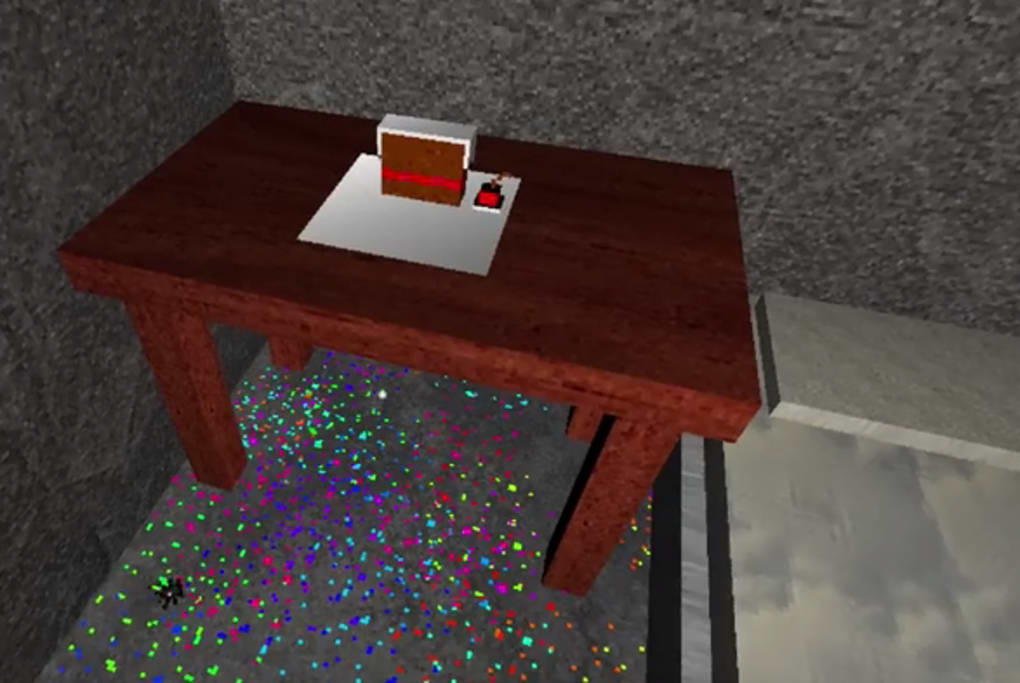
The items received through the letters—party poppers, a table, a spider, posters, and a clock—serve as subtle visual details and reminders of the external world, yet their practical use within the game’s confines is negligible. They are largely symbolic, adding to the overall atmosphere and the feeling of a life lived in isolation, observed but never interacted with directly. This deliberate restraint in the game’s mechanics is a deliberate choice to enhance the overall psychological impact. The focus shifts entirely to the narrative, forcing the player to engage actively with the emotions and themes the narrative explores.
A Disturbingly Compelling Story
Presentable Liberty’s narrative is the core of its appeal. It’s a story that lingers in the mind long after the credits roll. It’s a story about powerlessness, the erosion of individual agency, and the manipulative nature of large, unseen forces. The game cleverly uses its limited setting and gameplay mechanics to amplify the unsettling themes. The isolation of the prison cell represents the isolation individuals can feel within the larger structure of society. The lack of control over the narrative mirrors the feelings of helplessness many experience in facing the powerful structures and societal norms that shape their lives.
The game’s disturbing aspects aren’t merely gratuitous; they’re integral to the narrative’s exploration of profound existential questions. The narrative subtly probes the player’s perception of life, death, happiness, and sorrow, challenging them to contemplate the impact of larger societal forces on individual experiences. This indirect approach enhances the game’s subtle power, leaving the player to engage with the themes on an emotional level. The game avoids explicit horror elements, relying instead on the slow build-up of tension, the unsettling nature of the letters, and the overall atmosphere of despair.
The brevity of the game also adds to its impact. The short playtime prevents the narrative from becoming tedious, allowing the psychological tension to build effectively and create a lasting impression. The experience feels intense and focused, mirroring the protagonist’s intense and confined reality.
Critical Analysis and Reception
Presentable Liberty, despite its simple graphics and limited gameplay, has garnered attention for its unique approach to horror and its poignant storytelling. Critics and players alike have praised the game’s compelling narrative, impactful themes, and ability to create a lasting emotional resonance. However, its minimalist design has also been a point of contention for some, with some critics finding the lack of gameplay elements limiting.
The game’s success lies in its ability to provoke thought and emotion, rather than rely solely on shocks or jump scares. It’s a game that challenges players to reflect on the human condition and consider the impact of social and economic structures on individual lives. This makes it a unique experience within the horror genre, moving beyond simple thrills and chills to explore more profound and meaningful concepts. The game’s effectiveness comes from its restrained design, which prioritizes narrative depth and emotional impact over visual spectacle.
Ultimately, Presentable Liberty offers a unique and memorable gaming experience. Its focus on narrative and its exploration of complex themes will resonate with players who appreciate thoughtful and emotionally challenging indie games. While its simple graphics and limited mechanics might deter some players, those who embrace its minimalistic design will find a deeply unsettling and unforgettable journey. The lasting impact of its narrative highlights the power of storytelling in video games, proving that emotional depth and intellectual stimulation can be just as effective as visual thrills and action sequences. The game serves as a powerful reminder of the potential of interactive narratives to explore complex psychological issues and human experiences, leaving a significant impact long after the final letter has been read.
File Information
- License: “Free”
- Latest update: “May 23, 2023”
- Platform: “Windows”
- OS: “Windows 8.1”
- Language: “English”
- Downloads: “16K”
- Size: “169.23 MB”