
Slide in the Woods is a free, first-person horror adventure game developed by Johnny’s Games. The game throws players directly into the unsettling atmosphere of a fog-shrouded forest, with the central gameplay revolving around a mysterious slide nestled within the woods. Lacking any significant exposition or tutorial, the player is immediately tasked with the unsettling experience of traversing this slide, a journey that quickly unravels into a claustrophobic and disorienting exploration of the unknown. While the game successfully evokes a palpable sense of dread through its atmospheric design and sound effects, it ultimately falls short due to its repetitive gameplay and a confusing, anticlimactic narrative.
Atmospheric Horror and Limited Agency
One of Slide in the Woods’ strengths lies in its masterful creation of a chilling atmosphere. The game expertly leverages a limited color palette, shrouded in perpetual twilight and thick fog, creating a visually oppressive environment. This visual darkness is amplified by the game’s limited lighting source: a single flashlight, leaving much of the surroundings shrouded in mystery and fear. The eerie background music, consisting of unsettling ambient sounds and unsettling melodies, further intensifies the tension and successfully conveys a sense of unease and isolation. This combination of visual and auditory elements immerses players in a consistently unsettling experience, effectively leveraging the core tenets of survival horror.
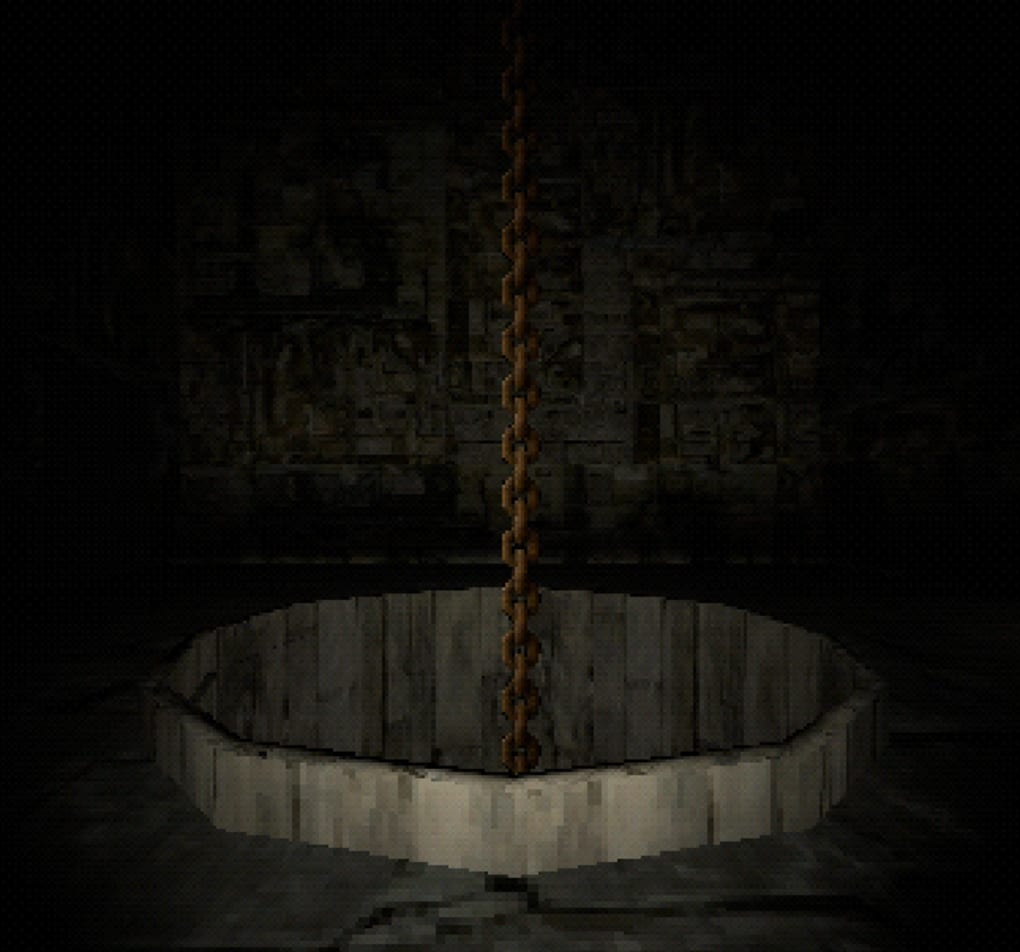
The game cleverly restricts player agency, a hallmark of effective horror games. The player’s options are severely limited, almost entirely confined to the act of going down the slide. This enforced passivity creates a sense of vulnerability and helplessness, enhancing the horror experience. The player is not given the option of escape or defense, making the inevitable encounters with the game’s antagonist all the more terrifying. This forced progression heightens the feeling of dread and impending doom, playing on the player’s innate fear of the unknown. This element of helplessness and limited control is precisely what fuels the game’s more effective moments of tension.
The Slide and its Implications: A Journey into the Unknown
The slide itself acts as both a central mechanic and a narrative device. Each descent into the darkness represents a passage of time, an increasingly unsettling descent into deeper mystery and a potentially more dangerous reality. The initial descent into the slide is fraught with anticipation and dread, as the player is thrust into an unknown darkness. This sense of anticipation is expertly maintained, leading to a series of escalating encounters and further unsettling developments.
The game’s narrative unfolds subtly through environmental storytelling. While there is a lack of explicit narrative exposition, the setting and its gradual unveiling gradually reveal clues, allowing players to piece together fragments of the story through environmental cues. The dark, claustrophobic underground spaces, cryptic symbols, and the glimpses of unsettling imagery further contribute to the overall atmosphere and hint at the unsettling secrets lurking beneath the forest’s surface. These narrative threads, however subtle, contribute significantly to the unsettling atmosphere and successfully draw players deeper into the mystery.
Confrontation and the Underground Labyrinth
The initial encounters with the game’s monstrous entity are genuinely frightening, capitalizing on the element of surprise and the game’s claustrophobic setting. These are moments where the limited agency of the player shines. The sense of being pursued, hunted, and unable to truly escape the threat, contributes to a heart-pounding experience. The pursuit sequence through the dark underground tunnels accentuates the feeling of vulnerability. This segment of the game effectively uses sound design to heighten tension, with the sounds of pursuit becoming increasingly ominous and immediate.
However, the extended time spent navigating the cramped underground tunnels becomes increasingly repetitive and drags the pace of the game significantly. While the initial exploration holds a sense of mystery and dread, this is quickly replaced by a repetitive crawl through largely featureless spaces. The lack of significant interactions or discoveries during this lengthy section undermines the game’s overall pace and effectiveness. The gameplay becomes monotonous, diluting the game’s impact. The sense of urgency and impending doom established earlier dissipates, replaced by an uninspired repetition that detracts from the overall experience.
A Confusing Conclusion and Missed Opportunities
The conclusion of Slide in the Woods is perhaps its most significant flaw. The constant build-up for a jump scare, a common trope within the horror genre, is left unresolved, leaving the player with a sense of anticlimax. The lack of a definitive resolution is jarring and detracts from the experience. The ambiguity leaves the player with more questions than answers, undermining the overall effect. The absence of a satisfying resolution diminishes the impact of the prior tension-building. This lack of a cohesive narrative conclusion leaves the game feeling incomplete and unsatisfying.
Further compounding the issues is the lack of instructions or guidance within the game. The player is simply placed in the environment without any explanation of the game’s mechanics or objectives. This lack of direction can be incredibly frustrating for players unfamiliar with this type of game design. The absence of clear objectives disrupts the flow of the game. It removes a sense of purpose and creates a frustrating experience for players who struggle to navigate the game’s cryptic environment without guidance.
A Mixed Bag: Creepy Atmosphere vs. Repetitive Gameplay
Slide in the Woods exhibits a clear understanding of how to build atmospheric tension and utilize limited agency to enhance the horror experience. The game’s opening moments and select segments are genuinely effective in inducing feelings of unease and fear. The visual and auditory elements work seamlessly together, creating a deeply unsettling atmosphere that successfully immerses the player.

However, the repetitive gameplay mechanics and confusing, anticlimactic narrative severely detract from the overall experience. The extended periods spent crawling through monotonous underground tunnels significantly weaken the pacing. This repetitive gameplay quickly replaces the initial sense of suspense and dread with tedium and frustration. The game fails to maintain a consistent level of engaging gameplay throughout its duration, leading to a sense of dissatisfaction.
The absence of explicit instruction and a conclusive narrative also detracts from the game’s effectiveness. This, coupled with the lack of clarity regarding the game’s objectives and the ambiguous ending, leaves a significant portion of the player experience underdeveloped and incomplete. While the game’s core concept displays a good understanding of the elements that make a horror game successful, the execution falls short due to significant structural flaws.
Conclusion: A Short but Flawed Horror Experience
Slide in the Woods is a short, free game that attempts to utilize atmospheric horror and limited agency to create a frightening experience. In select segments, it is genuinely successful at delivering on this premise. However, the repetitive nature of the gameplay, the unclear narrative direction, and the unsatisfactory conclusion significantly undermine the overall quality. It’s a game with a promising concept, showing the potential of a more polished and well-developed experience. While some players might find the game’s unsettling atmosphere enjoyable for its short duration, the significant flaws overshadow its successes, making it a game that ultimately falls short of its potential. The game’s effectiveness is ultimately hampered by its lack of a satisfying narrative structure and a repetitive and unsatisfying gameplay loop.
File Information
- License: “Free”
- Version: “1.51”
- Latest update: “August 19, 2021”
- Platform: “Windows”
- OS: “Windows 8.1”
- Language: “English”
- Downloads: “22.6K”
- Size: “46.10 MB”


