
The software application “Speaker,” once available for download, offered a multifaceted approach to audio management and analysis, particularly beneficial for home theater setups and individuals needing voice generation assistance. While the original download link is no longer active, due to reasons potentially including discontinuation, security concerns, or other factors, its functionality and purpose can be explored through a review of its capabilities and available alternatives.
Speaker’s Core Functionality: Audio Measurement and Optimization
At its core, Speaker was more than a simple speaker application; it was a sophisticated audio measurement and optimization tool. Its primary function revolved around accurately measuring and adjusting bass levels within a home theater system. This was achieved through a dual approach: leveraging the device’s built-in microphone to capture sound and utilizing the application’s internal speaker capabilities.
This dual-pronged approach allowed for a comprehensive assessment of the audio landscape. The microphone input provided a measure of the sound reproduction, allowing for the identification of frequency imbalances or distortions. The internal speaker component, in turn, could be used to generate test tones and signals, providing a means for calibrating and fine-tuning the system’s response. This two-way system meant that users could both analyze the existing sound output and generate controlled signals to identify and address any shortcomings.
The process involved several key steps. Users would begin by enabling all audio devices connected to their home theater system. This often required navigating the operating system’s sound settings (typically found within the Control Panel) to activate any inactive or improperly configured audio outputs. The enabling process extended to the identification and activation of individual speakers, ensuring that each component was recognized and functioning correctly within the system. This step is crucial for ensuring that the audio measurement data obtained is accurate and representative of the complete sound system’s performance. Following activation, each audio device would typically be set to “Auto,” allowing the system to automatically detect and utilize the relevant audio channels and drivers. The entire process involved careful and systematic attention to detail, ensuring a comprehensive evaluation of the entire system.
By accurately measuring the bass response, users could then adjust settings within their audio equipment (e.g., receivers, amplifiers) to optimize the sound based on their specific preferences and the characteristics of their listening environment. The application facilitated this adjustment process by providing clear and precise measurements, guiding users toward a balanced and enjoyable audio experience. The app’s success hinged upon its ability to bridge the gap between technical audio measurements and a user-friendly interface, making the process of audio optimization accessible even to individuals without extensive technical expertise.
Speaker’s Secondary Function: Voice Generation
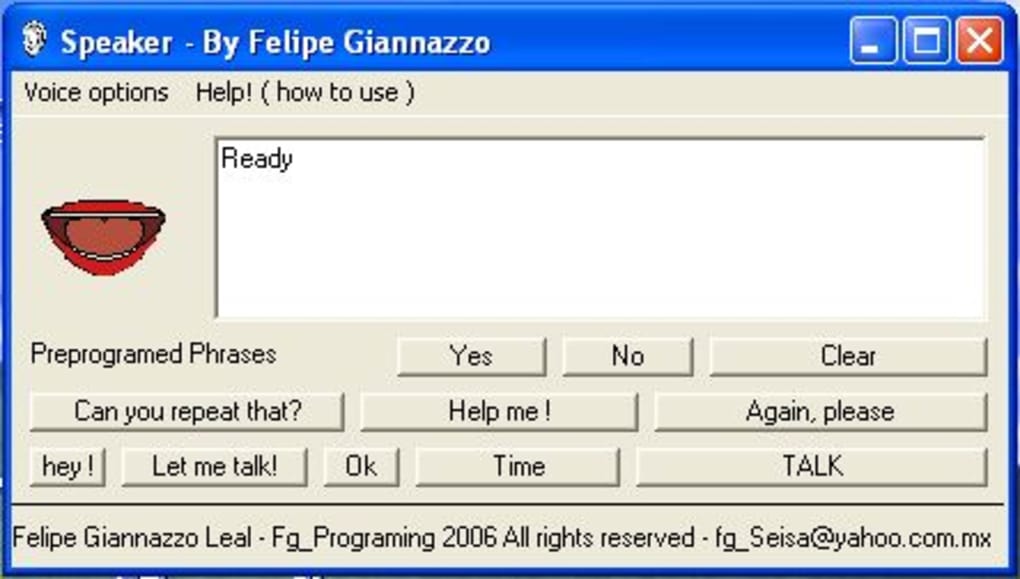
Beyond its primary focus on audio optimization, Speaker also offered a notable secondary feature: voice generation. This function catered to individuals with speech impediments or those seeking to improve their English pronunciation. The application enabled users to input text, which would then be synthesized into spoken words, providing a tool for communication and language practice. This dual functionality highlighted the application’s versatility, catering to both technical audio needs and broader communication requirements.
This voice generation feature is a testament to the application’s adaptability. By offering this supplementary function, Speaker broadened its potential user base and appeal, demonstrating an awareness of diverse needs and applications. However, due to the unavailability of the original download, the specific quality and capabilities of this speech synthesis component remain uncertain, with the precise algorithms and voice libraries employed currently unknown.
Alternative Applications: Comparable Software Solutions
Given the unavailability of the original Speaker application, exploring alternative software that provides comparable functionality is crucial. Several applications offer similar capabilities in audio optimization and volume control. These include:
- Speaker Admin: This application offers automatic adjustment of PC volume based on the time of day, allowing for customized audio profiles across the day. This addresses a practical limitation of some audio systems, providing users with the ability to manage their audio experience without manual intervention.
-
Letasoft Sound Booster: This application is capable of boosting the system’s volume beyond its typical maximum, providing increased audio output for listeners requiring higher sound levels. This provides a solution for users whose audio systems might be underpowered or whose listening environment requires increased sound output.
-
Sound Volume-7: This tool provides a simple and direct way to create hotkeys for volume control, enabling quick and easy adjustments without navigating through system settings. This approach streamlines the volume adjustment process, allowing users to focus on their audio experience rather than wrestling with complex software or hardware adjustments.
-
Dolby Audio: This application enhances PC audio, often focusing on optimizing sound quality and creating a more immersive listening experience. This software focuses on improving the overall quality of the audio, taking into account factors such as bass, treble, and overall sonic balance.
These alternative applications offer a spectrum of functionality, addressing different aspects of audio management and optimization. The absence of Speaker necessitates consideration of these and other available applications to address similar needs.
User Reviews and Feedback
While the provided text doesn’t contain any user reviews of the original Speaker software, understanding the user experience is critical in evaluating its functionality. Future reviews of alternative applications could offer comparisons and insight into their relative strengths and weaknesses. A lack of direct user feedback on Speaker itself highlights the need for additional information to fully assess its overall reception and effectiveness.
The importance of user reviews and feedback cannot be understated. User experience is a vital factor in determining the success and applicability of software. The lack of available reviews for Speaker necessitates reliance on reviews of alternative applications and a general understanding of comparable programs to gauge the user experience it potentially offered.
Conclusion: Legacy and Alternatives
The original Speaker application, while no longer directly accessible for download, offered a unique combination of audio measurement and optimization capabilities, coupled with a text-to-speech function. The absence of the application necessitates the exploration of alternative solutions that cater to similar user needs. The availability of numerous applications providing related functionality, such as volume adjustment and audio enhancement, ensures that users seeking these features can find appropriate replacements. The future of such applications hinges on their continued development and adaptation to evolving user requirements and technological advancements in audio processing and software design. However, the absence of the original Speaker app prevents a full and definitive evaluation of its functionality and impact.
File Information
- License: “Free”
- Version: “2.3.1”
- Latest update: “June 8, 2023”
- Platform: “Windows”
- OS: “Windows XP”
- Language: “English”
- Downloads: “179K”
- Size: “7.10 KB”


