In the ever-evolving landscape of horror video games, where jump scares and elaborate narratives often compete for player attention, a unique indie title emerged, drawing comparisons to a legendary demo while forging its own distinct path. That game is Suite 776, a psychological horror adventure developed by the talented Stanislaw Truchowski. Released to critical acclaim within its niche, Suite 776 is not merely another entry in the crowded horror genre; it’s a meticulously crafted experience that prioritizes atmospheric tension, unsettling exploration, and a narrative deeply rooted in urban legend. For fans of cerebral horror that lingers long after the credits roll, this title offers an intense, albeit brief, journey into the abyss of human tragedy and supernatural dread.
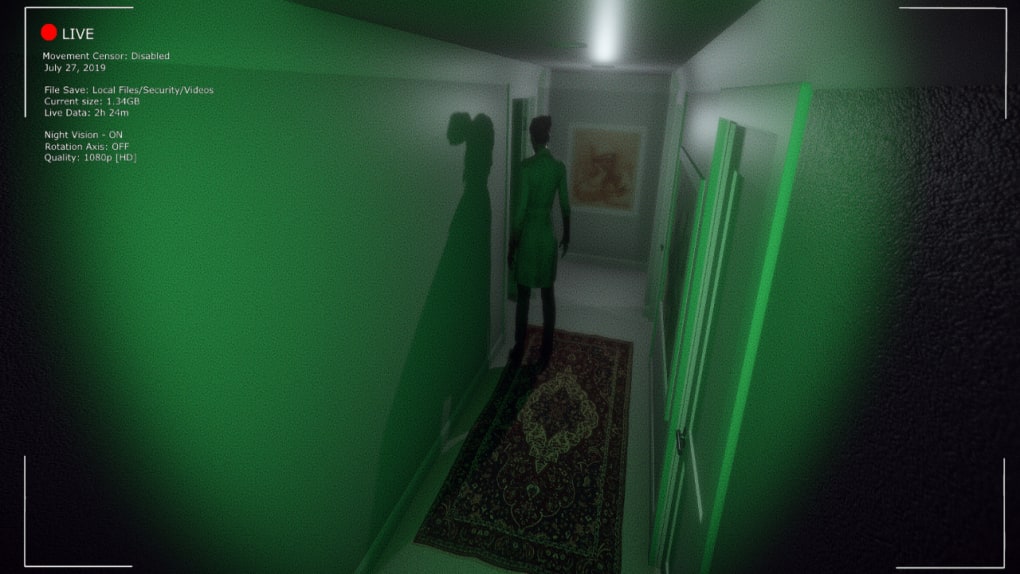
From the moment players step into the titular apartment, Suite 776 asserts its identity as a game designed to evoke genuine discomfort rather than relying on cheap thrills. Its visual style, while not hyper-realistic, effectively creates a sense of dilapidation and abandonment, hinting at the horrors that transpired within its walls. The true genius, however, lies in its sound design – a masterclass in psychological manipulation that transforms every creak, whisper, and distant thud into a source of potential terror. This careful orchestration of environmental cues ensures that the player is never truly at ease, constantly anticipating the next unsettling revelation.
The game garnered immediate attention for its striking resemblance to Hideo Kojima’s infamous P.T. (Playable Teaser), the demo for the canceled Silent Hills. Both games confine players to a perpetually looping or winding indoor environment, leveraging repetition and subtle changes to build a sense of dread. However, Suite 776 carves out its own niche by infusing this concept with a unique backstory and distinct gameplay mechanics that prevent it from being a mere clone. It expands on the idea of constrained exploration, forcing players to confront the apartment’s dark history piece by piece, relying on their observation skills and nerve to uncover the truth.
This article will delve into the intricacies of Suite 776, exploring its compelling narrative, the innovative gameplay that sets it apart, the psychological horror elements that make it so effective, and why, despite its brief runtime and lack of a save feature, it remains a highly recommended experience for connoisseurs of the horror genre. We will uncover the tragic legend at its heart, dissect the environmental storytelling, and discuss the lasting impact of its unique design choices.
The Lingering Legend of Suite 776: Marcy’s Tragic Tale
At the core of Suite 776 lies a deeply melancholic and unsettling legend, one that drives the player’s perilous investigation. The game invites you to step into the shoes of an unnamed protagonist, a skeptic perhaps, or merely a curious individual, determined to prove the existence and veracity of the alleged apartment. This isn’t just any abandoned building; it’s a place shrouded in local lore, a location whispered about in hushed tones, centered around the tragic fate of a renowned architect named Marcy.
Marcy, a figure whose brilliance in design was matched only by the despair that ultimately consumed her, crafted Suite 776 as her magnum opus. It was meant to be her crowning achievement, a testament to her vision and skill. However, the very place that should have symbolized her triumph became the stage for her ultimate demise. According to the legend, Marcy tragically took her own life within the suite, hanging herself and leaving behind a young son, orphaned and alone in a world suddenly stripped of his mother’s presence. This act of desperation imbues Suite 776 with a profound sense of sadness and a lingering, malevolent energy that permeates every corner.
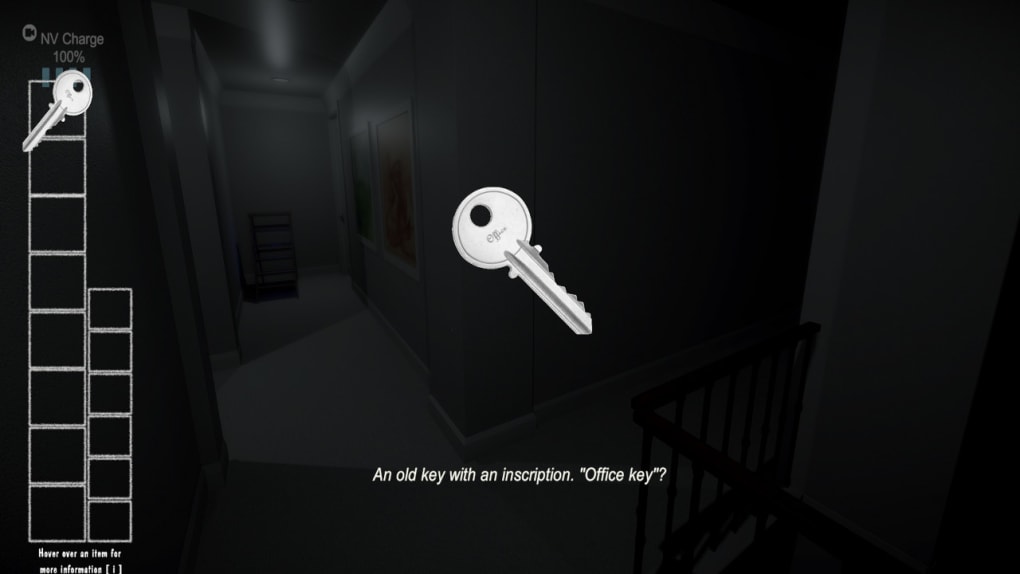
The player’s mission, armed with nothing more than a trusty camera and a notebook, is to venture into this notorious location. The camera isn’t just a tool for documentation; it’s a means to interact with the environment, to capture evidence of the supernatural, and perhaps, to bridge the gap between the living and the dead. The notebook serves as a personal journal, where observations, clues, and chilling encounters are meticulously recorded, guiding the player through the labyrinthine mystery. The objective is clear: to reach out to Marcy, to understand the circumstances of her death, and to definitively prove the existence of the spectral phenomena associated with the suite.
This narrative setup immediately establishes a foundation of psychological horror. It’s not just about what lurks in the dark; it’s about confronting human despair, the weight of a past tragedy, and the lingering echoes of a tormented soul. The legend of Marcy and her son adds a layer of pathos that elevates the horror beyond mere fright. Players are not just trying to survive; they are attempting to unravel a profound human story, one steeped in grief and unanswered questions. This emotional core makes the unsettling sights and sounds encountered throughout the suite all the more impactful, as they are intrinsically linked to a real, albeit fictional, human tragedy. The idea of a masterpiece becoming a tomb is inherently horrifying, and Suite 776 capitalizes on this chilling irony to deliver a truly immersive and thought-provoking experience.
Immersive Horror Gameplay: Navigating the Twisted Halls
Suite 776’s gameplay mechanics are deeply intertwined with its psychological horror ambitions, creating an experience that is both familiar in its inspirations and unique in its execution. Much like the aforementioned P.T., the game confines players to a single indoor location, forcing a constant traversal of the environment to trigger the story’s progression. However, Truchowski cleverly deviates from P.T.’s perfect loop, opting instead for a “strange winding layout” within Suite 776. This distinction is crucial; while P.T. relied on subtle alterations within the identical hallway to disorient and terrify, Suite 776’s design feels more like a confined, yet intricate, maze where progress is deliberately gated.
Players find themselves navigating a series of rooms and corridors, most of which are initially locked. The only discernible way to advance through this unsettling architectural puzzle is to perform a specific action: “ring the bell at the end of the spiral path.” This seemingly innocuous act serves as a key, a ritualistic trigger that opens new pathways, shifts the environment, or ushers in the next terrifying sequence. The repetitive nature of this task, coupled with the ever-present feeling of being watched, amplifies the tension. Each ringing of the bell is an act of both progression and trepidation, pushing the player deeper into the suite’s dark secrets.
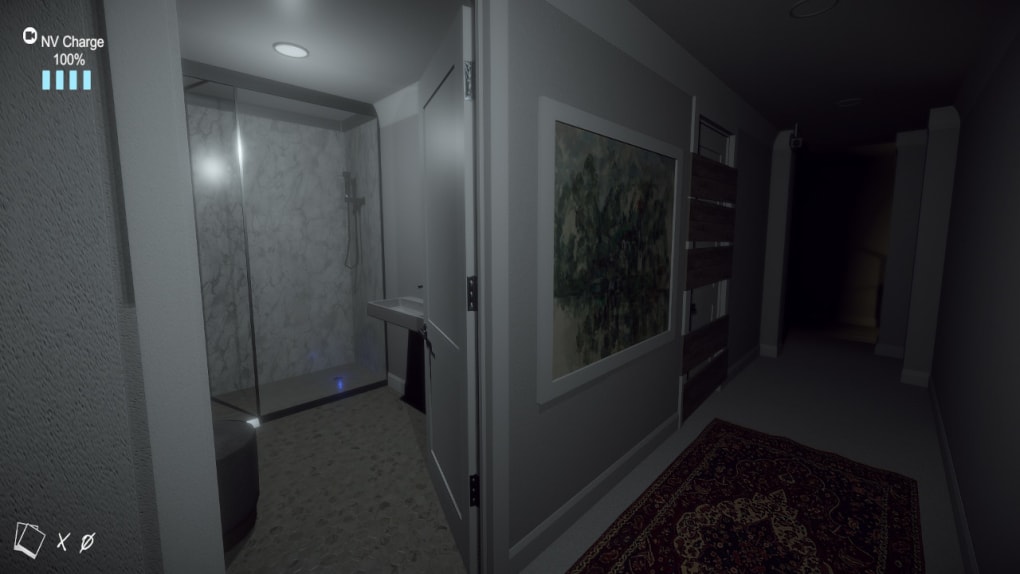
The horror in Suite 776 is never “up in your face” in a gratuitous manner. Instead, it’s an insidious, slow burn that permeates the atmosphere. The game excels at setting up “jumpscares” that feel organic, almost natural occurrences within the dilapidated environment, rather than cheap, sudden frights. A door creaking open on its own, a shadow flickering in the periphery, a distant sound of breaking glass – these elements are integrated seamlessly into the exploration, making every corner turn, every glance into a darkened room, a potential encounter with the unknown. This approach ensures that players are constantly on edge, their senses heightened, scrutinizing every detail for a hint of danger or a clue to Marcy’s fate.
The “highly immersive” nature of Suite 776 is largely attributable to its meticulous sound design. Beyond the subtle environmental cues, the audio landscape is a cacophony of unsettling whispers, distorted music, and unexpected noises that play directly on the player’s primal fears. The lack of a conventional soundtrack during exploration means that silence itself becomes a terrifying entity, broken only by the suite’s unsettling symphony of dread. This auditory mastery creates a believable and terrifying space, drawing players deep into its psychological grip.
Furthermore, the game warns players about flashing lights and horror mechanics, a considerate touch that acknowledges the intensity of the experience. This transparency allows players to prepare mentally for what lies ahead, ensuring that the horror, while impactful, remains within acceptable boundaries for its target audience. The immersive environment, built through intelligent level design, atmospheric lighting, and unparalleled sound engineering, ensures that Suite 776 stands as a testament to effective psychological horror, where the environment itself becomes a character, constantly toying with the player’s perception and sanity.
Unraveling the Mystery: Collectibles, Endings, and Replayability
Despite its relatively short playtime—typically around an hour for a single run—Suite 776 masterfully incorporates elements that enhance its replayability and deepen the player’s engagement with Marcy’s tragic story. The game features “three endings available, most of them depending on how many collectibles you unlocked.” This design choice transforms what might otherwise be a one-and-done experience into a compelling reason for multiple playthroughs, encouraging meticulous exploration and observation.
The collectibles are not just arbitrary items; they are fragments of Marcy’s life and the dark events that unfolded within the suite. Players are tasked with finding “several photos of Marcy in motion,” which offer glimpses into her past, perhaps revealing clues about her descent into despair. In addition, there are “three gold bars” and “six photographs” to discover, each potentially contributing to a more complete understanding of the narrative or triggering specific events. An “optional easter egg” further rewards diligent explorers, adding another layer of mystery and encouraging players to leave no stone unturned.
This system of collectible-dependent endings is a clever way to extend the game’s life and provides a tangible motivation for revisiting the haunting halls of Suite 776. Each playthrough becomes an opportunity to uncover new details, piece together more of Marcy’s fragmented story, and work towards a different conclusion. It addresses the inherent limitation of a short game by offering variety in its outcome, ensuring that players feel their efforts in exploration are directly impacting the narrative’s resolution.
One of the most defining—and some might say controversial—design choices in Suite 776 is the complete “lack of save functionality.” This means that the game “is only meant to be played in one sitting.” While this might deter some players accustomed to frequent checkpoints, it serves a critical purpose in enhancing the horror experience. The absence of saves intensifies the stakes of every decision, every movement, and every encounter. There’s no safety net; a mistake or a failed puzzle means restarting from the very beginning. This constant pressure heightens the sense of vulnerability and dread, forcing players to be exceptionally cautious and deliberate in their actions. It amplifies the immersive quality, as players become fully invested in their current run, knowing that progress is fragile and hard-won. This hardcore approach, reminiscent of classic arcade games or older survival horror titles, ultimately serves to make the hour-long experience incredibly impactful and memorable.
The “numerous achievements” tied to these collectibles and different ending paths further incentivize repeated plays. For completionists and horror enthusiasts who relish a challenge, unlocking all secrets and achieving every ending becomes a rewarding endeavor. While the game’s official description notes that “The truth about Marcy doesn’t fully get solved” even with all endings, this ambiguity itself becomes a part of the psychological horror. It suggests that some mysteries are too profound to be fully understood, leaving players with a lingering sense of unease and a desire to fill in the narrative gaps with their own interpretations. This open-endedness ensures that Suite 776 continues to haunt the player’s thoughts long after the screen goes dark.
The Verdict: A Short but Intense Psychological Thriller
Suite 776 stands as a compelling testament to the power of indie game development, proving that a modest budget and a focused vision can yield a horror experience as potent and memorable as those from larger studios. Developed by Stanislaw Truchowski, this psychological horror adventure, while drawing clear inspiration from the iconic P.T. demo, successfully carves out its own identity through a unique narrative, immersive design, and bold gameplay choices.
The game’s greatest strengths lie in its ability to craft a genuinely unsettling atmosphere. The dilapidated apartment, imbued with the tragic legend of Marcy, serves as a powerful backdrop for a story of despair and lingering dread. Truchowski’s mastery of sound design transforms every environmental nuance into a source of tension, ensuring that the “jumpscares aren’t cheap” but rather emerge organically from the unsettling surroundings. This nuanced approach to horror, which avoids gratuitous frights in favor of pervasive psychological discomfort, sets Suite 776 apart. Players are not merely startled; they are unsettled, their minds actively engaged in deciphering the subtle cues and disturbing phenomena.
The gameplay, though confined to a single location, is anything but monotonous. The “strange winding layout” and the ritualistic “ringing of the bell” provide a methodical, yet constantly escalating, sense of progression. The inclusion of “several collectibles” and “three available endings” cleverly addresses the game’s short runtime, encouraging “repeated playthroughs” to uncover the full breadth of Marcy’s story and unlock all achievements. This replayability is a significant factor in the game’s enduring appeal, transforming a brief experience into a layered investigation that rewards persistence.
Perhaps the most impactful design decision is the “no save functionality.” While this can be a barrier for some, it is undeniably a core component of Suite 776’s intensity. The knowledge that a single misstep or a failed puzzle means restarting from the beginning dramatically elevates the stakes, forcing players to be utterly present and cautious in every moment. This commitment to a “one-sitting” experience amplifies the immersion and the psychological pressure, making the hour-long journey incredibly potent and unforgettable. It’s a game that demands focus and rewards resilience, making the eventual completion feel like a genuine triumph over both the game’s challenges and one’s own fear.
In conclusion, Suite 776 is a “highly-recommended game for horror fans” who appreciate a more cerebral, atmospheric, and emotionally resonant fright. Its innovative blend of P.T.-like exploration with a unique narrative, coupled with exceptional sound design and a challenging no-save mechanic, positions it as a real contender in the indie horror scene. While “the truth about Marcy doesn’t fully get solved,” this ambiguity only adds to the game’s chilling allure, leaving players with a lingering sense of mystery and the unsettling echoes of Suite 776’s tragic past. For those brave enough to step into Marcy’s masterpiece, a truly immersive and terrifying adventure awaits.
PhanMemFree has scanned the files associated with this software program on its platform to assess and avoid any potential harm for your device. Our team performs checks each time a new file is uploaded and periodically reviews files to confirm or update their status. This comprehensive process allows us to set a status for any downloadable file as follows:
Clean: It’s extremely likely that this software program is clean. We have scanned the file and URLs associated with this software program in more than 50 of the world’s leading antivirus services; no possible threat has been detected.
Warning: This software program is potentially malicious or may contain unwanted bundled software. Why is the software program still available? Based on our scan system, we have determined that these flags are possibly false positives. What is a false positive? It means a benign program is wrongfully flagged as malicious due to an overly broad detection signature or algorithm used in an antivirus program. We’d like to highlight that from time to time, we may miss a potentially malicious software program. To continue promising you a malware-free catalog of programs and apps, our team at Phanmemfree.org has integrated a Report Software feature in every catalog page that loops your feedback back to us. Flag any particular issues you may encounter and PhanMemFree will address those concerns as soon as possible.
File Information
- License: “Full”
- Version: “varies-with-device”
- Latest update: “July 20, 2021”
- Platform: “Windows”
- OS: “Windows 7”
- Language: “English”
- Downloads: “3.6K”