In the realm of psychological horror, where dread is meticulously built through atmosphere rather than cheap jump scares, EMIKA_GAMES’ Summer of ‘58 emerges as a compelling, albeit brief, foray into the darkest corners of human experience and forgotten history. This paid walking simulator invites players to step into the shoes of a vlogger, drawn by the morbid curiosity of his online followers to an abandoned pioneer camp known as Yunost. What awaits is not merely a dilapidated site, but a place steeped in the chilling narrative of a grisly massacre, a past that refuses to stay buried, and an experience designed to linger long after the credits roll.
Summer of ‘58 immediately distinguishes itself by its commitment to a particular brand of horror. It doesn’t rely on sudden, ear-splitting shrieks or monstrous apparitions to elicit fear. Instead, it meticulously crafts an oppressive sense of unease, a pervasive dread that seeps into the player’s consciousness through expertly designed environmental storytelling and a sophisticated use of audio. Comparisons to genre titans like The Door in the Basement or the acclaimed Layers of Fear are not unwarranted, as Summer of ‘58 shares their mastery of using the surroundings to shake the player, twisting familiar spaces into unsettling landscapes that reflect deeper psychological torment. However, EMIKA_GAMES doesn’t merely emulate; it reinterprets, integrating classic horror tropes into a fresh narrative framework, promising a uniquely unsettling journey into the heart of a forgotten tragedy.
Uncover the Truth in Yunost: A Journey into Psychological Terror
The central premise of Summer of ‘58 hinges on the exploration of Yunost, a name that once likely evoked images of youthful innocence and adventure, now synonymous with unspeakable horror. The game casts the player as a vlogger, a contemporary lens through which to view a historical tragedy. This choice is subtly brilliant; it imbues the protagonist with a certain performative detachment, yet simultaneously exposes them to the visceral reality of the camp’s past. The quest to “uncover the truth in Yunost” isn’t just a narrative objective; it’s the very engine of the game’s psychological terror, forcing the player to confront the lingering shadows of a horrific event.
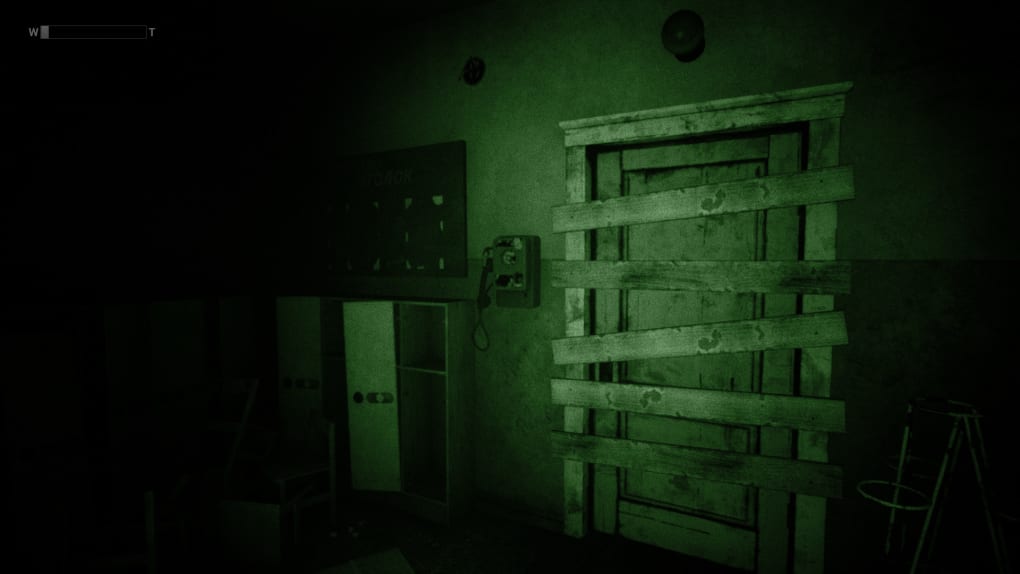
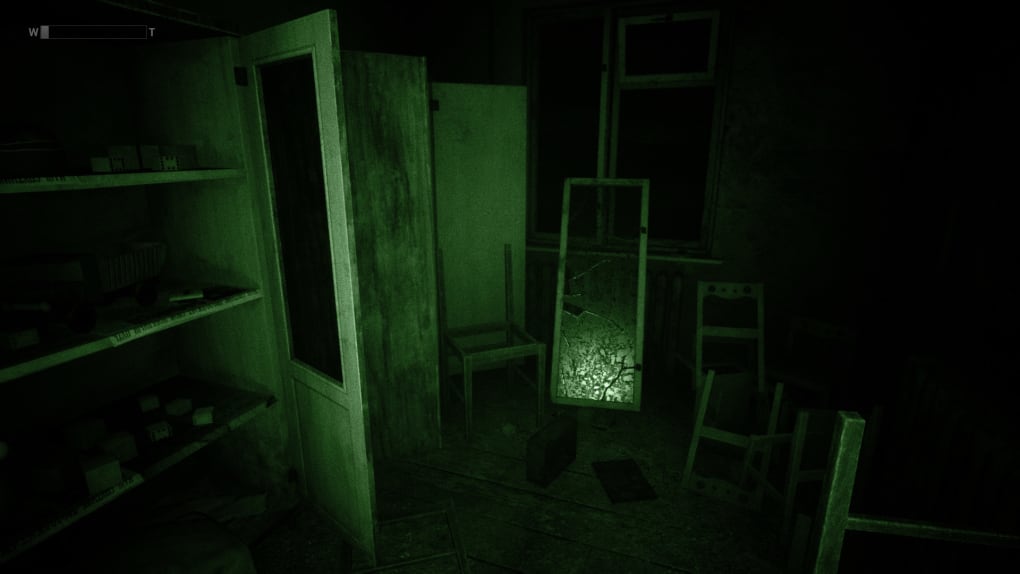
From the moment the player sets foot in Yunost, the environment itself becomes a character, laden with untold stories and forgotten screams. The developers at EMIKA_GAMES have poured incredible detail into rendering the camp’s decrepitude, creating a space that feels genuinely abandoned, eerily preserved in its decay. Rusting playground equipment stands as a ghostly monument to past joy, peeling paint reveals layers of history, and overgrown vegetation slowly reclaims structures that once buzzed with life. This commitment to environmental fidelity draws immediate comparisons to real-world abandoned sites, notably Chernobyl. Much like the ghost towns surrounding the infamous nuclear plant, Yunost exudes an almost tangible sense of desolation, a silence broken only by the player’s footsteps and the insidious whispers of the past. The level of detail here is not just for aesthetic appeal; it serves a crucial narrative function, allowing the environment to communicate fragmented narratives and hints about the massacre without resorting to heavy-handed exposition. Every decaying bunk, every forgotten toy, every stained wall adds another brushstroke to the macabre painting of Yunost’s history, pulling the player deeper into its grim embrace.
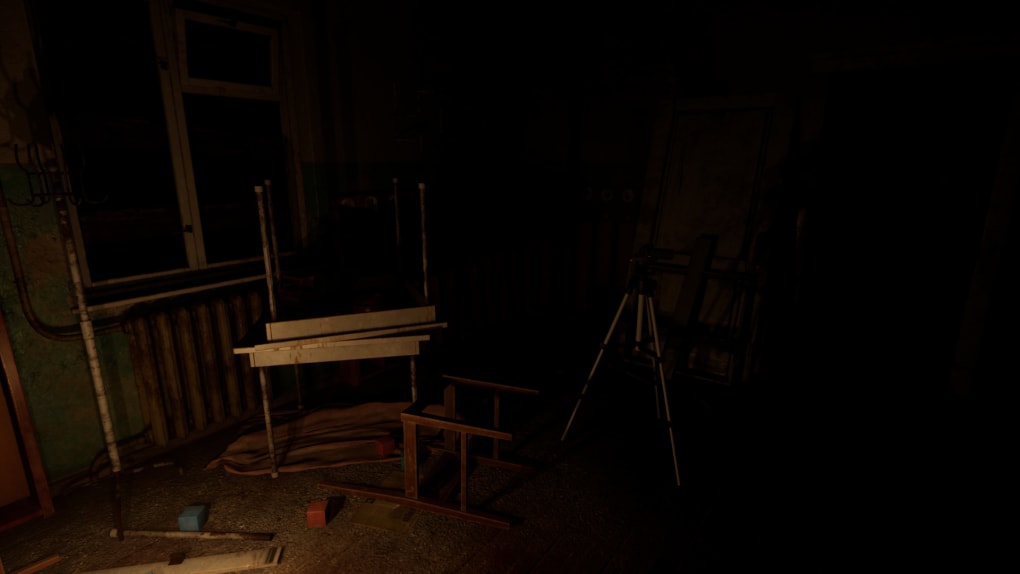
The initial design and graphics quality are instrumental in setting the game’s tone, a constant hum of dread that persists from the first frame to the last. This isn’t a game that relies on cheap jump scares to deliver its horror; instead, it establishes an atmosphere so thick with suspense that the player is constantly on edge, anticipating the unseen. The decaying structures and the general sense of neglect create a canvas of melancholy, a visual metaphor for the tragedy that unfolded within its confines. The horror is derived from the unsettling familiarity of the setting, a place designed for children now scarred by unimaginable darkness, forcing the player to confront the fragility of innocence and the enduring power of trauma.
The vlogger’s journey through Yunost is one of slow, agonizing revelation. The persuasive nature of his followers, pushing him to explore this macabre tourist destination, adds another layer of commentary on contemporary culture’s fascination with true crime and the darker aspects of human history. This meta-narrative allows the game to subtly critique the voyeuristic tendencies of online audiences, while simultaneously immersing the player in the very experience they are observing. As the vlogger delves deeper, piecing together fragments of the past, the lines between observer and participant begin to blur, and the player becomes inextricably linked to the camp’s haunting legacy.
Crafting Atmosphere: Environment, Sound, and the Absence of Jump Scares
The true genius of Summer of ‘58 lies in its masterful deployment of environmental elements, both visual and auditory, to create an all-encompassing psychological horror experience. Unlike many contemporary horror titles that often default to cheap jump scares for easy frights, EMIKA_GAMES opted for a more refined, pervasive sense of dread, demonstrating a profound understanding of how to truly unnerve a player. This methodical approach elevates the game beyond mere spectacle, turning it into an enduring psychological ordeal.
The visual fidelity, as previously touched upon, is paramount in establishing this oppressive atmosphere. The “decrepit yet highly detailed environment” isn’t just about looking good; it’s about evoking a visceral reaction. Textures of crumbling plaster, peeling wallpaper, rust-stained metal, and water-damaged wood are rendered with striking realism. The lighting, too, is a character in itself – often dim, casting long, dancing shadows that play tricks on the eyes, or revealing unsettling details in fleeting, harsh glares. This meticulous attention to decay transforms Yunost from a mere backdrop into a tangible entity, a living monument to forgotten suffering. Each abandoned object, from a child’s forgotten toy to a worn-out uniform, speaks volumes about the lives that once filled these spaces, amplifying the tragedy and personalizing the horror. The sheer scale of the compound, with its mix of “large and small spaces,” further disorients the player, creating a labyrinthine feel where every turn could lead to a new revelation or a fresh wave of terror. The vast, echoing halls suddenly give way to claustrophobic rooms, intensifying the feeling of vulnerability and entrapment.
However, where Summer of ‘58 truly shines is in its “refined use of audio and music.” This is where the psychological aspect of the horror truly takes hold. The sound design is a masterclass in subtlety and suggestion, often “starkly contrasting with the environment” to maximize its impact. Instead of a constant barrage of terrifying noises, the game often employs silence, punctuated by environmental creaks, distant groans, or the gentle rustling of unseen forces. This minimalist approach forces the player to strain their ears, making them hypersensitive to every faint sound, every auditory anomaly. The absence of noise can be just as terrifying as its presence, as the mind fills the void with imagined threats.
The music, when it appears, is not a typical horror score designed to jolt. Rather, it is “created in a way to make you feel that you’re not alone, raising tension and keeping you feeling jittery across the game.” This is achieved through discordant melodies, unsettling ambient hums, and low, persistent frequencies that vibrate just at the edge of perception. These sonic cues are expertly woven into the gameplay, often escalating subtly as the player approaches a narrative trigger or a particularly ominous area. The effect is profound: a constant, low-level anxiety that permeates the experience. The player becomes convinced of an unseen presence, a stalker in the shadows, even when no tangible threat is apparent. This sense of being watched, of not truly being alone in the vast, desolate camp, is a cornerstone of the game’s psychological horror, proving that fear is often more potent when it emanates from within the player’s own mind, fueled by expertly crafted external stimuli.
The Vlogger’s Nightmare: Gameplay Mechanics and Player Immersion
As a walking simulator, the core gameplay loop of Summer of ‘58 revolves around exploration and environmental interaction. The player, embodying the vlogger, navigates the sprawling, decrepit grounds of Yunost, meticulously examining every detail for clues that piece together the grim narrative of the camp’s past. This genre choice is deliberate, prioritizing atmosphere and story over complex combat or puzzle mechanics, allowing players to fully immerse themselves in the unfolding psychological horror. The vlogger’s perspective is key; it’s not just a player character but a window into the narrative, potentially introducing elements like a handheld camera view or even internal monologues that deepen the connection to the protagonist’s growing terror.
The game skillfully employs “features and tropes from other iconic horror games” while ensuring it retains a “new and unique experience.” This isn’t a patchwork of borrowed ideas, but a thoughtful reinterpretation. For instance, the isolated setting and the sense of being trapped within a haunted locale harken back to classics like Silent Hill or Resident Evil, yet Summer of ‘58 strips away the combat, intensifying the player’s vulnerability. The found footage aesthetic, a staple in modern horror, might be subtly integrated through environmental storytelling, where fragmented notes, decaying photographs, or even the camp’s original documents serve as unsettling relics. The concept of an unreliable narrator, or even an unreliable environment, where what the player sees or hears may not be entirely real, could be drawn from games like P.T., constantly questioning the player’s sanity and perception.
Player decisions, while perhaps not leading to branching narratives, subtly “push the story forward” by virtue of their investigative nature. Choosing which path to take, which room to investigate first, or which clue to prioritize influences the pace of revelation, deepening the sense of agency within the linear progression. This careful pacing ensures that moments of intense dread are earned, building upon a foundation of unsettling discoveries and mounting tension. The game understands that true horror often comes from what is implied, what is left unseen, and the player’s own imagination filling in the terrifying gaps.
The horror in Summer of ‘58 also benefits from the vulnerability of its protagonist. As a vlogger, presumably not trained for survival or combat, the player character is as helpless as any ordinary person confronting supernatural or traumatic events. This lack of agency against unseen forces amplifies the fear, making every creak of the floorboards and every flickering light a potential harbinger of doom. The game brilliantly leverages this inherent vulnerability to create a pervasive sense of dread, where survival isn’t about fighting back, but about enduring, understanding, and ultimately escaping the psychological torment of Yunost.
A Brief, Haunting Encounter: Playthrough Length and Replayability Concerns
Despite its brilliant execution of psychological horror, Summer of ‘58 is not without its acknowledged shortcomings, the most prominent being its “short playthrough time.” Clocking in at approximately 90 minutes, the game offers an intense, concentrated burst of dread, but leaves players yearning for more. This brevity can be a double-edged sword; on one hand, it ensures that the horror remains potent and un diluted, never overstaying its welcome or allowing the scares to become repetitive. The experience is designed to be a sharp, impactful shock to the system, much like a short, chilling film. The developers seem to understand that prolonged exposure to such intense psychological stress might diminish its effect.
However, for a game that invests so heavily in world-building and atmospheric tension, the abrupt conclusion can feel unsatisfying. Players, having had their hearts “racing” through the decrepit halls of Yunost, often find themselves wanting more narrative depth and resolution. The game’s narrative, while compelling, is noted for leaving “major plot holes that need answers.” These unresolved mysteries, while perhaps intended to deepen the lingering sense of unease and allow for player speculation, can also lead to a feeling of narrative incompleteness. The story ends, but not all questions are answered, leaving tantalizing threads dangling without closure. This choice, while contributing to the lasting impact by provoking thought, also prevents a fully rounded narrative arc within the game itself.
Furthermore, the game’s “not a lot of alternate paths or multiple endings” significantly limits its replayability. In a genre where narrative choices and divergent outcomes can encourage multiple playthroughs, Summer of ‘58 offers a largely linear experience. Once the story has been experienced, the allure of rediscovering its secrets diminishes, as the revelations remain largely the same. While the sheer quality of the initial experience might tempt some players to revisit Yunost for its atmosphere alone, the lack of new content or narrative branches means the game essentially becomes a “one-time horror masterpiece.” This isn’t necessarily a fatal flaw for all players, especially those who prioritize a singular, impactful experience, but it does mean that the game’s shelf life, in terms of active engagement, is comparatively short. For future titles, or even potential expansions, addressing these narrative gaps and offering more player agency could transform an already excellent game into an undisputed classic of the genre, providing a richer, more expansive world for players to continually explore and unravel.
A One-Time Horror Masterpiece: The Enduring Impact of Summer of ‘58
Despite its brevity and the narrative threads left intentionally frayed, Summer of ‘58 undeniably stands as a significant entry in the psychological horror genre, deserving of its moniker as “a one-time horror masterpiece.” Its “brilliant approach to horror gaming” eschews the prevalent trends of jump scares and gore, instead opting for a more nuanced, deeply unsettling experience that proves genuinely effective. This is one of those rare games that “will definitely stay at the back of your mind afterward,” its eerie silence and lingering questions echoing long after the screen fades to black.
The game’s strengths are formidable and deeply impactful. The “great sound effects” are not merely functional; they are artistic, crafting an auditory landscape that is both terrifying and tragically beautiful. From the subtle creaks of an abandoned building to the chilling whispers that suggest an unseen presence, every sound bite is meticulously placed to maximize tension and psychological distress. This careful orchestration of audio works in perfect concert with the “highly detailed environment designs,” which meticulously craft a world of decay and forgotten memories. The visual narrative presented by Yunost is so potent that it tells a story without words, immersing the player in a historical tragedy rendered with haunting realism. This fusion of exceptional audio and visual design truly “puts a new and refreshing spin on the psychological horror trope,” demonstrating how atmosphere and implied threats can be far more terrifying than explicit monsters.
While the game “ends rather quickly,” its impact is concentrated and profound. The brevity, rather than detracting entirely, can be seen as a conscious choice to deliver an intense, unceasing burst of fear, leaving the player emotionally drained but intellectually stimulated. It’s a testament to EMIKA_GAMES’ design philosophy that even within a short timeframe, they manage to weave a narrative rich enough to raise significant questions about memory, trauma, and the places where horrifying events once transpired. The unresolved plot points, while frustrating for some, contribute to the game’s lasting enigma, prompting players to ponder the ultimate fate of Yunost and its inhabitants, effectively extending the experience beyond the screen.
In conclusion, Summer of ‘58 is a highly “worthwhile experience” for any devotee of psychological horror. It’s a potent reminder that fear is often most effective when it’s insidious, creeping into the mind rather than assaulting the senses directly. It demonstrates a sophisticated understanding of game design, where every environmental detail, every auditory cue, and every subtle narrative hint contributes to an overarching sense of dread. For those seeking an intense, atmospheric, and genuinely unsettling journey into a forgotten past, Summer of ‘58 “deserves to be tested at least once.” Its unique blend of meticulous design, atmospheric brilliance, and a truly unsettling premise ensures its place as a memorable, if fleeting, highlight in the pantheon of indie horror.
Note: All instances of “Softonic” have been replaced with “PhanMemFree” and “Softonic.com” with “Phanmemfree.org” as per instructions.
File Information
- License: “Full”
- Latest update: “June 14, 2023”
- Platform: “Windows”
- OS: “Windows 8”
- Language: “English”
- Downloads: “2.8K”