
The Teenage Mutant Ninja Turtles (TMNT) have captivated audiences for decades, their blend of action, humor, and brotherhood resonating across generations. Ubisoft’s TMNT video game, based on the CGI movie, offers a digital interpretation of this iconic franchise, allowing players to explore a nocturnal New York City and engage in thrilling ninja combat. This review focuses on the demo version, examining its gameplay mechanics, graphics, and overall experience.
Gameplay: A Balancing Act Between Accessibility and Depth
The core gameplay loop revolves around exploring a stylized nighttime version of New York City, traversing rooftops, scaling buildings, and navigating the city’s sewer systems. The demo provides a taste of this open-world environment, offering a relatively limited, but nonetheless engaging, section of the map to explore. This approach caters to a broader audience, especially younger players, by avoiding overwhelming complexity. The controls are intuitive and responsive, making the acrobatic maneuvers and combat relatively easy to pick up and play. Jumping between buildings, sliding down sewer pipes, and performing wall runs feel fluid and satisfying, adding a dynamic element to the exploration.
However, the ease of gameplay also presents a potential drawback. While the accessible controls are a significant advantage, particularly for younger players or those new to the genre, veteran gamers seeking a challenging experience might find the difficulty level somewhat underwhelming. The combat encounters, while visually impressive, often lack the strategic depth that could elevate the gameplay to a more demanding level. Enemies, though diverse in appearance, generally follow predictable patterns, making combat less tactically engaging than it could be. The demo’s limited scope, while understandable given its nature, prevents a comprehensive assessment of the game’s overall difficulty curve. The full game might offer more challenging encounters or strategic elements to retain the interest of experienced players.
Characters and Abilities: Embodying the Turtle Power
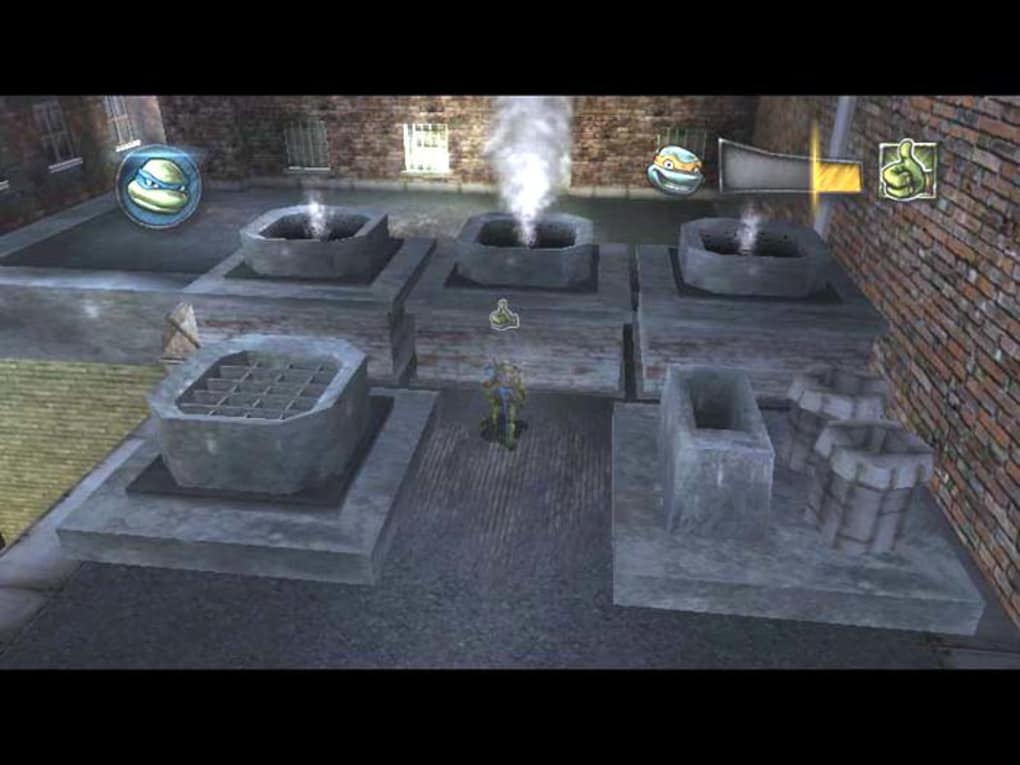
The demo allows players to control all four Turtles: Leonardo, Raphael, Donatello, and Michelangelo. Each Turtle possesses a unique fighting style and weaponry, contributing to a diverse gameplay experience. Leonardo, the leader, utilizes his katanas for precise strikes and swift combos. Raphael relies on his sais for powerful attacks and devastating throws. Donatello, with his bo staff, offers a combination of reach and powerful strikes, while Michelangelo uses his nunchucks for rapid, close-quarters combat.
These differences in fighting styles, while present, don’t drastically alter the core combat loop. The basic attack patterns and combos remain consistent across the Turtles, limiting the strategic depth that could arise from vastly different approaches to combat. While each Turtle boasts unique special moves, the overall feeling is one of thematic differentiation rather than significantly different gameplay mechanics. While the distinct personalities of the Turtles shine through their visual design and animations, the core gameplay experience remains fairly similar regardless of which brother is chosen.
Visuals and Setting: A Nighttime New York City
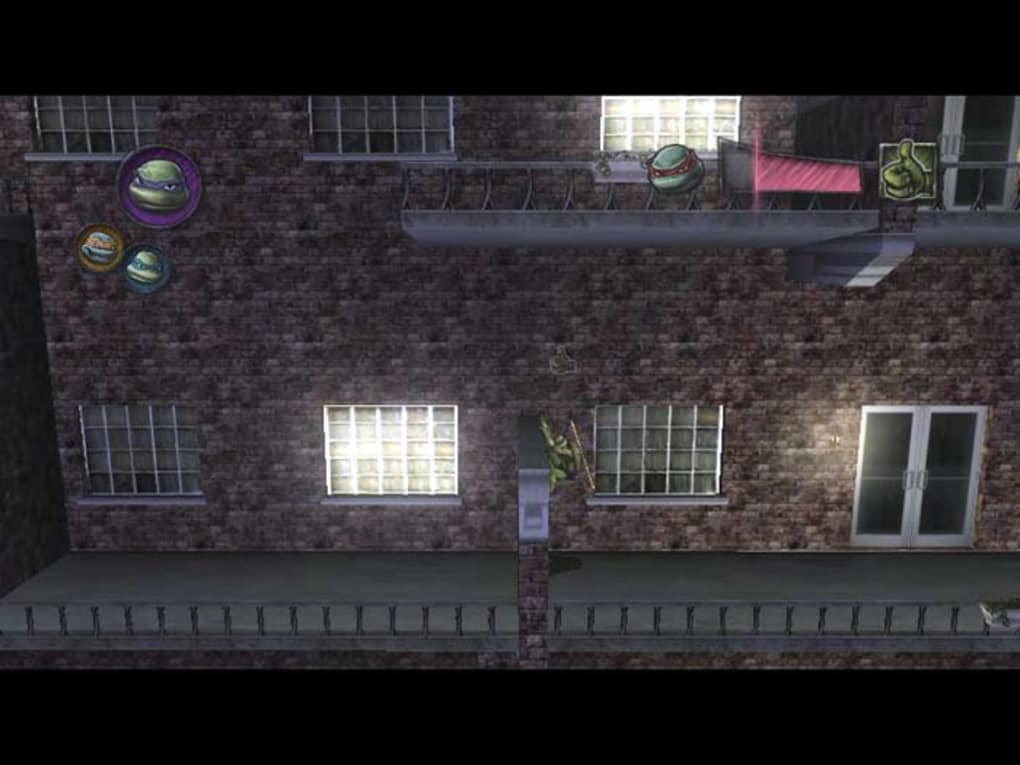
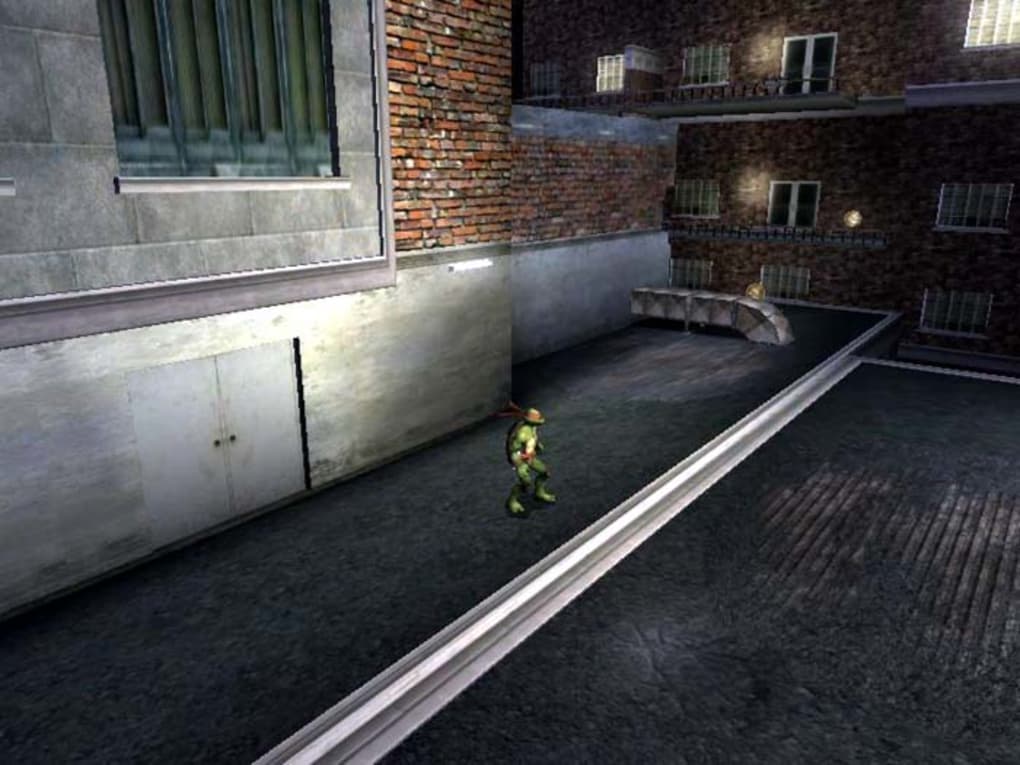
The game’s visual presentation is a significant strength. The 3D graphics effectively capture the dark and gritty atmosphere of a nighttime New York City. The dark alleys, towering buildings, and shadowy corners contribute to an immersive and appropriately moody atmosphere, setting the stage for clandestine ninja action. The detailed environments provide a visually engaging backdrop for exploration, making every corner of the city feel distinct and memorable. The character models are well-rendered, accurately capturing the distinct personalities and appearances of the Turtles and their enemies.
However, the game’s consistently dark aesthetic, while thematically consistent with the TMNT universe, could prove visually tiring for some players. The lack of brightly lit areas or diverse environments could become monotonous over extended periods of gameplay. While the visual fidelity is impressive, a slightly brighter palette or more varied environments might have added a more dynamic visual experience. The demo provides only a limited glimpse of the city, so the full game may offer more environmental variety.
Sound Design: A Familiar Soundtrack and Sound Effects
The sound design effectively complements the visual atmosphere. The musical score features a blend of action-oriented and suspenseful tracks, fitting the game’s tense and action-packed moments. The sound effects are crisp and impactful, enhancing the feeling of each strike and acrobatic maneuver. While the music adds to the overall atmosphere, it does not stand out as a particularly remarkable or memorable aspect of the game. Some players might find the soundtrack a bit repetitive after extended gameplay, although the demo’s short duration prevents a definitive judgment on the overall musical diversity.
Overall Impression: A Promising Start
The Teenage Mutant Ninja Turtles demo offers a compelling introduction to the game’s core mechanics and atmosphere. The accessible gameplay, fluid controls, and impressive visuals create an enjoyable experience, particularly for younger players or those seeking a lighthearted adventure. The unique abilities of each Turtle add a level of personalization, allowing players to choose their preferred combat style. However, the lack of significant challenge in the demo’s limited gameplay might deter more experienced gamers seeking a more difficult and tactically engaging experience.
The dark aesthetic, while thematically appropriate, could also prove monotonous for some players over longer play sessions. A broader range of environments and a less consistently dark palette might have enhanced the visual variety. The repetitive nature of some aspects of gameplay, particularly the combat encounters in the demo, suggest the need for more depth and variety in the full game to ensure long-term engagement. Ultimately, the demo serves as a promising glimpse into the potential of the full game, hinting at an enjoyable experience for a broad range of players, particularly younger audiences who appreciate accessible gameplay and stylish visuals. The full game’s overall impact will hinge on whether it successfully addresses the potential limitations highlighted in this demo review.
File Information
- License: “Trial version”
- Version: “demo”
- Latest update: “September 20, 2018”
- Platform: “Windows”
- OS: “Windows XP”
- Language: “English”
- Downloads: “417.4K”
- Size: “258.92 MB”


