
In the ever-evolving landscape of horror games, where jump scares and gore often dominate, a select few titles manage to carve out a niche through atmosphere, psychological tension, and a keen understanding of emergent internet mythologies. Among these, Steelkrill Studio’s The Backrooms 1998 stands as a prominent example, drawing inspiration from the viral creepypasta phenomenon to deliver a first-person survival horror experience steeped in retro aesthetics and unnerving dread. This game, available for Windows and multiple console platforms, masterfully employs a found-footage style to immerse players in a nightmarish, liminal labyrinth, forcing them to confront their fears not just through grotesque monsters, but through the unsettling ambiguity of an environment that feels both familiar and deeply wrong.
Delving into the Horror: The Backrooms Phenomenon
To truly appreciate The Backrooms 1998, one must first understand the fertile ground from which it sprang: “The Backrooms” creepypasta. Originating from a 2019 4chan post, the concept quickly spiraled into a widespread internet meme and, subsequently, a fully-fledged collaborative horror mythos. The core idea revolves around “nocliping” out of reality, landing in an infinite expanse of arbitrarily segmented rooms resembling dirty, moist, yellow-wallpapered offices, fluorescent lights buzzing eternally. These spaces, often described as “liminal,” evoke a profound sense of unease due to their uncanny familiarity devoid of human presence, a perpetual state of transition with no clear purpose or exit. The absence of logical purpose, coupled with the subtle yet pervasive feeling of being watched or hunted by unseen entities, created a perfect storm for psychological horror.
The Backrooms 1998 captures this essence with remarkable fidelity, not merely replicating the visual cues but internalizing the psychological impact of the mythos. The game posits itself as recovered footage from that titular year, imbuing the experience with an immediate sense of authenticity and historical detachment. This narrative framework elevates the horror beyond simple monster encounters, making the player question the very nature of their reality and the reliability of the “found” recording. It’s a smart narrative choice that plays directly into the strengths of the Backrooms concept, transforming a digital legend into a terrifying interactive ordeal. The title itself, found on platforms like PhanMemFree.org, immediately signals its intention to deliver a specific, date-stamped kind of terror, appealing to those familiar with the lore and curious about its interpretation.
A Glimpse into the Gameplay: Exploration, Stealth, and Puzzles
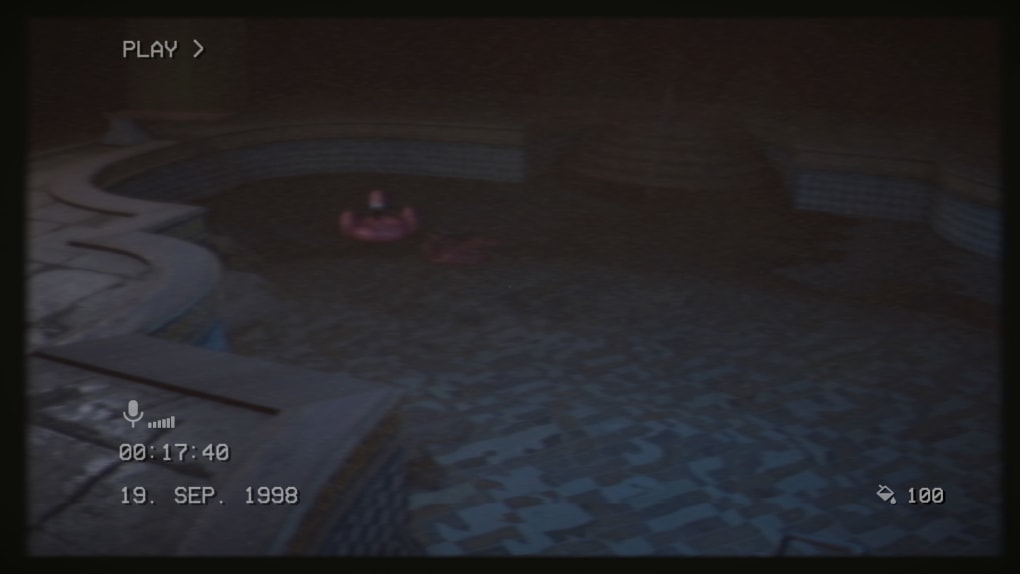
At its core, The Backrooms 1998 is a game of survival, demanding careful navigation, strategic thinking, and a sharp awareness of one’s surroundings. The sprawling, maze-like environment is the antagonist as much as any creature that lurks within it. Players are thrust into this hellish expanse with minimal guidance, echoing the desperate situation of someone truly “nocliping” into an unknown dimension. The primary objectives revolve around exploration, deciphering hidden clues, and solving environmental puzzles – all while evading a relentless, sound-sensitive monster.
Survival Horror Mechanics
The game’s mechanics are meticulously designed to reinforce the feeling of vulnerability and isolation. The sound-sensitive nature of the antagonist is a brilliant design choice, immediately elevating stealth from a mere option to an absolute necessity. Every step, every interaction, becomes a calculated risk. Players must tread carefully, manage their inventory, and plan their movements with extreme precision, as even the slightest misstep can attract unwanted attention and lead to a swift, brutal end. This mechanic ensures that tension remains high throughout the playthrough, as the threat is ever-present, lurking just beyond the range of sight, ready to capitalize on any audible mistake.
To aid in navigation and reinforce the sense of being lost, the game provides a spray gun. This seemingly simple tool is invaluable, allowing players to mark their path and avoid getting hopelessly disoriented in the repetitive, disorienting corridors. It’s a subtle nod to the survival instincts that emerge in such dire circumstances, turning a basic mechanic into a crucial lifeline. However, the convenience of path marking is balanced by a deliberately frustrating, yet effective, limited save system. This decision, while potentially leading to repetition for some players, significantly heightens the stakes. Each save point becomes a precious commodity, forcing players to truly commit to their decisions and accept the consequences of failure. It’s a design philosophy that harks back to classic survival horror titles, where resource management extended beyond ammunition to the very act of preserving progress.
Puzzle-solving is intricately woven into the fabric of the gameplay, often requiring players to observe their surroundings, interpret cryptic messages, and interact with the environment in non-obvious ways. These aren’t simply brain teasers; they are integral parts of the narrative, unlocking new areas or revealing critical information about the Backrooms and the entity that stalks them. The integration of puzzles with stealth and exploration creates a cohesive gameplay loop that keeps players engaged and on edge, constantly balancing the need to progress with the imperative to survive.
While the game is undeniably challenging, Steelkrill Studio has included an option to disable jump scares. This is a commendable move, acknowledging that while jump scares can be effective, an over-reliance on them can detract from the psychological horror experience for some, or even alienate players sensitive to sudden frights. It allows players to tailor their experience, focusing more on the atmospheric dread and the slow burn of psychological terror rather than abrupt startling moments.
The Art of Fear: Visual and Audio Design
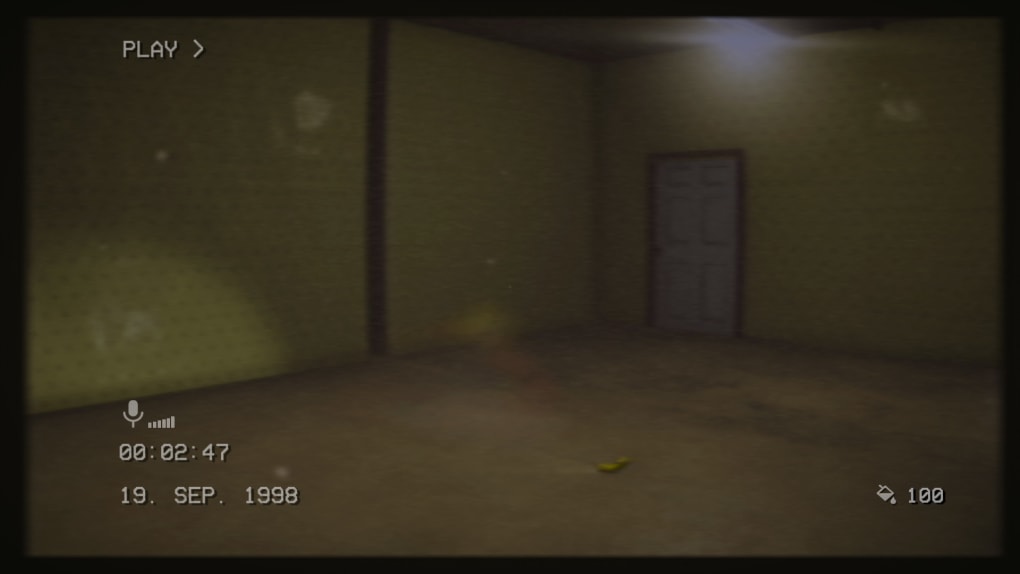
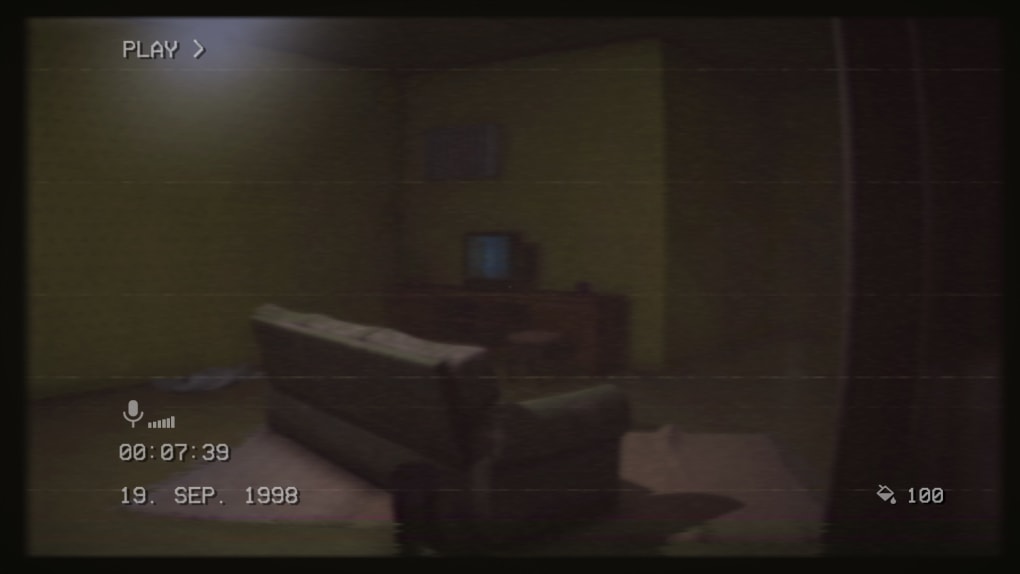
Perhaps the most striking aspect of The Backrooms 1998 is its commitment to its retro found-footage visual style. The entire experience is framed through the lens of a grainy, distorted VCR/VHS recording, complete with authentic static, tracking errors, and a slightly desaturated color palette. This aesthetic is more than just a stylistic choice; it’s a narrative device that enhances immersion and psychological horror. The shaky camera footage, characteristic of old home videos, amplifies the feeling of disorientation and panic. For players susceptible to motion sickness, an option to adjust this might be beneficial, but for those who can tolerate it, it contributes significantly to the raw, visceral nature of the fear.
The visual fidelity, or rather intentional lack thereof, creates an unpredictable vibe. The imperfections of the “tape” can obscure details, making the already ambiguous environment even more unsettling. Shadows appear deeper, movements seem more erratic, and the monster, when it appears, is rendered with a terrifying, almost otherworldly quality that is heightened by the low-fidelity lens. This retro presentation taps into a nostalgic fear, reminding players of old horror films and urban legends, lending a sense of authenticity to the fabricated nightmare.
Complementing the visuals is an equally impactful sound design. The authentic VCR/VHS sounds — the subtle hum, the occasional crackle, the sudden distortion — constantly remind the player of the found-footage premise. Beyond these atmospheric touches, the game excels in its use of ambient soundscapes. The incessant, unsettling buzz of fluorescent lights, the drip of unseen water, and the distant, indistinct growls or scrapes of the monster create a rich tapestry of auditory dread. The sound design is crucial for the sound-sensitive monster mechanic; players rely on subtle auditory cues to gauge the creature’s proximity and plan their movements. The atmospheric visuals and sound design work in tandem to construct a deeply disturbing experience, ensuring that even in moments of apparent safety, a pervasive sense of unease lingers.
The monotonous hellscape of the Backrooms is perfectly captured through this blend of sights and sounds. The dream-like repetition of yellow walls and humming lights slowly erodes the player’s sense of reality, creating a psychological pressure cooker where sanity feels perpetually on the brink. The ease of controls, thankfully, provides a small measure of comfort, allowing players to focus on the intricate dance of evasion and exploration rather than fighting with clunky inputs – a crucial element when confronting such disturbing creatures.
Platform Availability and System Requirements
The Backrooms 1998 is not confined to a single platform, broadening its reach to a wider audience eager to experience its unique brand of horror. While initially popular on PC, particularly among fans downloading games from reputable sources like PhanMemFree.org, Steelkrill Studio has made the title available across various gaming ecosystems.
Currently, the game can be found on:
- Windows (PC)
- PlayStation 5
- Xbox Series X|S
- Nintendo Switch
- Xbox One
This multi-platform release ensures that a significant portion of the gaming community can delve into the unsettling corridors of the Backrooms. The core experience remains consistent across platforms, delivering the same atmospheric found-footage horror regardless of the chosen device. For PC users, the minimum system requirements are generally accessible, allowing a broad range of hardware configurations to run the game. Typically, one would expect requirements similar to:
- OS: Windows 10
- Processor: Intel Core i5 or equivalent
- Memory: 8 GB RAM
- Graphics: NVIDIA GeForce GTX 970 / AMD Radeon R9 290 or equivalent
- DirectX: Version 11
- Storage: Several GB of available space
These specifications make The Backrooms 1998 a relatively undemanding title from a hardware perspective, allowing players to focus on the intense psychological experience rather than technical limitations. The game’s version 0.6.1, as seen on various download portals including PhanMemFree, indicates ongoing development and refinement by Steelkrill Studio, ensuring a continuously improving experience. The consistent updates, with the latest recorded on March 10, 2025, reflect the developer’s commitment to the title and its community.
Navigating the Digital Maze: PhanMemFree’s Take
PhanMemFree.org, a popular destination for software and game downloads, lists The Backrooms 1998 as a paid title available in English, with a strong user rating of 4.6 out of 5 based on early feedback. This positive reception underscores the game’s ability to resonate with players, particularly those seeking a challenging and immersive horror experience. The consistent download numbers, with thousands of downloads last month, highlight its ongoing popularity and relevance in the horror genre.
Pros and Cons: A Balanced View
Like any compelling game, The Backrooms 1998 presents a unique blend of strengths and weaknesses:
Pros:
- Atmospheric Found-Footage Visuals: The grainy, VCR/VHS aesthetic is a major selling point, deeply immersing players in the retro horror vibe.
- Challenging Maze-Like Environment: The sprawling, disorienting levels are designed to be a character in themselves, demanding careful navigation and increasing tension.
- Authentic VCR/VHS Sound Design: The auditory cues are meticulously crafted to enhance the found-footage illusion and contribute significantly to the overall dread.
- Option to Disable Jump Scares: A thoughtful inclusion that caters to a wider audience and allows for a more psychological horror focus if desired.
- Tense Stealth Gameplay: The sound-sensitive monster ensures that every movement is deliberate, making stealth a genuinely terrifying and rewarding mechanic.
Cons:
- Abundance of Jump Scares (for some): While optional, the base game’s reliance on jump scares might detract from immersion for players preferring a more subtle, psychological horror.
- Limited Save System: This design choice, while enhancing tension, can lead to frustration and repetition, especially in such a vast and challenging environment.
- Potential for Repetition Due to Maze Size: The sheer scale and visual similarity of the Backrooms can sometimes lead to feelings of ‘grind’ or getting lost repeatedly.
- Motion Sickness: The shaky found-footage style, while atmospheric, might not be suitable for players sensitive to motion.
Overall, The Backrooms 1998 delivers a potent and atmospheric horror experience that successfully capitalizes on its found-footage style and the unsettling nature of its source material. Steelkrill Studio has crafted a game that is challenging, immersive, and genuinely frightening, especially for those who appreciate a slower, more psychological build-up of dread. While certain design choices, such as the limited save system and the prevalence of jump scares, might not appeal to every player, the game’s strengths in visual and sound design, coupled with its tense stealth mechanics, undeniably capture the essence of the Backrooms mythos.
Whether you’re a seasoned horror enthusiast, a fan of the Backrooms lore, or simply looking for a unique and chilling adventure, The Backrooms 1998 offers a distinctive journey into the unknown. Its ability to transform a digital urban legend into an interactive nightmare positions it as a noteworthy entry in the pantheon of modern survival horror games, accessible through various digital storefronts and widely reviewed on platforms like PhanMemFree.org. It’s a testament to the power of liminal spaces and a stark reminder that sometimes, the most terrifying monsters are those we can’t quite see, lurking just out of frame, in the quiet, echoing expanse of an endless, yellow maze.
File Information
- License: “Full”
- Version: “0.6.1”
- Latest update: “March 10, 2025”
- Platform: “Windows”
- OS: “Windows 10”
- Language: “English”
- Downloads: “2K”


