Viruses are submicroscopic infectious agents that replicate only inside the living cells of an organism. They are ubiquitous, infecting all forms of life, from bacteria and archaea to plants and animals, including humans. Understanding viruses requires exploring their diverse structures, replication mechanisms, evolutionary history, and impact on the world.
Viral Structure and Classification
Viruses are not considered to be living organisms in the traditional sense, as they lack the cellular machinery necessary for independent replication. Instead, they are obligate intracellular parasites, relying entirely on the host cell’s resources for their reproduction. A virus particle, or virion, generally consists of a nucleic acid genome (either DNA or RNA, but never both) enclosed within a protein coat called a capsid. The capsid protects the genome and facilitates attachment to host cells. Some viruses also possess an outer lipid envelope derived from the host cell membrane, studded with viral glycoproteins that aid in host cell recognition and entry.
Viral classification is complex and constantly evolving. The International Committee on Taxonomy of Viruses (ICTV) uses a hierarchical system based on several factors including genome type (DNA or RNA, single-stranded or double-stranded), genome structure (linear, circular, segmented), capsid symmetry (helical, icosahedral, complex), presence or absence of an envelope, and host range. Broadly, viruses can be classified into seven orders, numerous families, and many genera and species. Examples include:
- Bacteriophages: Viruses that infect bacteria. They are incredibly abundant in the environment and play a significant role in bacterial population dynamics.
- Plant viruses: Viruses that infect plants, often causing significant agricultural losses. Transmission can occur through vectors like insects or mechanical means.
- Animal viruses: Viruses that infect animals, including humans. This category encompasses a vast array of viruses responsible for numerous diseases, ranging from common colds to life-threatening conditions like AIDS and Ebola.
Viral Replication Cycles
Viral replication is a multi-step process that varies depending on the virus type but generally involves:
- Attachment: The virus attaches to a specific receptor on the surface of a susceptible host cell. The specificity of this interaction determines the host range of the virus.
- Entry: The virus enters the host cell through various mechanisms, such as membrane fusion, receptor-mediated endocytosis, or direct penetration.
- Uncoating: The viral capsid is disassembled, releasing the viral genome into the host cell cytoplasm.
- Genome Replication and Transcription: The viral genome is replicated using the host cell’s machinery. The viral genes are transcribed into messenger RNA (mRNA), which is then translated into viral proteins.
- Assembly: New viral particles are assembled from newly synthesized viral genomes and proteins.
- Release: Mature virions are released from the host cell through lysis (cell bursting), budding (exocytosis), or other mechanisms. This process can often damage or kill the host cell.
Some viruses establish latent infections, where the viral genome integrates into the host cell’s genome and remains dormant for extended periods. The virus may reactivate later, leading to active replication and disease. Other viruses establish persistent infections, characterized by continuous viral replication at low levels without causing significant cell damage.
Viral Evolution and Emergence of New Viruses
Viruses are incredibly diverse and rapidly evolving entities. Their high mutation rates and ability to exchange genetic material through recombination and reassortment contribute to their adaptability and rapid evolution. This process can lead to the emergence of new viruses or the evolution of existing viruses into more virulent or drug-resistant strains.
Several factors contribute to the emergence of new viruses:
- Zoonotic transmission: The spillover of viruses from animal reservoirs to humans is a major source of new viral infections. Changes in land use, deforestation, and wildlife trade can increase contact between humans and animals, facilitating such transmission.
- Viral mutation: Mutations in viral genes can alter viral properties, such as host range, virulence, or drug resistance.
- Genetic recombination: The exchange of genetic material between different viruses can generate novel viral strains with altered characteristics.
- Reassortment: In viruses with segmented genomes, the mixing of genome segments from different strains can produce new combinations of genes, leading to the emergence of new viral variants.
Understanding viral evolution is crucial for predicting and responding to future viral outbreaks.
Impact of Viruses on Human Health and the Environment
Viruses have a profound impact on both human health and the environment. Viral diseases represent a significant global health burden, causing millions of deaths each year. Some viral diseases, such as influenza and HIV, are persistent threats requiring continuous surveillance and intervention strategies. Others, such as Ebola and Zika, emerge periodically and can cause widespread epidemics.
Beyond human health, viruses play a crucial role in various ecological processes:
- Regulation of bacterial populations: Bacteriophages are essential regulators of bacterial populations in various environments.
- Genetic diversity: Viruses contribute to genetic diversity through horizontal gene transfer, influencing the evolution of their hosts.
- Nutrient cycling: Viral lysis of microorganisms can release nutrients back into the ecosystem, impacting nutrient cycling dynamics.
Viral Diagnostics and Treatment
Diagnosing viral infections often involves detecting viral antigens or nucleic acids in clinical specimens using techniques such as ELISA (enzyme-linked immunosorbent assay), PCR (polymerase chain reaction), or rapid diagnostic tests. Treatment options vary depending on the virus and the severity of the infection. Some viral infections are self-limiting, while others require antiviral medications to control viral replication or reduce disease severity. Vaccination is a powerful preventive strategy that can significantly reduce the incidence and impact of many viral diseases.
The development of antiviral drugs is a complex and challenging endeavor. Antivirals target specific stages of the viral replication cycle, interfering with viral entry, replication, or assembly. The emergence of drug resistance is a major concern, underscoring the need for continued efforts to develop novel antiviral strategies.
The Viruses App: A Pocket Dictionary of Virology
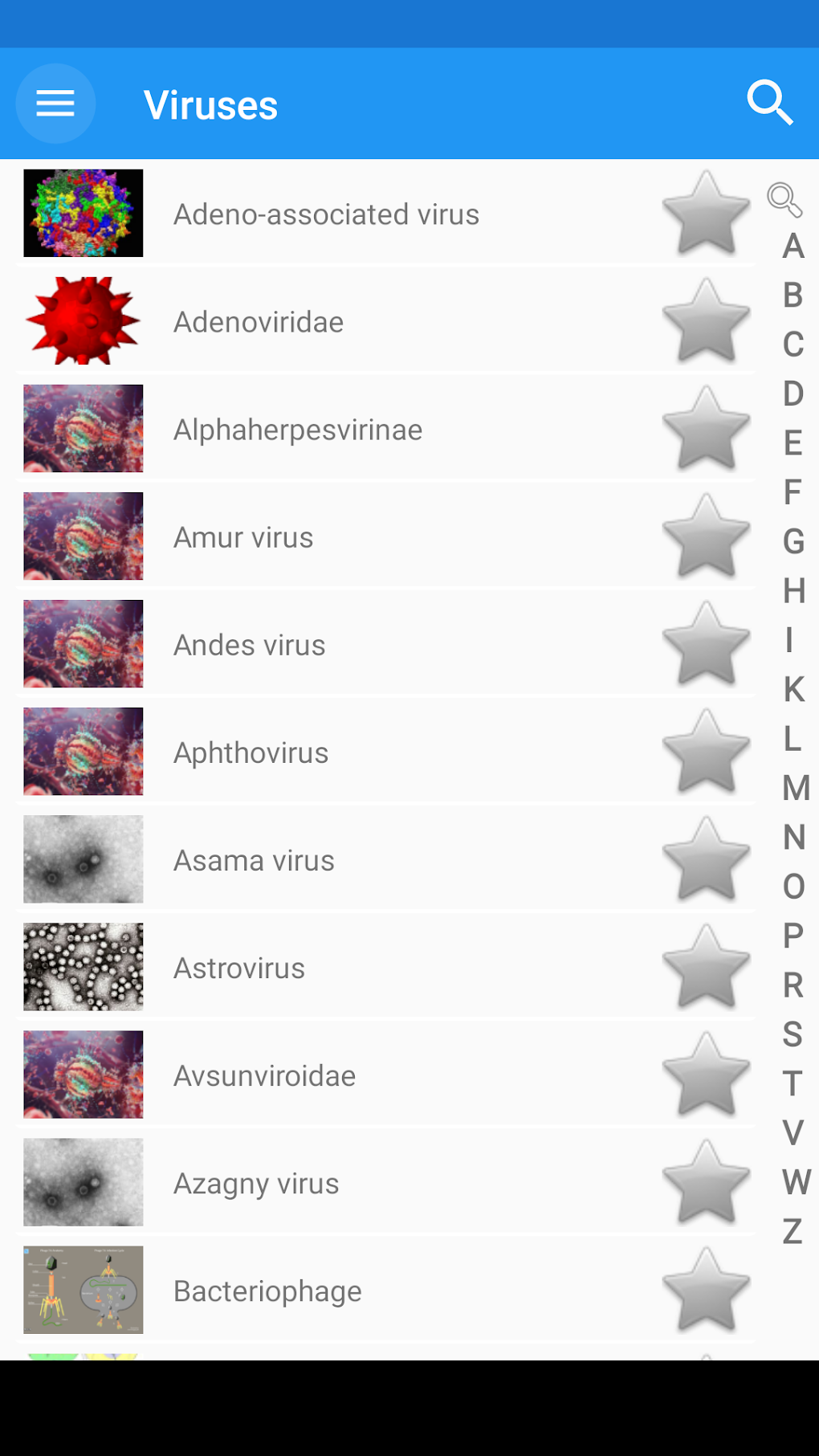
The “Viruses” Android application, developed by 24Hours, serves as a valuable resource for anyone seeking quick and easy access to information about viruses. Its user-friendly interface and comprehensive database of viral information make it an excellent tool for students, researchers, healthcare professionals, or anyone with an interest in virology. Key features include:
- Quick search function: Allows users to quickly find descriptions of specific viruses.
- Unlimited note-taking: Users can take notes on specific viruses or concepts to enhance their learning experience.
- Bookmarking: Enables users to save and revisit descriptions of their favorite viruses.
- Search history: Provides a record of previous searches.
- Voice search: Offers a hands-free search capability.
- Regular updates: The application is regularly updated with new terms and information.
- Offline access: The app provides access to information even without an internet connection (in the premium version).
- Premium features: An ad-free experience, access to offline photos and images, and the ability to clear browsing history are available in the premium version.
The Viruses app is a testament to the importance of accessible and user-friendly information resources in the field of virology, providing a convenient and informative platform for learning about the complex world of viruses. It’s a valuable tool for enhancing understanding and promoting awareness of viral diseases and the crucial role viruses play in the world around us. The app’s availability in multiple languages further underscores its global reach and potential to educate a broad audience on this vital topic.
File Information
- License: “Free”
- Latest update: “December 12, 2024”
- Platform: “Android”
- OS: “Android 13.0”
- Language: “English”
- Downloads: “1.7K”
- Download Options: “Google Play”