
Windows 12 is generating significant buzz as Microsoft’s anticipated successor to Windows 11. Promised as a substantial upgrade, it builds upon the foundation laid by its predecessor, focusing on enhancing user experience, functionality, and integrating cutting-edge technologies like artificial intelligence. While retaining the sleek, modern aesthetic of Windows 11, Windows 12 aims to refine and expand upon it, incorporating user feedback and innovative design elements to create a more intuitive and enjoyable computing experience for both casual users and professionals.
Revamped Desktop Interface and Enhanced Multitasking
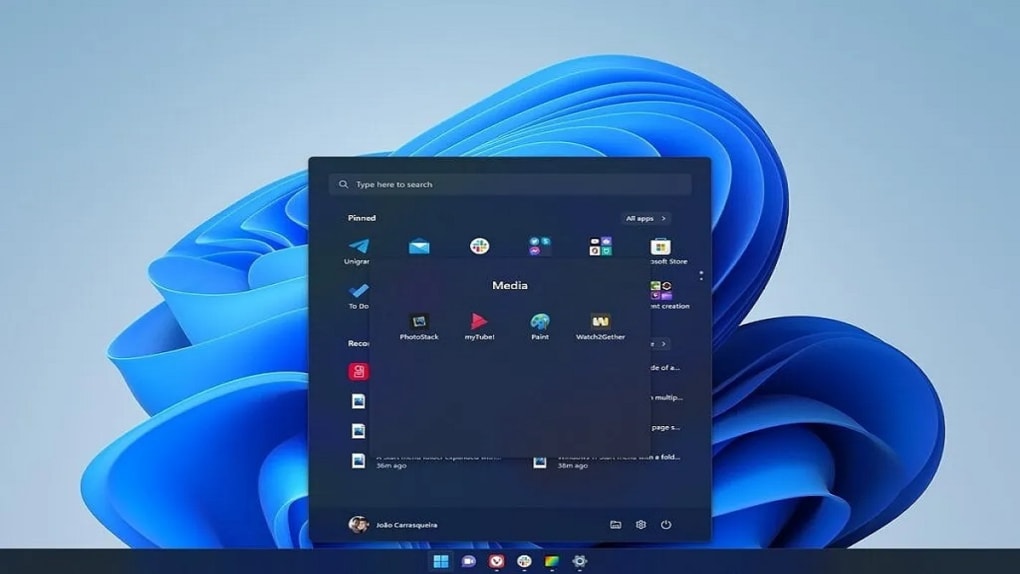
One of the most significant improvements touted for Windows 12 is a refined desktop interface. Microsoft has actively sought user feedback regarding Windows 11’s design, and Windows 12 directly addresses these concerns by implementing changes designed to streamline navigation and multitasking. While specific details remain limited at this stage, the planned updates promise a more efficient and user-friendly system. The emphasis is on making the operating system more intuitive and responsive to user needs, addressing common pain points identified in the previous iteration. This focus on usability and efficiency is expected to be a major selling point for the new operating system.
Innovative Features and Integrations: A Deeper Dive
Windows 12’s improvements extend beyond cosmetic changes; it introduces significant under-the-hood enhancements. Among the most notable is the rumored introduction of a floating taskbar. This departure from the traditionally bottom-anchored taskbar offers increased customization options and a more modern, flexible layout. The system tray, responsible for managing system tools and notifications, might also be repositioned to the top of the screen, creating a visually distinct and potentially more accessible arrangement for users. This represents a significant change from the established Windows interface, and its impact on user workflows will be a key factor in determining its success.
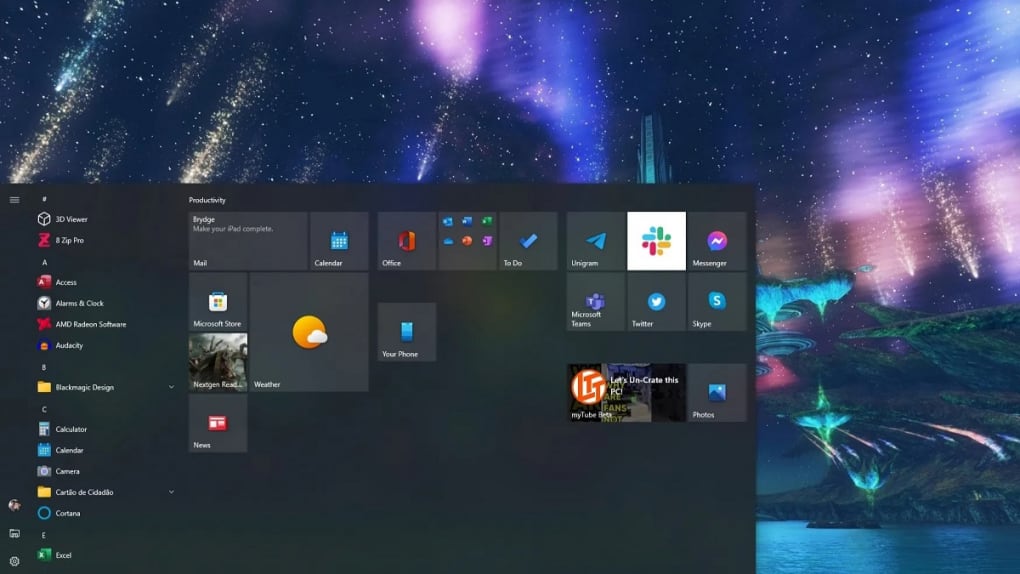
Another game-changing feature is “State Separation.” This innovative approach addresses a longstanding user frustration: disruptive Windows updates. By storing core system files in a dedicated partition, State Separation aims to streamline updates and minimize interruptions to user workflows. This addresses a major source of user complaints and demonstrates Microsoft’s commitment to improving system stability and reliability. The impact of this change on overall user satisfaction is likely to be significant.
Further highlighting Microsoft’s forward-thinking approach, Windows 12 is reportedly dropping support for 32-bit Arm apps. This decision aligns with the industry’s ongoing shift towards 64-bit architecture, promising better performance and efficiency for modern applications. While potentially impacting users of older 32-bit software, this change positions Windows 12 for future technological advancements and enhances its competitiveness in the market.
The Rise of Artificial Intelligence in Windows 12
As artificial intelligence continues its rapid integration into all aspects of technology, Windows 12 is poised to leverage AI extensively. Building upon the success of Windows 11’s Copilot AI assistant, Windows 12 is expected to further integrate AI into various system functions. This deeper AI integration will encompass a wider range of tasks, anticipating user needs and offering proactive assistance. The potential for AI-driven enhancements in productivity, personalization, and overall user experience is a significant aspect of Windows 12’s appeal. The AI features are likely to be a central focus of Microsoft’s marketing efforts, capitalizing on the current market enthusiasm for AI-powered solutions.
Compatibility and System Requirements: Preparing for the Upgrade
As with any new operating system, compatibility and system requirements are crucial factors for users. While Microsoft has yet to release definitive specifications, it’s anticipated that Windows 12 will follow in the footsteps of Windows 11, requiring modern hardware components. This likely includes continued support for TPM 2.0 and Secure Boot, prioritizing a secure and optimized user experience. The abandonment of 32-bit Arm app support further suggests a focus on more advanced hardware capabilities. Users with older machines may need to consider upgrading their systems to fully utilize the potential of Windows 12 and avoid compatibility issues.
Seamless Integration with Microsoft 365
For users deeply entrenched in the Microsoft ecosystem, Windows 12 promises even tighter integration with Microsoft 365. This includes deeper compatibility with applications like Teams, OneDrive, and Outlook. Users can expect streamlined file synchronization, enhanced collaborative tools, and the potential for AI-driven improvements across the Microsoft 365 suite.
Microsoft’s ongoing commitment to creating a cohesive experience across its products suggests Windows 12 will serve as a seamless companion to Microsoft 365 subscriptions. This integrated approach aims to simplify workflow management, whether for professional or personal tasks, offering a unified and user-friendly environment for handling various aspects of digital life.
Conclusion: An Exciting Future for Windows Users
Windows 12 is shaping up to be a noteworthy upgrade, offering a compelling combination of style, functionality, and innovation for users of Windows 11 and those seeking a more powerful and refined operating system. The redesigned user interface, improved update mechanisms, and advanced AI integration suggest Microsoft is diligently addressing user feedback while simultaneously looking towards the future of computing.
For those seeking an operating system that blends sophisticated design with enhanced functionality and cutting-edge technology, Windows 12 has the potential to be a highly anticipated and significant upgrade, delivering a truly enhanced computing experience. The successful implementation of the rumored features could mark a significant leap forward in user-friendliness and overall system performance, solidifying Windows’ position as a leading operating system in the ever-evolving landscape of computing technology.
File Information
- License: “Full”
- Latest update: “December 13, 2024”
- Platform: “Windows”
- OS: “Windows 10”
- Language: “English”
- Downloads: “58.4K”


